
Laundry pods, liquid detergent, and powder detergent each hold their ground in 2026 across manufacturing lines, channel dynamics, and real-world wash outcomes. Compiled findings from Consumer Reports 2026 evaluations and Wirecutter 2026 reviews indicate that leading liquids and pods typically secure higher comprehensive stain-removal figures than the majority of powders on body oil, routine dirt, grass marks, and mixed household soils—particularly under hard-water scenarios or deliberate cold cycles. Powders demonstrate consistent strengths on select heavy-duty soils including blood and certain embedded particulates. Format choices remain rooted in operational details: average load throughput, dominant stain categories, high-efficiency machine penetration in target areas, freight container and pallet configurations, regional water hardness patterns, and whether supply chains prioritize dosing reliability over the bare minimum per-load cost.
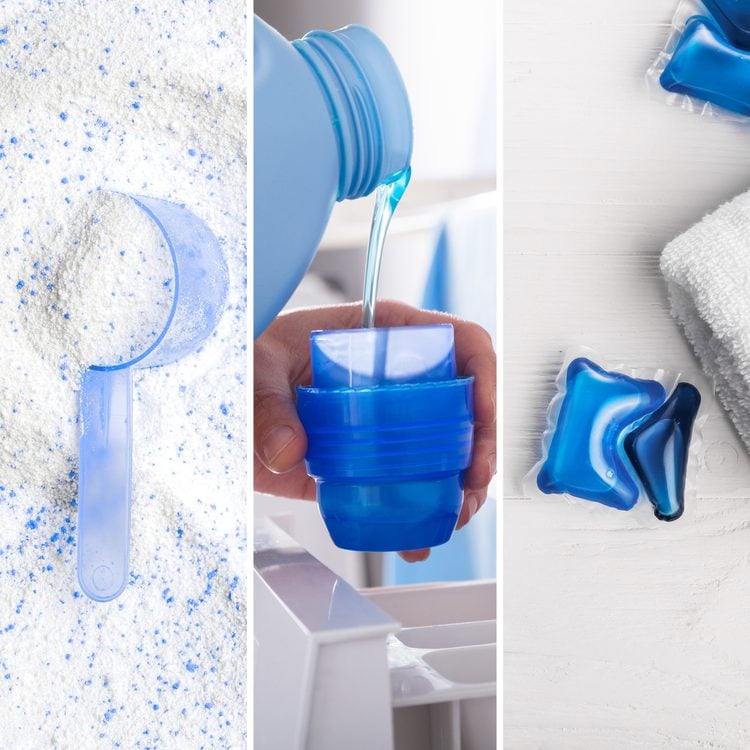
Quick Comparison: Laundry Pods, Liquid, and Powder in 2026
Aggregated metrics from 2026 testing protocols outline the variances that regularly guide supplier engagements, production scheduling, and inventory strategies.
| Feature | Laundry Pods | Liquid Detergent | Powder Detergent | 2026 Edge (Based on Tests) |
| Convenience & Dosing | Sealed fixed capsules sidestep measuring variability and residue concerns | Cup application risks spills and dose inconsistency | Scoop method produces dust and potential clumping | Pods |
| General Stain Removal | Reliable handling of body oil, dirt, grass in standard cycles | Pretreat superiority on grease, makeup, food-derived residues | Steady results on dirt, blood, odor-heavy loads | Liquid / Pods |
| Cold Water Performance | Consistent film breakdown and enzyme activation at lower temps | Surfactants penetrate effectively across temperature ranges | Dissolution often partial in sub-30 °C fills | Pods / Liquid |
| Cost per Load | $0.25–0.45 range | $0.15–0.30 range | $0.10–0.20 range | Powder |
| Eco-Friendliness | Biodegradable film options continue to evolve | Concentrated variants reduce plastic substantially | Minimal packaging material consumption | Improving pods |
| Best Suited For | HE-machine-saturated markets, export containers | Pretreatment-intensive soil profiles | Bulk-value, margin-constrained territories | Situational |
Consumer Reports 2026 ratings and Wirecutter 2026 assessments position top pods and liquids ahead in aggregate cleaning measures, while powders preserve viable roles in targeted applications.
Laundry Pods in 2026: Convenience and Concentration Drive Adoption
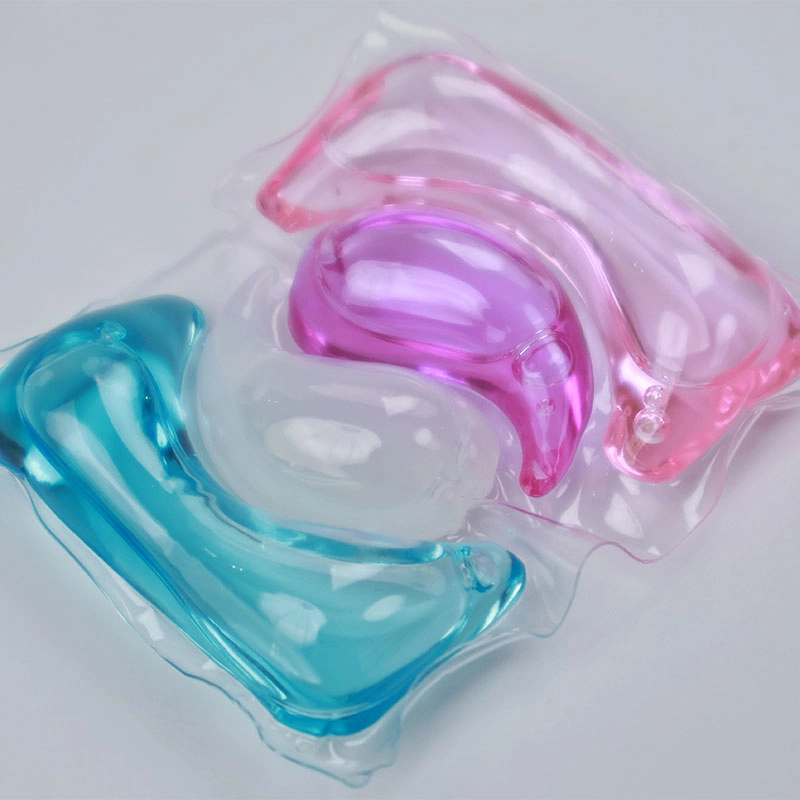
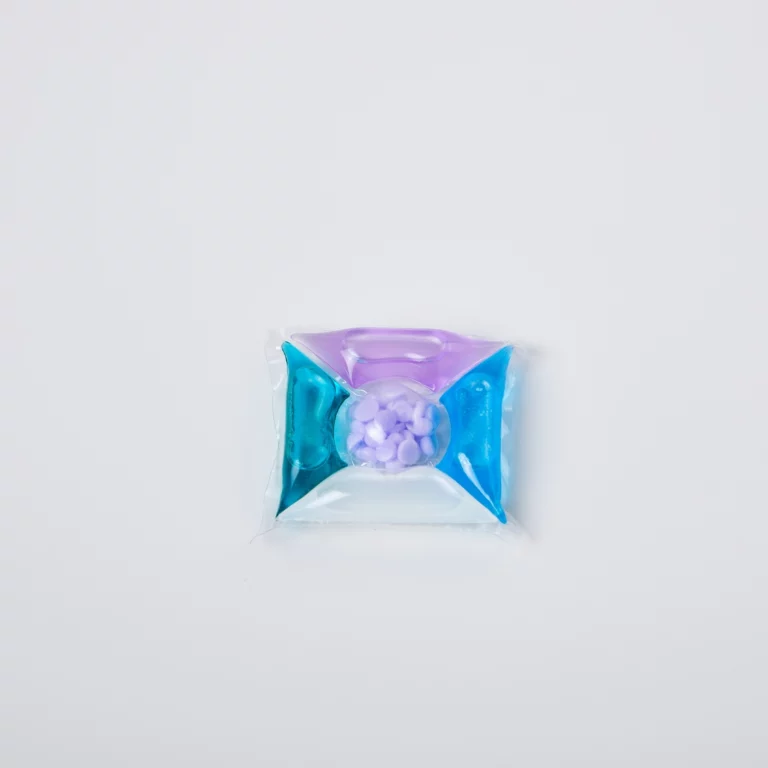
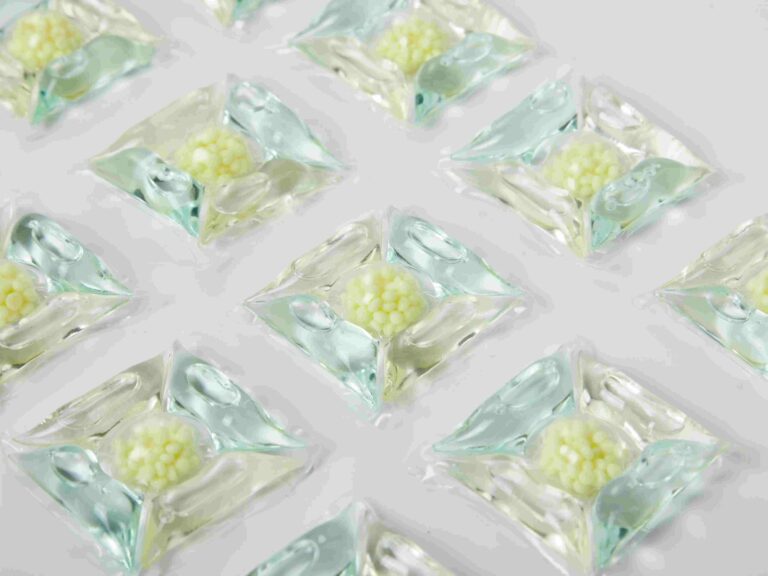
Operational insights from plants and channels repeatedly favor laundry pods where dosing repeatability and limited handling errors stand as key requirements. The encapsulated fixed-dose structure avoids residue from mismeasured applications, ensuring uniform delivery of concentrated enzymes, surfactants, and builders throughout cycles.
Cold-water dominance—now standard through energy regulations, rebate structures, and fabric-maintenance protocols—capitalizes on advanced soluble-film compositions and elevated actives loading. Films dissolve steadily in 15–20 °C water, yielding stain performance on common household soils (body oils, dirt, grass) that ties or surpasses many mid-tier liquids in high-efficiency front- and top-load systems. Biodegradable-film progress has reduced earlier compliance and reliability shortfalls, enhancing fit for regions enforcing strict PVA or microplastic guidelines.
From logistics angles, pods cut damage claims with compact, near-spill-proof packaging that optimizes pallet and container utilization over liquid formats. Retail and e-commerce display benefits from the modern, streamlined appearance that aligns with convenience and premium segments. Per-load costs exceed alternatives, and spot pretreatment lacks practicality, but these factors usually mesh with margin frameworks for mid-to-upper private-label efforts, cross-border movements, or lines focused on minimal user instruction.
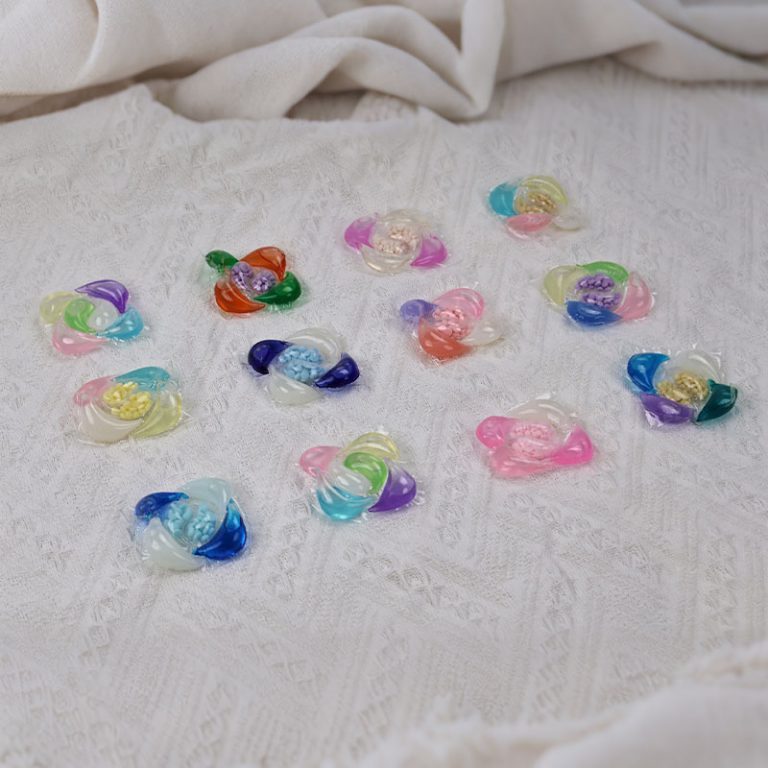
Category monitoring in 2026 reveals multi-chamber pods (3-in-1 to 6-in-1) gradually broadening presence in premium and ease-of-use tiers, supporting brand differentiation around deeper cleaning, odor control, and integrated fabric protection without additional components.
Liquid Detergent: Proven Versatility for Stain-Focused Applications
Liquid detergent sustains necessity in pretreatment-standard and variable-soil processes. The pourable consistency permits targeted application to grease, makeup, food spills, or body-oil residues, allowing surfactants and enzymes sufficient dwell time before agitation—producing consistent clearance of chocolate, salad dressing, sebum-based marks, and similar soils across diverse water-hardness and temperature profiles.
Concentrated liquid builds shrink shipping volume, trim plastic requirements, and retain dosing adaptability from light delicate runs to maximum-capacity bedding. Chelating components counter hard-water interference capably, and numerous compositions add softening traits that improve fabric texture post-rinse. Private-label strategies leverage liquids for comprehensive reach: basic high-efficiency-compatible items extending to robust industrial or household-specific variants.
Freight mass remains elevated due to aqueous content, and storage involves spill safeguards, but pretreatment effectiveness keeps liquids vital wherever uniforms, kitchen fabrics, kids’ items, or hospitality linens generate diverse or oily soils. In 2026 lab sequences, leading liquids still top charts on oil-derived and protein stains, upholding utility as pods gain in convenience.
Powder Detergent: Cost Leadership in Niche Scenarios
Powder detergent preserves the leanest per-load cost model, suiting volume contracts, entry-level private labels, and budget-oriented areas. The granular makeup supplies mechanical force that capably removes ingrained dirt, lasting odors, and blood or protein soils when heat supports full dissolution.
Cold-water drawbacks endure: partial activation may leave traces on dark or synthetic materials, enzyme output declines, and general cleaning diminishes in the 15–30 °C zone prevalent in home washes. Retail space shrinks as liquids and pods capture traction, yet powders offer steady value in hard-water zones, remote bulk markets, or commercial laundries able to tweak formulas for current high-efficiency systems.
Wholesale and manufacturing sides gain from basic material flows, straightforward scaling on standard equipment, and prolonged stability without separation or leak concerns. Overall sector shifts favor formats tuned to dominant low-heat practices and stricter waste-packaging rules.
Scenario-Based Recommendations: Matching Format to Market Needs in 2026
Format matching reflects established patterns in user routines, equipment inventories, and logistics frameworks.
International shipments and quick-turn urban outlets tend toward laundry pods for reliable dosing and strong cold-water outcomes in high-efficiency machine fleets common across developed and growing markets. Grease-intensive or pretreatment-reliant groups—uniforms, dining linens, children’s clothing—stick with liquid detergent for deep spot action and conditioning properties. Hard-water areas and rigid volume-budget channels opt for powder detergent to maximize savings on dirt-focused, scent-heavy loads. Regulated sustainability or certification-driven sectors move to biodegradable laundry pods or highly concentrated liquids, drawing on continued improvements in environmental impact. Energy-aware high-efficiency applications choose pods and refined liquids for assured dissolution and results in cold cycles.
Ongoing trends point to pods and concentrated liquids slowly broadening share amid rising convenience demands and regulatory tightening.
Overlooked Factors in Detergent Format Decisions
Hard water places heavier strain on powder dissolution than on pods or liquids, which include binding agents to hold performance steady in tough fills. Over-dosing endures as an unseen expense in manual-measure formats, hastening fabric rigidity, machine deterioration, and surplus use—pre-measured pods curb that substantially.
Pod-film biodegradability stays monitored, but versions meeting ECOCERT, REACH-equivalent, and similar criteria show real evolution. Private-label acquisition benefits from extensive tailoring: low-stimulant foundations, 72-hour scent hold, enzyme adjustments for local stain patterns, septic compatibility, and cold-water enhancers that set products apart in packed categories.
Other operational notes cover gray-water system endurance (where concentrated pods cut residue), enzyme durability in extended sea shipping, and outer-pack updates tackling microplastic issues across all formats.
Guangdong Jieshi Biotechnology Co., Ltd.: Established OEM/ODM Manufacturing Expertise
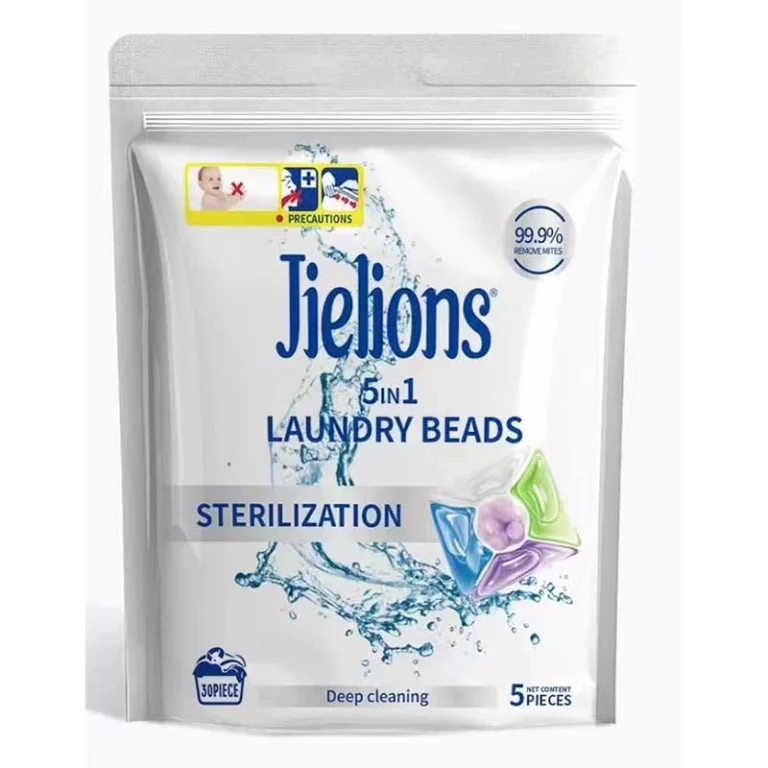
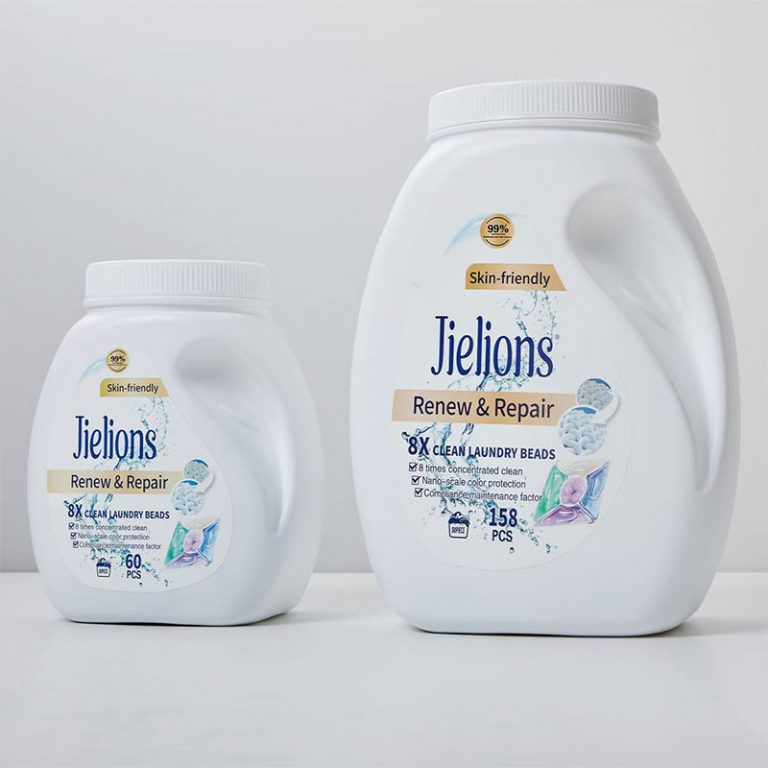
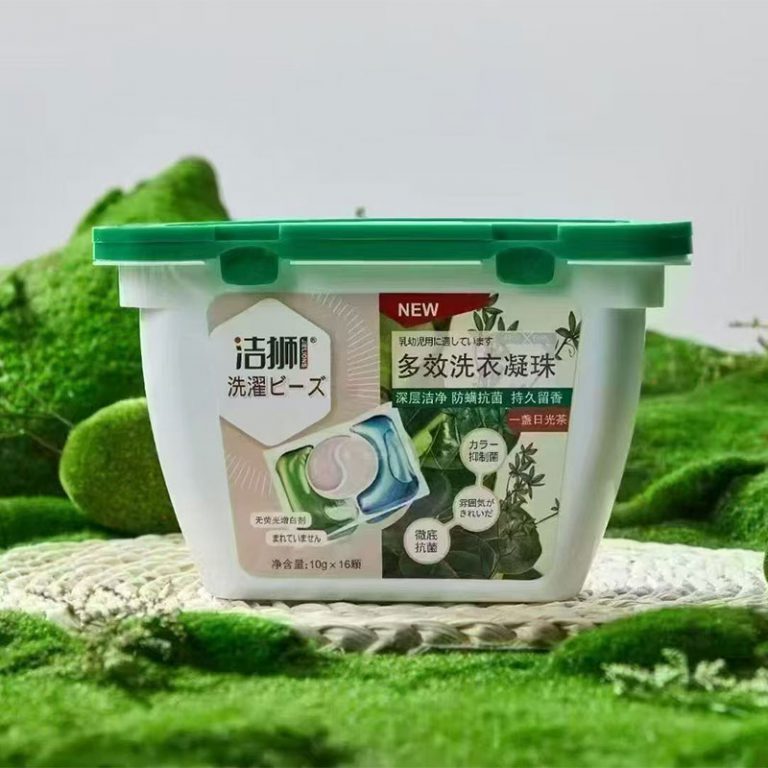
Guangdong Jieshi Biotechnology Co., Ltd., under Jielions branding, holds over twenty years in focused household-cleaning output. The Foshan plant spans 50,000 square meters with more than fifteen automated lines, handling daily volumes up to 5 million laundry pods. Main lines feature multi-chamber laundry pods (3-in-1 to 6-in-1 setups), concentrated and biodegradable types, cold-water soluble forms, fragrance beads, laundry sheets, and allied products—all set for thorough OEM/ODM adaptation.
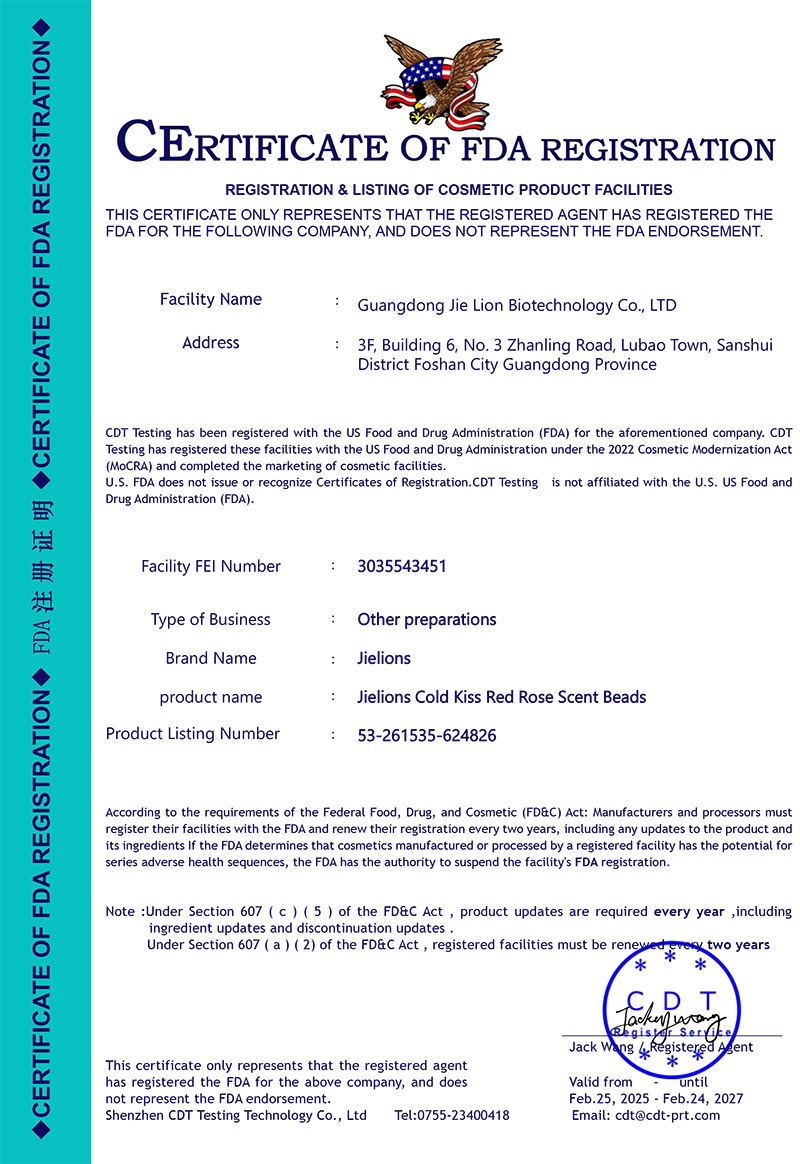
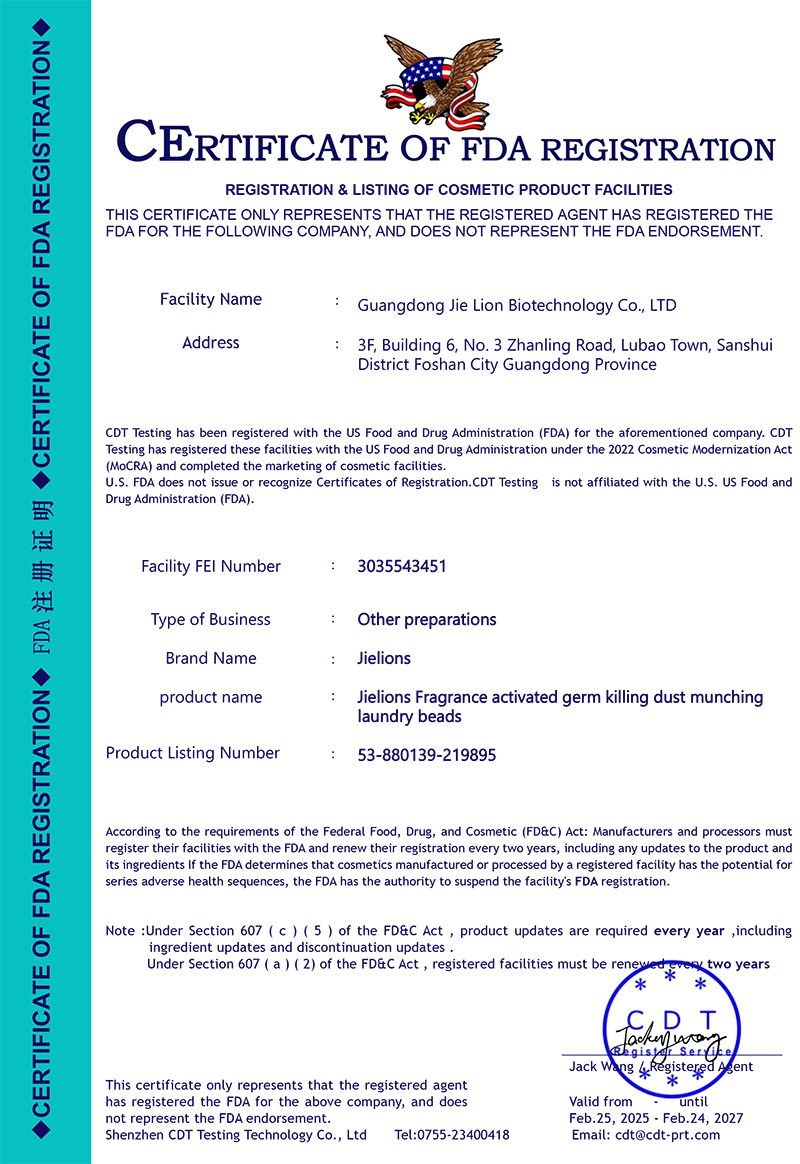
Approvals span ISO 9001:2015, HALAL, and EU ECOCERT, reinforced by quality routines yielding 99.8% sample alignment. R&D stresses high-concentration elements, mild-irritant mixes, eco-aligned bases, 72-hour fragrance stability, and skin-friendly designs. Outreach includes Southeast Asia, Europe, North America, Central Asia, and the Middle East with complete assistance from formula creation to packaged branding and compliance files.
Conclusion
Through 2026 test data and market notes, laundry pods excel in dosing steadiness, cold-cycle output, and current ease, liquids keep key adaptability for pretreatment and soil range, and powders secure cost dominance in fitting volume or specialized uses. Distributors, brand leads, and wholesalers boost returns and cut issues by linking format picks to verified behaviors—ease in export and city channels, savings in bulk areas, eco-fits in controlled zones. Constant upgrades in biodegradable films, dense actives, and cold-water tuning solidify pods as a growing tactical pick for progressive portfolios.
Frequently Asked Questions
Are laundry pods better than liquid or powder for cold water washing in 2026?
Laundry pods typically display enhanced dissolution and enzyme work in cold cycles, offering steady cleaning on usual household stains without extra heat. Lab comparisons set them competitive or leading in various cases, though liquids sustain pretreatment edges.
Which laundry detergent format offers the best value for bulk or wholesale orders?
Powder detergent keeps the slimmest per-load costs, suiting major distribution in hard-water spots. Concentrated laundry pods bring better full economics via less waste, exact dosing, and reduced quality or return problems when shaped for private-label needs.
Can laundry pods be customized for eco-friendly or low-irritant needs in private-label production?
Customization often covers biodegradable film methods, phosphorus-free builds, hypoallergenic mixes, and custom enzyme sets, supporting matches to eco and skin-safety rules for standout laundry pods.
How do laundry pods compare to powder for stain removal on tough soils like blood or dirt?
Powder detergents hold superiority on blood and rooted dirt via physical force, while high-concentration laundry pods with improved enzymes cover wide stain types that near powders in full 2026 reviews.
What should distributors consider when sourcing laundry pods versus liquid for export markets?
Laundry pods pull focus for tight freight setups, low mess in transit, and firm cold-water dependability in areas like Southeast Asia and the Middle East. Liquids fit pretreatment-strong needs, with adjusted tailoring ensuring rule matches and local positioning.