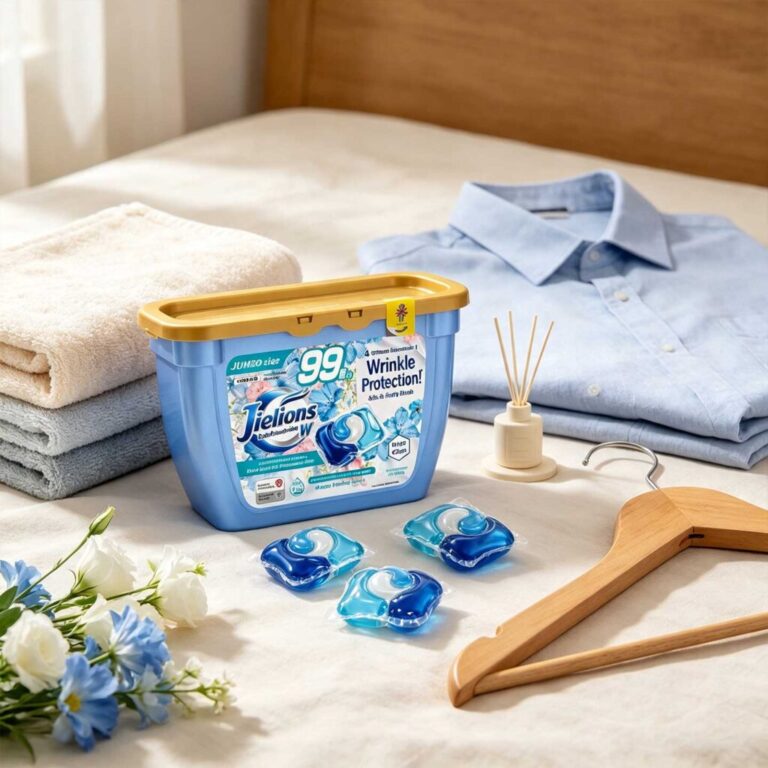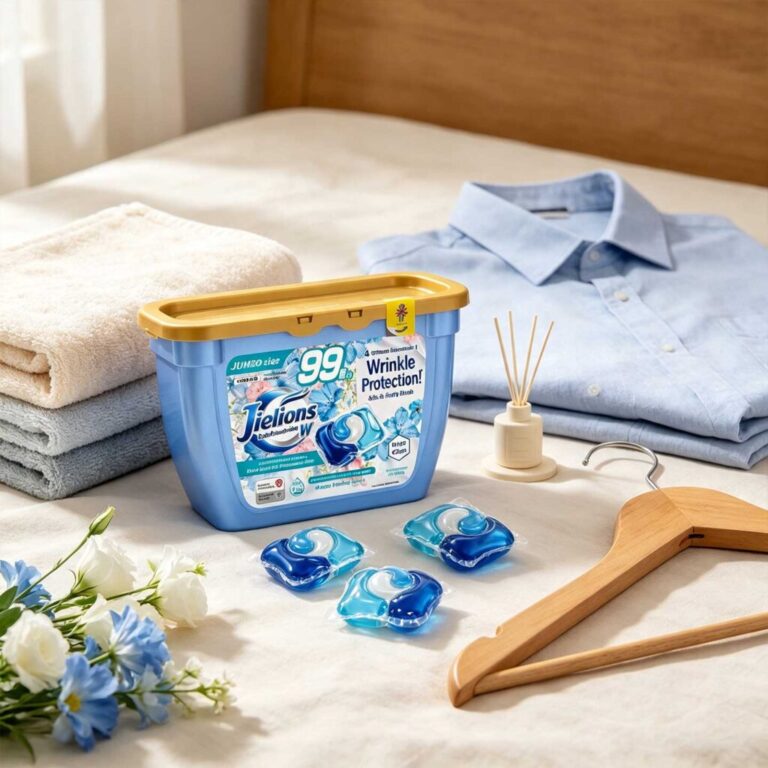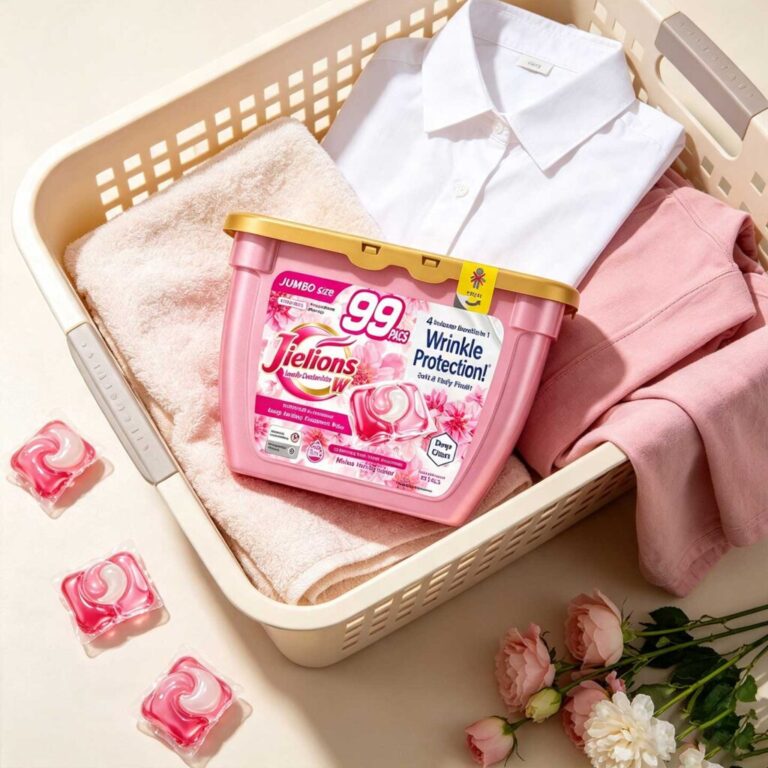
OEM/ODM laundry detergent pods serve as the foundation for brands building out private-label offerings in 2026, where multi-chamber setups keep enzymes, oxygen boosters, and conditioners apart until the wash kicks in for reliable results across batches and storage periods. Wholesale buyers and exporters regularly come back to manufacturers capable of high-concentration mixes that perform in cold water, satisfy REACH or EPA guidelines, and fit into compressed timelines. From running production floors and handling requests out of Southeast Asia to the US heartland, the trends show up consistently—purchasers demand more than just data sheets. They expect evidence that the pods hold up through actual supply chains and hand retailers a solid competitive advantage.
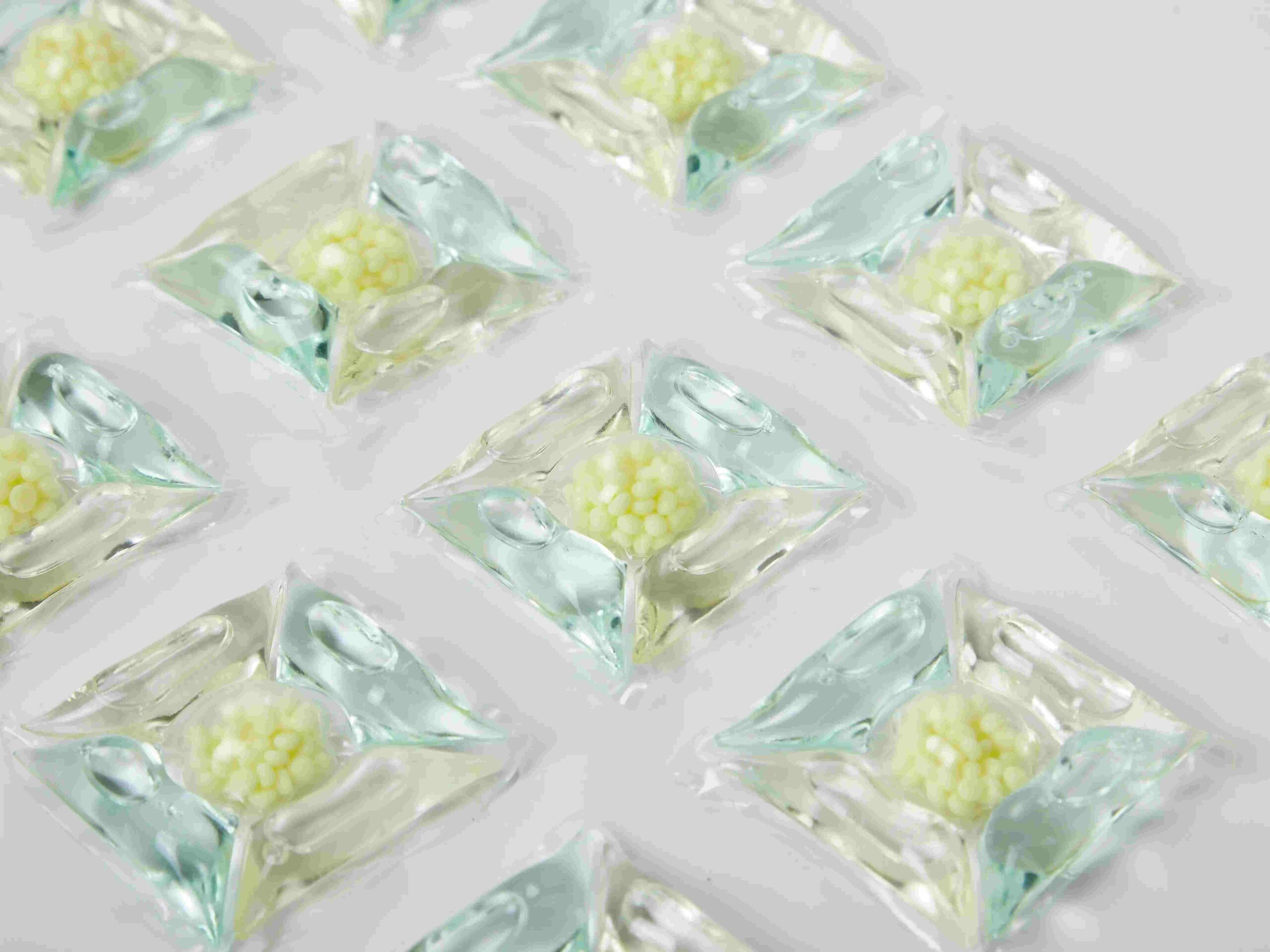
Why Multi-Chamber Laundry Detergent Pods Dominate in 2026
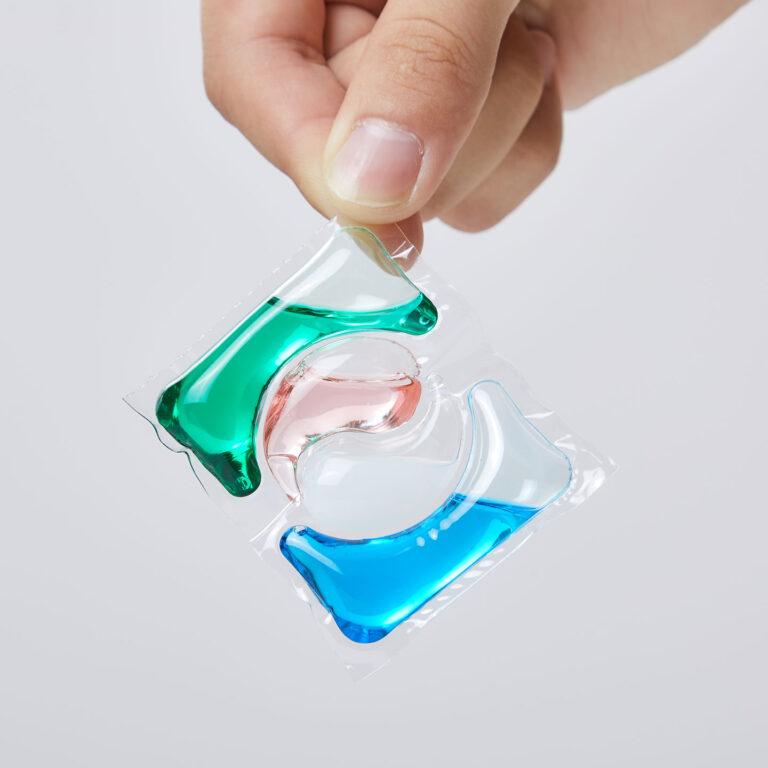
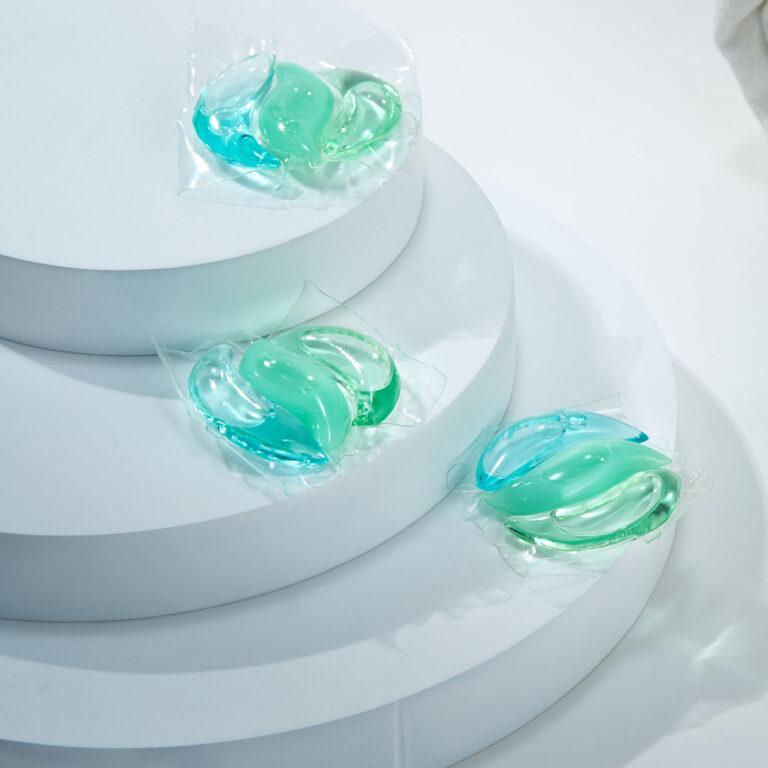
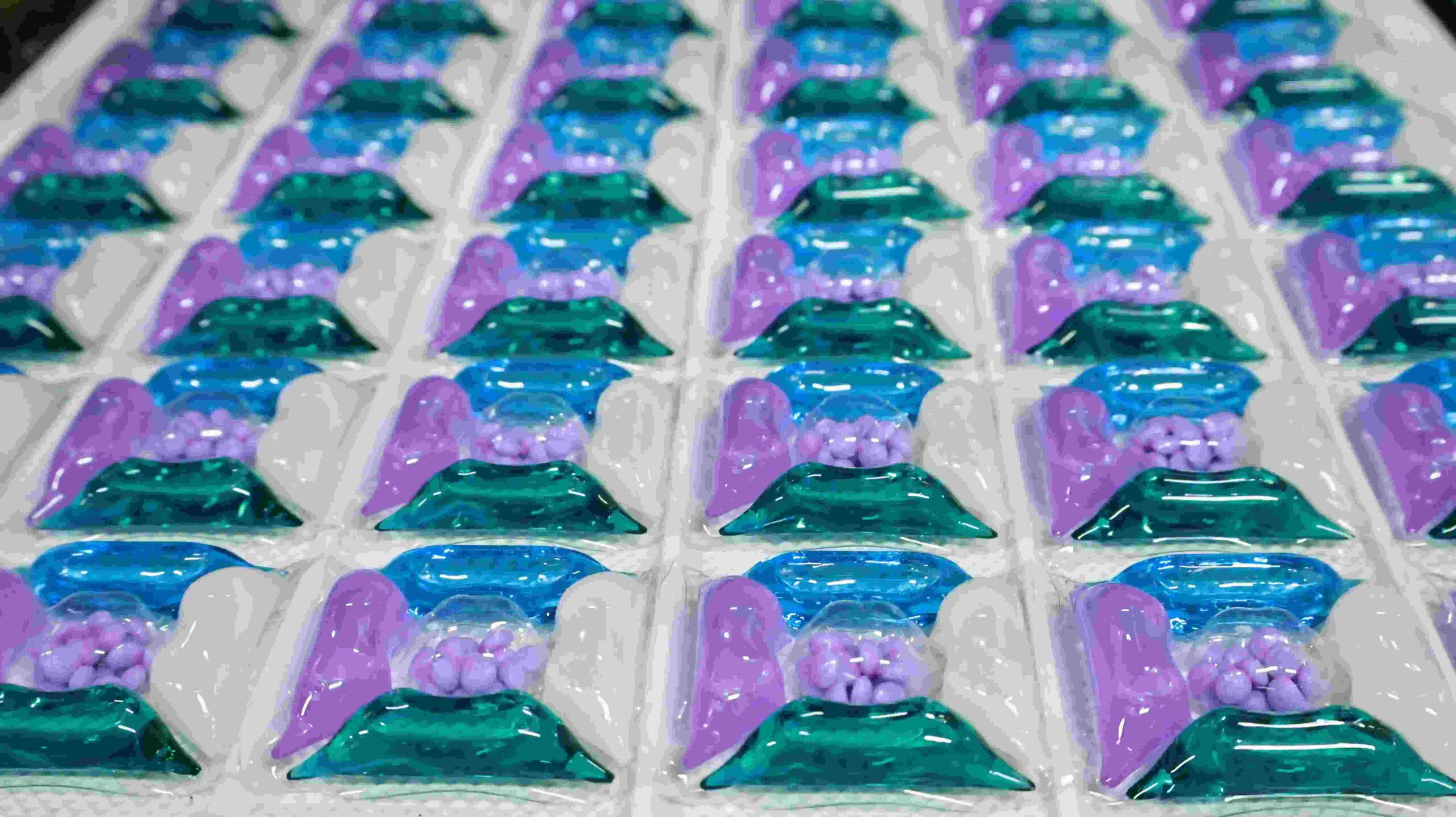
Single-chamber pods manage volume in entry-level segments. Multi-chamber options pull ahead by fixing the classic issue of actives clashing inside the wrapper. Three to six compartments mean enzymes remain cut off from peroxide elements until water triggers the film. The result shows in extended shelf life during sea transport and sharper cleaning once the machine runs. High-concentration multi-chamber laundry pods carry active levels past 50 percent routinely, allowing a single unit to tackle 10 to 12 items in regular cycles and two to manage tougher grime without excess.
Distributors see the impact on margins. Compact cases and reduced pallet weight trim shipping fees on paths to Europe or the Middle East. For stores, the one-stop pitch—spot treatment combined with conditioning and 72-hour aroma—moves units faster than standalone boosters. In mineral-heavy water zones, the staged delivery also dodges the powdery buildup that once triggered returns.
Key Technologies Behind Modern Laundry Pods
Rotary drum PVA equipment drives multi-chamber assembly. Cavities fill to ±0.1 grams, sealed with exact temperature control to prevent drips in transit. The setups operate around the clock in GMP cleanrooms, holding contamination at bay even at outputs hitting five million pods daily.
Enzyme packages deliver the core punch in cleaning. Protease deals with blood and perspiration, lipase slices oils from meals or skin, amylase clears starches, and cellulase refines fibers against fuzz. Biotech sources for these now ensure activation under 30 degrees Celsius, critical when specs call for cold-water efficiency to match utility-saving initiatives. Low-irritant types clear multiple skin assessments, clearing the way for household or hospitality applications.
Biodegradable laundry pods wholesale suppliers shifted beyond standard PVA years back. Current films break down entirely in cool washes, with near-zero leftovers in processing facilities. Botanical surfactants stand in for prior chemicals, and compositions remain without phosphates or whitening agents to pass inspections smoothly.
The OEM/ODM Production Process Step-by-Step
The sequence opens with the purchaser’s outline—key stains, aroma choices, compartment numbers, and text requirements. Materials land with analysis docs; entry checks cover acidity, thickness, and ingredient strength before lines engage.
Lab work on formulas comes after. Trial lots mix and face stain panels—grease, turf, cocoa, plasma. Tweaks occur fast for cold-water alignment, with samples typically out in around two weeks. Initial runs go free since performance guesses help no one.
Packaging specs develop next. Reviews hit on containers, sealable sacks, or online presentation boxes, followed by brand hues, dual-language details, or tamper-evident elements. With sign-off, short runs verify the complete flow—dosing, closing, boxing—at production paces.
Stability evaluations proceed alongside: units endure moisture simulations like container voyages. Cleaning checks and chemical profiles return prior to volume ramp. Mechanized lines assume control, checkpoints active throughout so outbound loads replicate the vetted reference precisely.
Customization Options for Your Brand
High-concentration builds fit cost-focused outlets seeking reduced cycle usage. Low-irritant groups suit dermal-sensitive ranges post irritation clearances. Germ-fighting or anti-static inclusions slot in easily when end-user issues surface upfront.
Compartment arrangements stretch from three for essential wash-plus-condition to six for broad coverage—pre-soak, thorough scrub, hue safeguard, material mend, scent seal, and enhancer. Aromas align with area tastes: marine or neutral for North American freshness, botanical or clean cloth for Southeast Asian appeal.
Own-label wrapping spans from emblem positioning to box graphics. Plenty of purchasers add fragrance beads for paired shipments, handing outlets an instant bundle opportunity.
Compliance, Certifications, and Global Export Readiness
ISO 9001 threads the whole system, certificate GH005-2024Q0093 ready for reference. HALAL clearance expands access, and ECOCERT backs eco assertions in Europe. For North America, EPA-matched components and secure closures sidestep frequent border delays.
External facilities manage endurance, safety, and washability confirmations when extra records arise. Cold-transport modeling in tests spots potential gelling before containers depart.
Choosing the Right Chinese OEM/ODM Partner in 2026
Capacity draws the line on true contenders. A 50,000-square-meter operation with 15 specialized lines shifts from limited tests to monthly millions without reallocating resources. On-site research enables rapid recipe shifts over external waits.
Shipment history weighs heavy. Operations sending steady to Malaysia, UAE, Russia, and US online sellers grasp the form quirks and casing changes that hasten approvals. Adjustable minimums—test groups then escalation—maintain liquidity for expanding labels.
Seek clear quality logs and 99.8 percent lot approvals. GMP spaces and complete tracking cut post-delivery issues.
Real-World Case Studies from Successful Partnerships
A Russian dealer pushing past $50 million yearly required concentrated, REACH-approved pods with local script. The setup met the 30-day first load on a RMB 500,000 goal, positioning them ahead of domestic rivals on racks.
A US handler with solid online and chain presence pursued pods alongside scent beads under EPA rules, with 72-hour hold. The opening multi-million RMB package shifted to ongoing pulls after buyer responses stayed favorable.
A rising Cambodian care label bridged a category void with aroma-tuned items and dual-script wraps for area chains. The initial RMB 400,000 batch grew swiftly on test market strength.
These instances reveal a common thread—precise outlines, swift samples, steady output, and fulfillment matching commitments.
Guangdong Jieshi Biotechnology Co., Ltd. – A Reliable Manufacturing Partner
Guangdong Jieshi Biotechnology Co., Ltd. bases operations in Foshan City, Guangdong Province, logging over 20 years in laundry and care production. The 50,000-square-meter site maintains 15 mechanized lines outputting up to 5 million laundry detergent pods each day, bead fills at ±0.1 grams and fluid variances at or under ±1 percent.
Offerings span multi-chamber laundry detergent pods (three to six sections), fragrance beads holding aroma 72 hours, laundry sheets breaking down in 30 seconds at ambient temps, dishwashing beads, laundry liquid, shower gel, and hand soap. All accommodate complete OEM/ODM from mix design to ready-for-sale wrapping.
Research prioritizes functional gains: dense concentrations for less usage, mild irritant levels clearing dermal evaluations, and degradable films effective in cool washes with lower plastic footprint. Approvals encompass ISO 9001 (GB/T19001-2016/ISO9001:2015, GH005-2024Q0093), HALAL (7621088781418), EU ECOCERT, and further standards easing major outflows.
Chain oversight extends from material checks through GMP production to dispatch. Numerous QC stages and endurance exams hold lots identical to cleared prototypes. Outbound covers Southeast Asia, Europe, the Americas, Central Asia, and the Middle East, supported by trade arms and streamlined 1688 access.
Conclusion
Multi-chamber laundry detergent pods provide tangible benefits in output, display value, and rule adherence for 2026 markets. Dense mixes with directed enzyme work manage everyday marks and setups, as degradable features address stricter eco demands. Effective sourcing groups align with producers blending vast automated scale, dedicated research, and verified overseas delivery. With alignment, introductions accelerate, expenses remain steady, and items land with the traits channels require.
Frequently Asked Questions
What is the typical MOQ for custom multi-chamber laundry detergent pods?
Typical MOQ for custom multi-chamber laundry detergent pods begins modest for entry tests and expands to container quantities, offering room for fresh labels and volume dealers to sample prior to full commitments.
How long does OEM sampling take for biodegradable laundry detergent pods?
OEM sampling for biodegradable laundry detergent pods generally concludes in roughly two weeks, covering lab refinements, output trials, and sample shipments set for purchaser assessment.
Can multi-chamber laundry detergent pods be formulated for cold-water performance?
Multi-chamber laundry detergent pods formulate with enzyme setups and quick-break films that engage completely in cold water under 30 degrees Celsius while sustaining robust mark clearance and material handling.
What certifications are essential for EU/US export of laundry detergent pods?
Essential certifications for EU/US export of laundry detergent pods encompass REACH adherence for Europe, EPA matching for US eco rules, ECOCERT for degradable assertions, and ISO 9001 for uniform quality oversight.
How to ensure enzyme stability in high-concentration laundry detergent pods?
Enzyme stability in high-concentration laundry detergent pods arises from compartment isolation in multi-chamber builds, paired with managed assembly settings and continuous endurance checks mirroring distribution and holding phases.