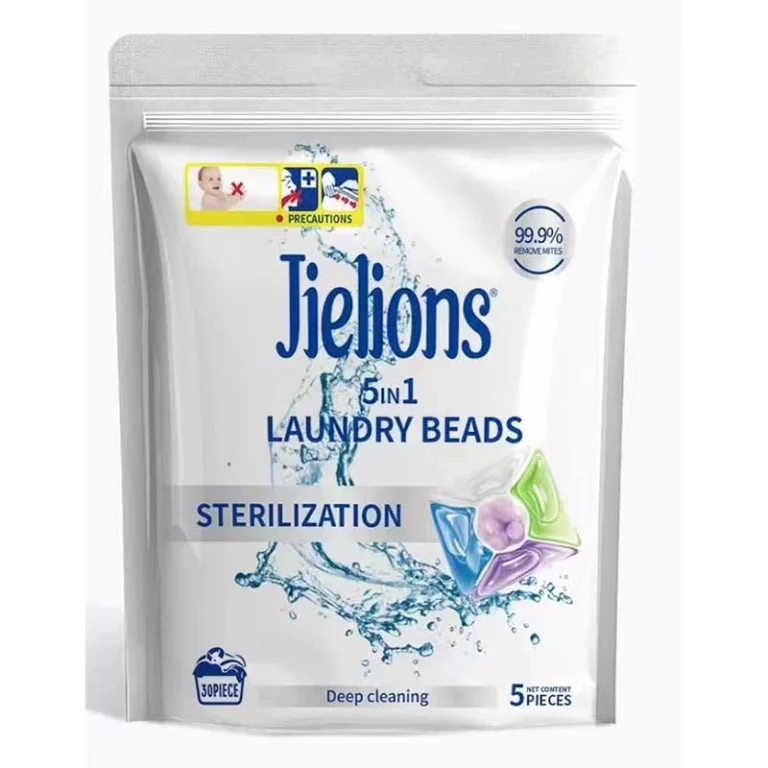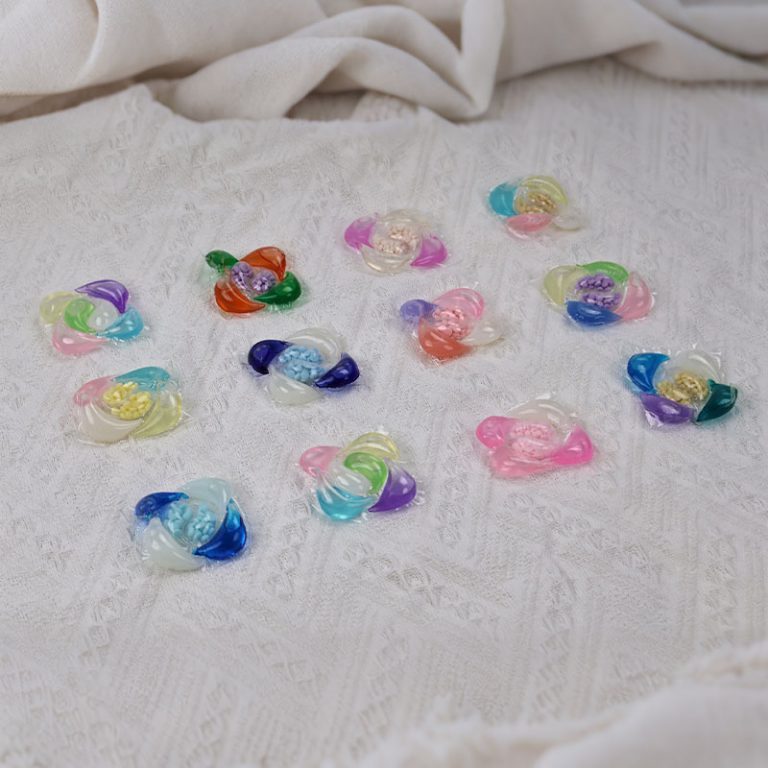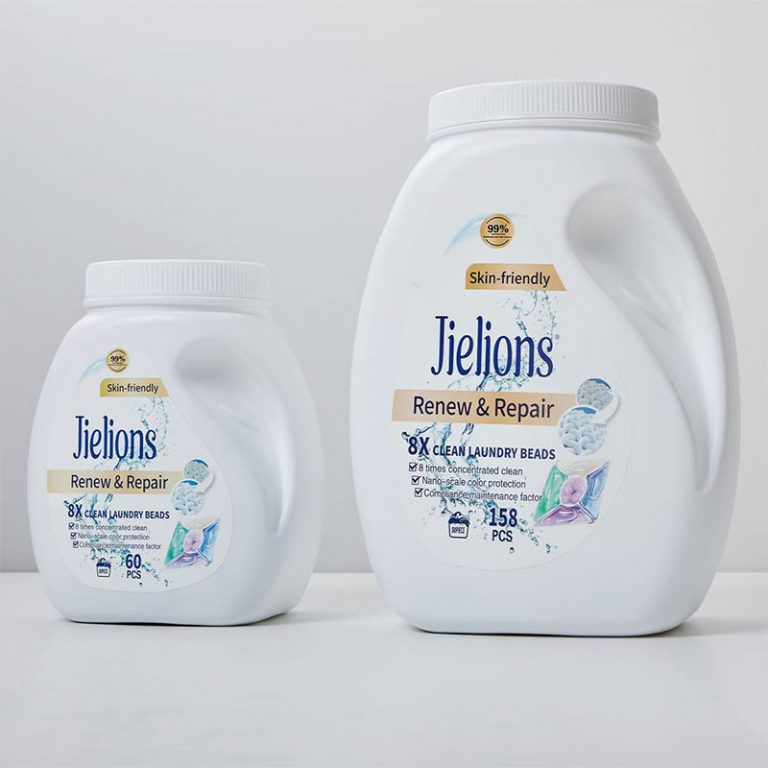
Sourcing custom laundry pods in China opens doors for brands pushing private-label growth, especially with high-concentration blends, layered chamber setups, and degradable wrappers now commonplace across major production hubs. Still, procurement groups hit familiar snags that transform solid plans into expensive lessons—slipped schedules, spec mismatches, regulatory snags, or expenses that creep higher than budgeted. As shipments from Guangdong plants and nearby clusters keep rising in 2026, the line between steady expansion and ongoing setbacks usually traces back to sidestepping these typical errors.
The signs pop up in shipment logs and talks with importers, dealers, and label developers. Plenty begin optimistic after spotting bargain rates on platforms, just to watch gains erode through fixes, added checks, or turned-away loads. Some rush deadlines without cushions, then juggle fixes when test units fall short in cool rinses or mineral-rich supplies. This breakdown covers the ten frequent oversights, pulling from production floor insights and actual outbound cases to outline the issues, their weight, and straightforward moves to dodge them.
Mistake #1 – Treating All Chinese Suppliers the Same (Not Differentiating Factory Types)
Suppliers differ sharply in size and setup, but plenty of purchasers group them based on early bids or web listings. A compact trading operation could vow fast flips and slim margins, whereas a direct plant with 15 mechanized lines and dedicated research space works on another scale. The disconnect emerges when the trader lacks grip on output standards or can’t grow past limited volumes, yielding uneven lots or abrupt bottlenecks.
The damage lands on timelines and item dependability. A dealer aiming at Southeast Asian chains wound up with pods that gummed in damp holding spots since the provider skipped solid humidity shields in dosing. Another faced extensions from pledged 30 days to beyond 60 as the plant struggled to boost without upsetting other runs.
To steer around this, sort providers upfront. Target those with committed floors—50,000 square meters or larger—operating full mechanized setups able to handle millions of pods each day. Ask for plant shots, line clips, or outside review docs displaying GMP sterile zones and distinct research areas. A key marker of strength lies in daily yield numbers and proof of layered chamber tools like rotating drum PVA units. Warning signs cover fuzzy replies on line totals or hesitation to release output footage.
Mistake #2 – Underestimating MOQ and Trial Order Flexibility
Order minimums surprise many. Certain plants fix high bars—50,000 pods upward—to offset prep expenses, stranding smaller labels with surplus they can’t shift fast. Others tout low thresholds but hike them mid-talks or tack on concealed charges for minor batches.
The trouble builds when funds lock into unmoved stock or when trials show tweaks needed. A label breaking into US online sales once locked a big first batch minus a test step, later finding scent strength missed buyer input, demanding pricey reworks and scrapping.
Hunt for partners that back minor lot tests, frequently from 5,000–10,000 pods for checks. Bargain tier costs—reduced per piece as amounts rise—and nail test conditions prior to growth. Agreements must detail shifts from test to mid-run to full scale, with defined sign-off points. Note providers who skirt MOQ chats or force large pledges early without test leeway.
Mistake #3 – Skipping Detailed Formula & Performance Specs
Loose asks like “tough cleaning” or “green friendly” give too much leeway. Absent set enzyme ratios, acidity spans, or exact mark measures, plants fall to basic mixes that might flop in aimed areas—particularly in cool flows or versus local grime like dense greases in Southeast Asia.
Fallouts show in mismatched outcomes. A European buyer got pods leaving traces in low-heat rounds since the mix favored hot activation. Another group didn’t pass simple wash checks on turf and plasma spots, sparking store gripes and pulls.
Craft a sharp tech sheet right away. List enzyme kinds (protease for proteins, lipase for greases), base activity measures, breakdown times under 20 degrees Celsius, and check norms like IEC or AATCC. Demand early models face outside wash trials pre-okay. Push for NDA pacts to guard unique changes. Plants slow to agree on thorough specs or reveal lot check info typically point to shallow research strength.
Mistake #4 – Ignoring Multi-Chamber Production Capability
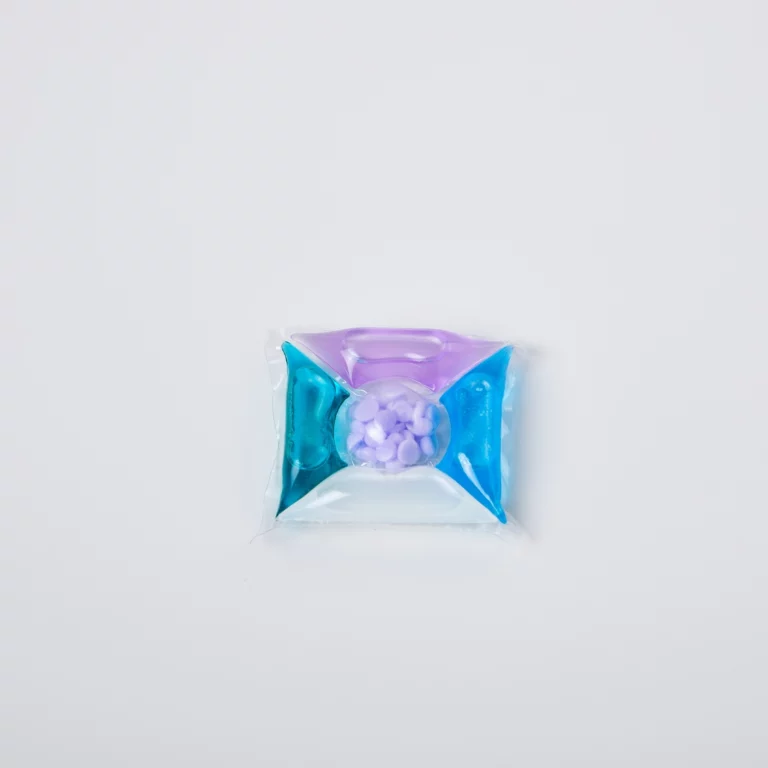
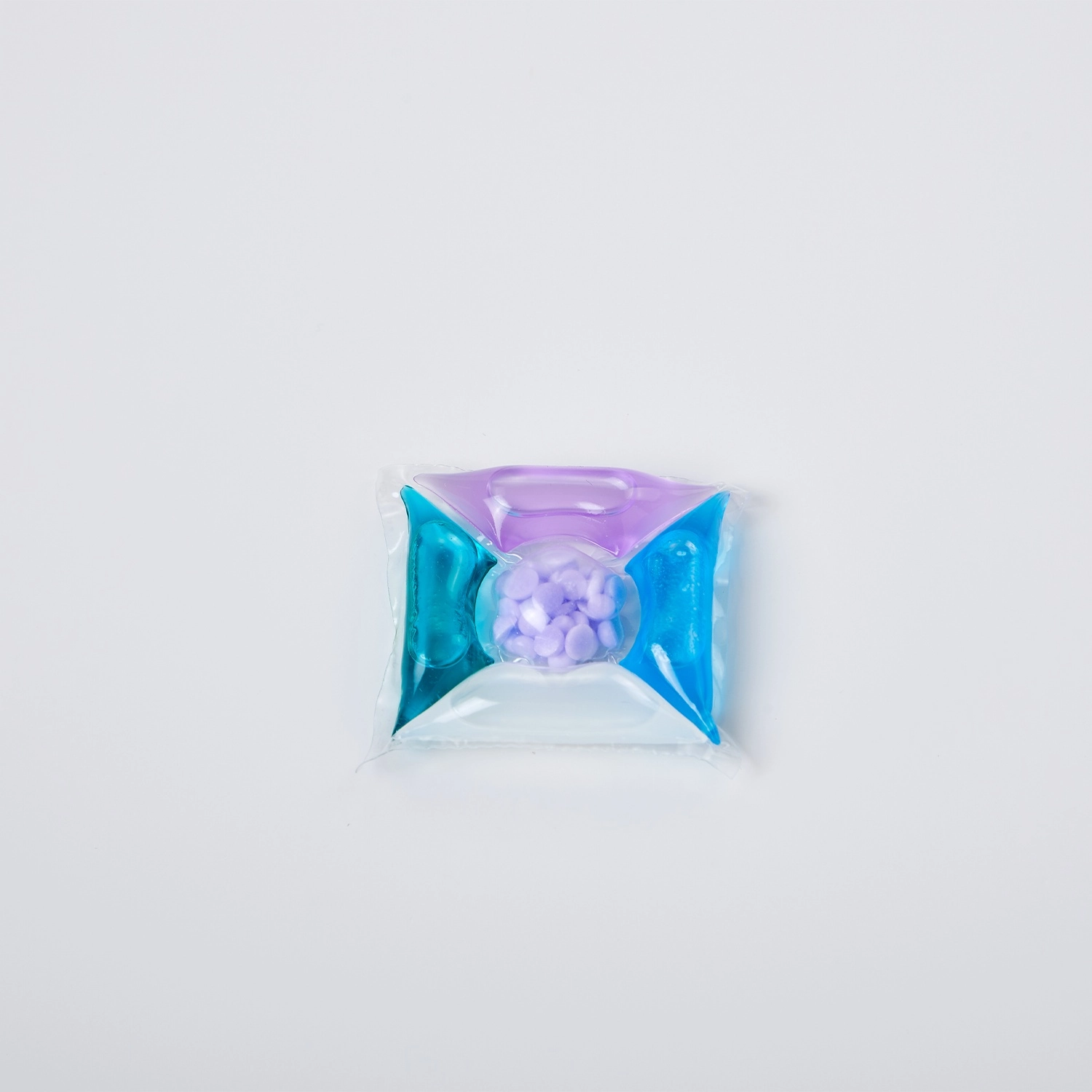
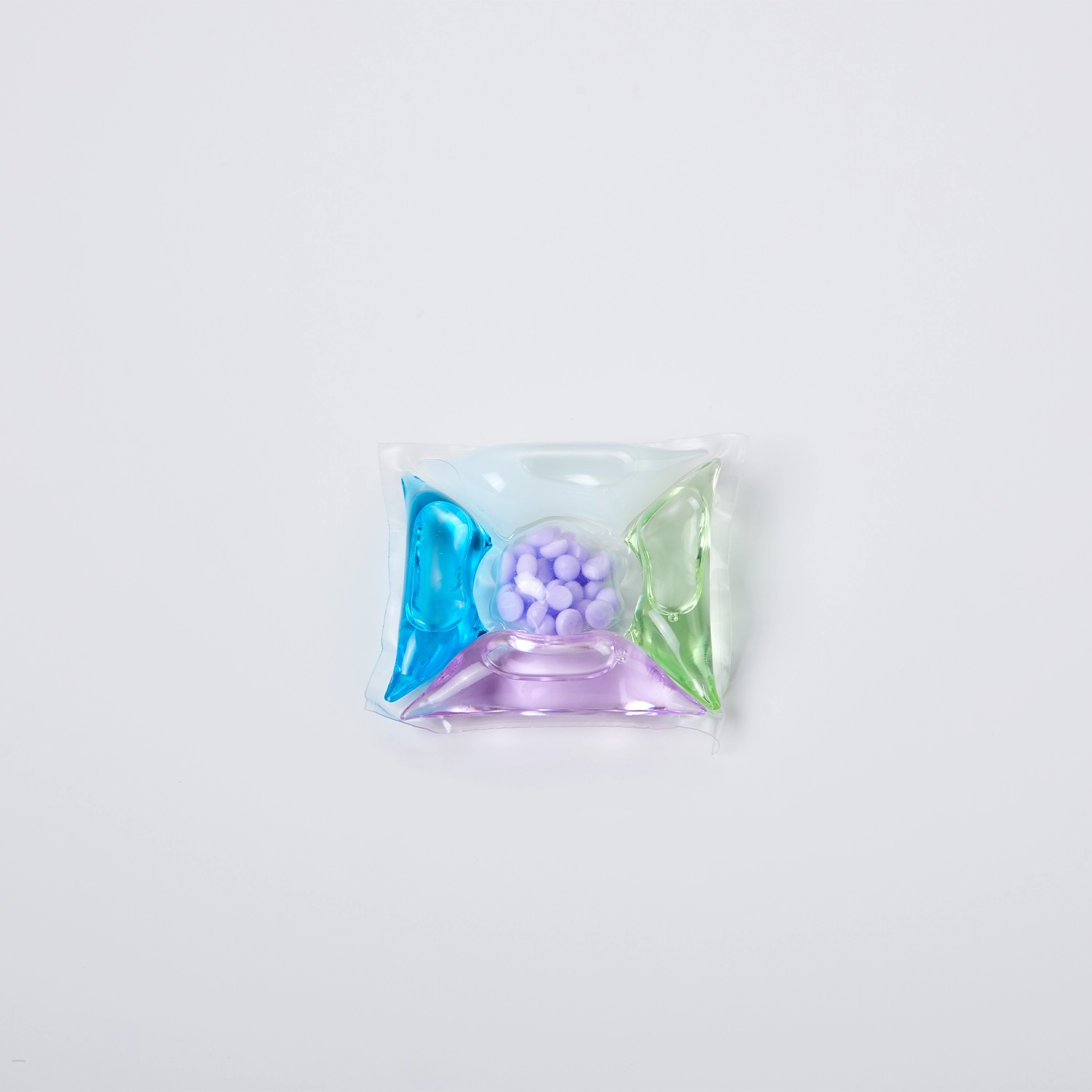
Labels chasing upscale spots seek four- to six-chamber pods to split spot clears from conditioners and lasting aromas. Picking a plant stuck on single- or pair-chamber configs pushes trade-offs or full reboots.
The glitch appears in output shortfalls. Minus division, enzymes may break down early or mix with enhancers, cutting strength over periods. A dealer focusing gym and lodging paths ended with pods dropping aroma hold after three months in stock as the provider failed to split scent grains right.
Confirm strength pre-lock. Call for layered chamber tests with cuts revealing neat section breaks. Verify gear—rotating drum systems manage accurate dosing over several pockets. Seek history with 72-hour aroma keep or germ-fighting stacks. Alerts involve plants shifting to basic builds or unable to supply cut views of complete pods.
Mistake #5 – Overlooking Biodegradable Film & Cold-Water Dissolution Reality
Pledges of “degradable” and “cool-flow soluble” attract, but PVA layers vary in work. Some lag below 20 degrees Celsius or drop tiny leftovers, missing buyer hopes or green approvals.
Issues rise after rollout. A label pushing green pods dealt with flak when folks noted un-melted bits in traps during cold seasons. Another load stalled at borders over partial breakdown in drain mocks needed for ECOCERT match.
Call for solid evidence. Ask for breakdown clips in 10–20 degree flows, complete MSDS lists noting layer makeup, and outside docs on degradation paces. Check tests in area water setups copying aimed zones. Plants offering just broad pledges minus lab info or balking at low-heat shows merit wariness.
Mistake #6 – Not Building in Third-Party QC from Day One
Counting only on plant self-checks invites unseen flaws—irregular doses, thin seals, or varying enzyme work—that pop up post-landing.
Expenses mount fast. Turned-away boxes bring storage charges, fix costs, and missed sales slots. A US handler once managed a whole load where pods split in transit from weak closing, yielding ruined items and coverage fights.
Weave in separate checks from the start. Bring in SGS, Intertek, or BV for pre-run, mid-run, and pre-load reviews using AQL norms. Place stops at material entry, dosing, and boxing. Add terms permitting turn-down rights with defined fixes. Providers fighting outside involvement frequently mask process soft spots.
Mistake #7 – Neglecting Packaging & Labeling Compliance for Target Markets
Labels short on dual text, tamper-proof traits, or needed component notes cause border stops or site removals. Rules shift hard—EU CLP for risk marks, US CPSIA for safety, Southeast Asia for native tongues.
Hold-ups stack. One European batch lingered in dock weeks over absent REACH statements, while a Middle Eastern run hit rejection for missing HALAL tags despite item fit.
Ready a rule grid early listing aimed area demands. Pass it to the plant and call for mock designs for check. Demand official match statements and test label okays pre-run. Plants versed in outflows to varied spots manage this clean; delay hints at likely holes.
Mistake #8 – Focusing Only on Unit Price, Ignoring Total Landed Cost
Hunting the bottom per-pod bid skips cargo, duties, check charges, wrap adds, and land moves. What seems cheap can swell arrival expenses by 30–50 percent.
True tales fill logs. A label took floor prices but ate steep sea rates and surprise border fees, wiping edges. Another learned wrapping sat outside, piling major per-piece outlay.
Ask for complete splits—FOB, CIF, or DDP choices. Set up an arrival cost tool factoring box loading, coverage, tariffs, and clear-through. Weigh total sums over providers. Bids missing main parts like outflow wrapping or land fees mostly obscure the full view.
Mistake #9 – Poor Communication & No Clear Escalation Path
Scattered talks through apps breed dropped info, un-logged shifts, and blame games when troubles hit. Minus organized reports, tiny glitches swell to big holds.
A usual case covers spoken vows on shipping that fade in chase-ups. One buyer held weeks for mix tweak clears as notes buried.
Set channels formal. Employ pacts with named task leads, weekly status, and mail paths for all alters. Add rise clauses for arguments. Plants at ease with ordered talks show pro level.
Mistake #10 – Jumping Straight to Mass Production Without Pilot Run
Bypassing mid-scale checks cuts time first but hazards whole groups when ramp reveals troubles like dose variances or hold issues.
Damage strikes sharp. A dealer scaled direct post-tests, just to see pods soften in moist climes, calling for complete fixes and dump fees.
Force mid-runs—1–2 tons base—pre-full. Check mids fully for breakdown, aroma keep, and wrap soundness. Pacts must need written ok post-mid. This phase spots glitches when repairs run cheaper.
Quick Checklist – Before You Sign the Contract
Scan these markers to spot voids soon. Does the provider supply line clips and yield proof? Are minimums bendable for tests? Is a sharp spec sheet locked? Can they display layered chamber tests? Do they share low-heat breakdown checks? Will they take outside reviews? Are match statements set for aimed areas? Does the bid cover full arrival expense parts? Is talk ordered with weekly status? Is a mid-run needed pre-mass?
Guangdong Jieshi Biotechnology Co., Ltd. – A Reliable Manufacturing Partner
Guangdong Jieshi Biotechnology Co., Ltd. holds base in Foshan City, Guangdong Province, with over 20 years tied to laundry and care making. The 50,000-square-meter spot keeps 15 mechanized lines, yielding up to 5 million laundry detergent pods each day while holding bead wraps to ±0.1 grams and fluid variances at or under ±1 percent.
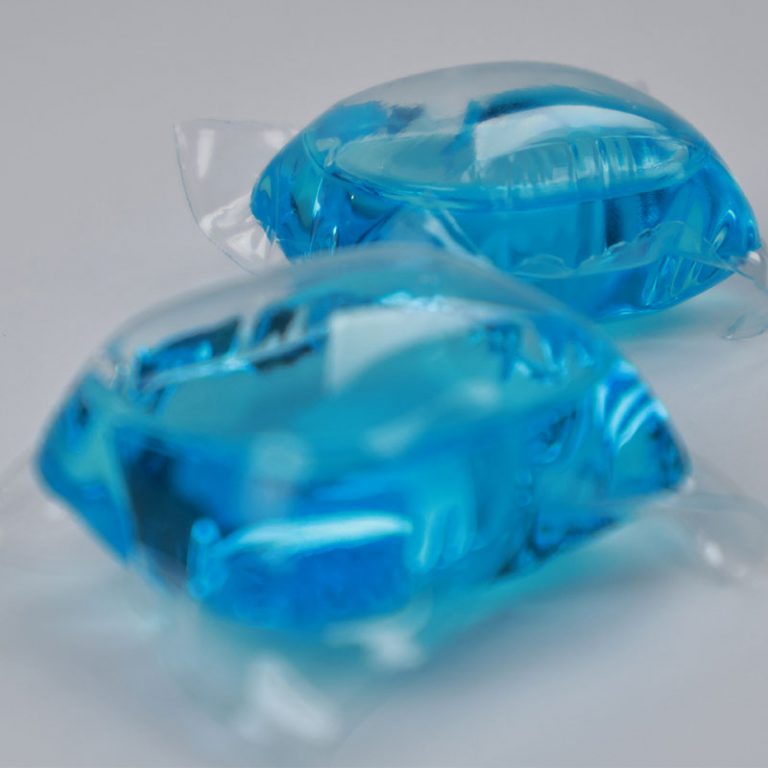
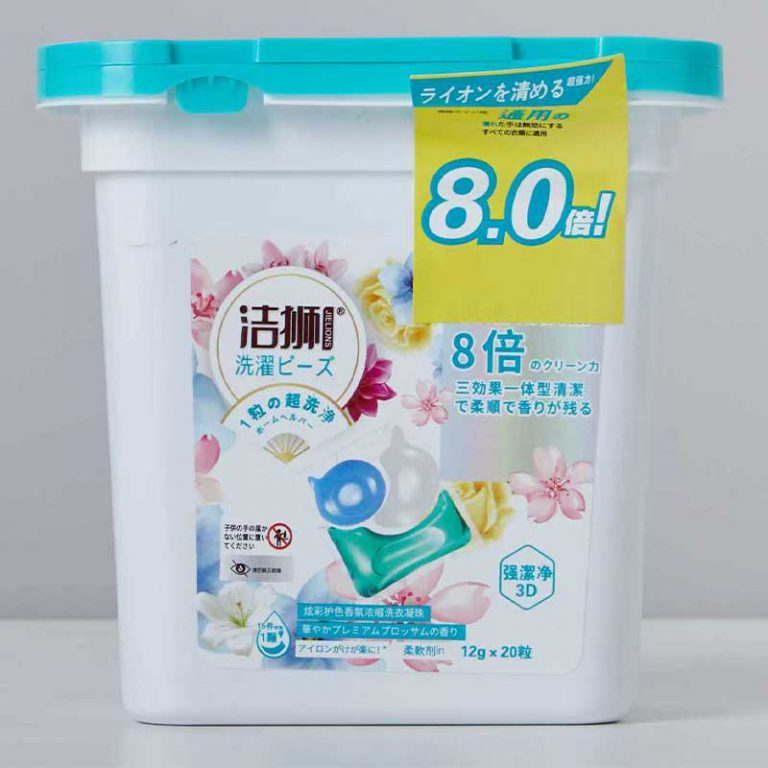
The scope includes layered chamber laundry detergent pods in three- to six-section forms, fragrance beads giving 72-hour hold, laundry sheets breaking in 30 seconds at room temps, dishwashing beads, laundry liquid, shower gel, and hand soap. Each item backs full OEM/ODM from mix start through to labeled, rack-set wrapping.
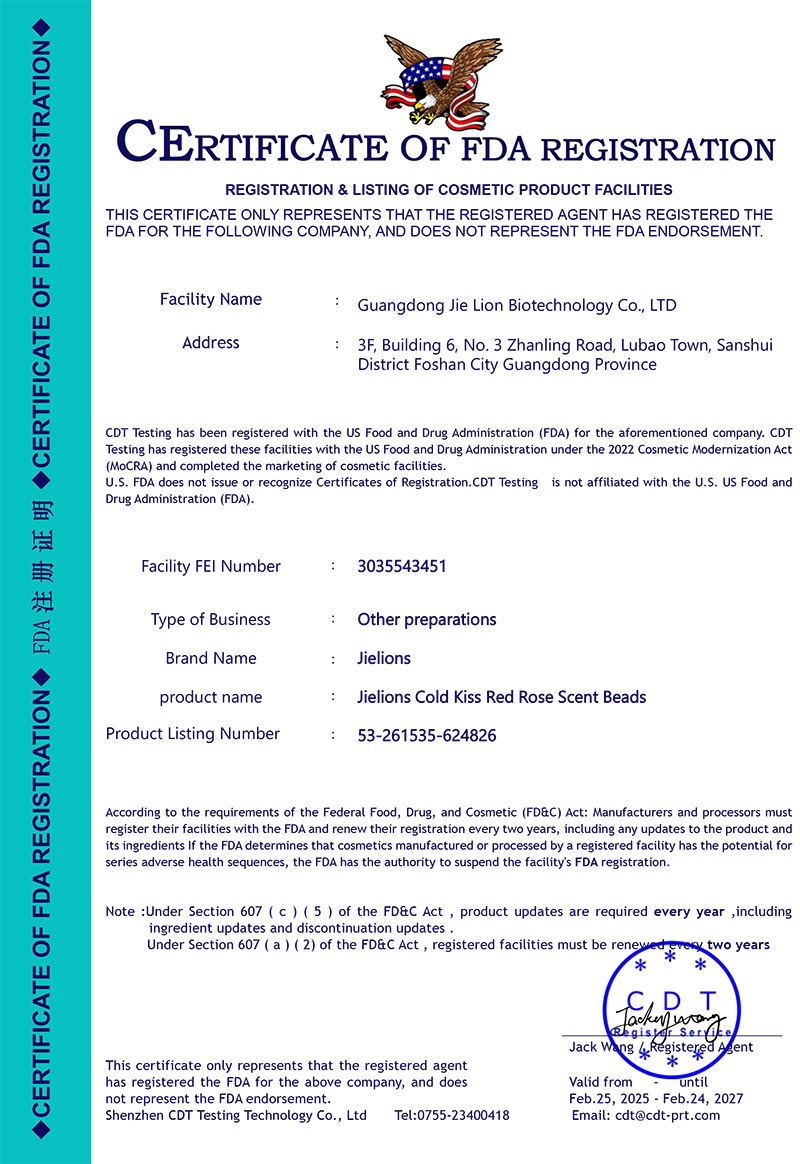
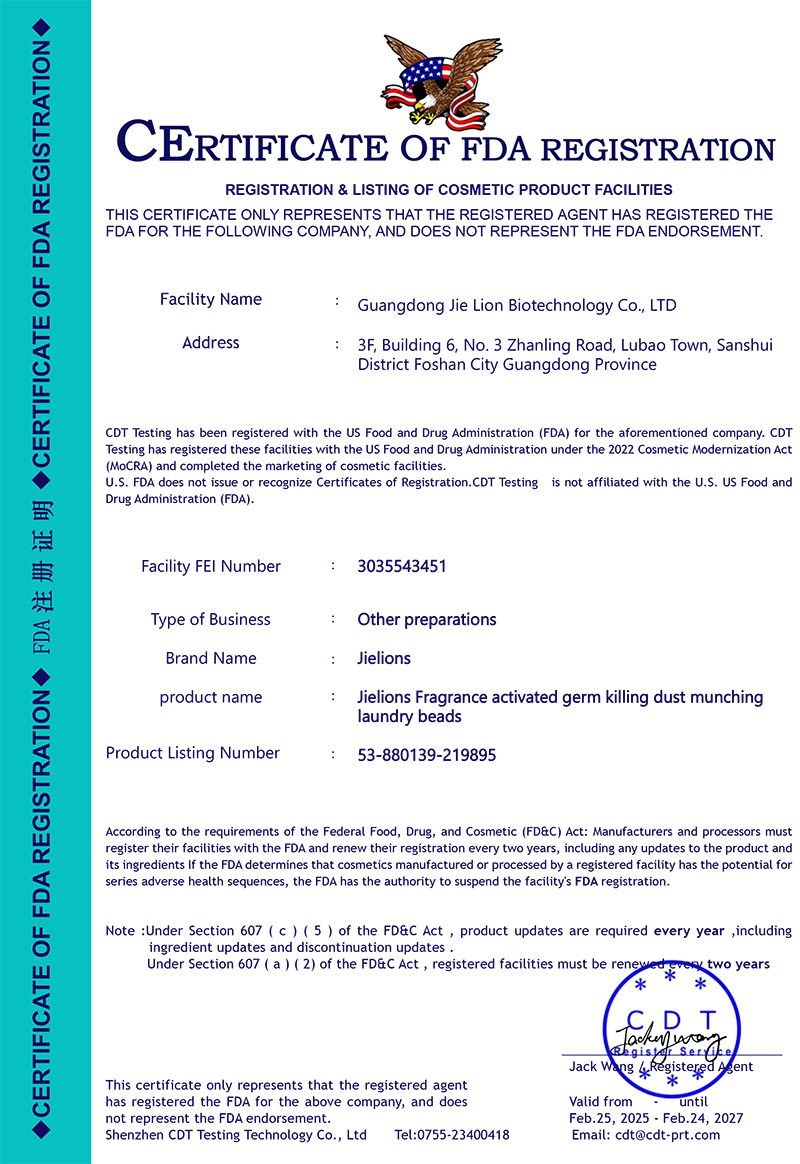
Research aims at real gains—dense concentrations for less use, mild irritant levels clearing dermal checks, and degradable films working in cool flows with cut plastic mark. Approvals span ISO 9001 (GB/T19001-2016/ISO9001:2015, GH005-2024Q0093), HALAL (7621088781418), EU ECOCERT, and more standards easing wide market reach.
Supervision runs the whole path—from material checks in GMP sterile zones to end send—with numerous QC phases and endurance exams to align every group to cleared models. Outflow areas cover Southeast Asia, Europe, the Americas, Central Asia, and the Middle East, backed by trade units and smooth sourcing via spots like 1688.
Conclusion
Dodging these ten errors sharply cuts the hazards built into pulling custom laundry pods from China. Labels that stress provider sorting, thorough specs, outside confirmation, and ordered steps face fewer holds, steadier output match, and firmer market stand. The upfront work—in mid-runs, rule checks, or arrival cost figures—returns in steady supply paths and strong items. With the proper ally, sourcing turns to a key plus over a constant test.
Frequently Asked Questions
What is a realistic MOQ for custom multi-chamber laundry pods in China?
A realistic MOQ for custom multi-chamber laundry pods in China frequently opens at 5,000–10,000 pieces for test loads, growing to bigger amounts with level pricing, letting labels check mixes pre-full pledges.
How to check if a Chinese factory can produce biodegradable laundry pods?
To check if a Chinese factory can produce biodegradable laundry pods, call for low-heat breakdown clips (10–20°C), complete MSDS papers listing makeup, outside degradation pace docs, and proof of ECOCERT or like approvals.
Why do custom laundry pods from China sometimes fail cold-water dissolution?
Custom laundry pods from China sometimes fail cold-water dissolution from lower-tier PVA layers or mismatched mixes; solid providers give tested layers and enzyme packages tuned for temps under 20°C.
What third-party inspections are recommended for laundry pods OEM?
Recommended third-party inspections for laundry pods OEM cover pre-run material checks by SGS or Intertek, mid-run dosing accuracy, and pre-load wrap strength using AQL norms.
How long does it take to get samples for custom laundry detergent pods?
It generally takes around two weeks to get samples for custom laundry detergent pods, spanning mix trial, early checks, and send, with free tests common to lock match pre-growth.