Picking the right water temperature boosts stain removal. It also helps underwear keep its color, stretch, and shape. Cold water serves as a safer starting point for blood stains and fragile garments. Meanwhile, warm water proves helpful for ordinary dirt when the fabric care label allows it. The ideal choice relies on the stain kind, fabric, and colorfastness. It also involves the detergent formula and the washing method. Buyers should not use a single temperature for every load. Instead, they must match the wash settings to the clothing item. They should also treat visible spots before drying.
Is Cold Water Better for Blood Stains on Underwear?
Blood holds proteins. These proteins become tough to wash out after exposure to heat. Because of this, you must rinse fresh blood spots with cold water. You should also pretreat them before washing the garment.
Cold water works best when you start treatment right away. You must act before the mark dries deep inside the fabric threads.
How Should You Treat a Fresh Blood Stain?
First, wash the marked spot from the back side using cold running water. This action pushes the dirt out of the cloth. It stops the mess from going deeper into the threads. Do not rub the fabric hard. This rule is very important for lace, mesh, or thin stretchy materials.
Put a measured amount of a good liquid detergent on the dirty spot. Let it sit based on the product guidelines. Tide’s official stain-care advice suggests rinsing blood spots in cold water. You should pretreat them and wash the item in cold water. Tide also warns that heat can lock the mark in place.
Look at the fabric after the wash cycle ends. Do this before drying the item. If a spot stays there, repeat the whole process. Dryer heat can make leftover marks much harder to clean.
Can an Enzyme Detergent Help with Blood Stains?
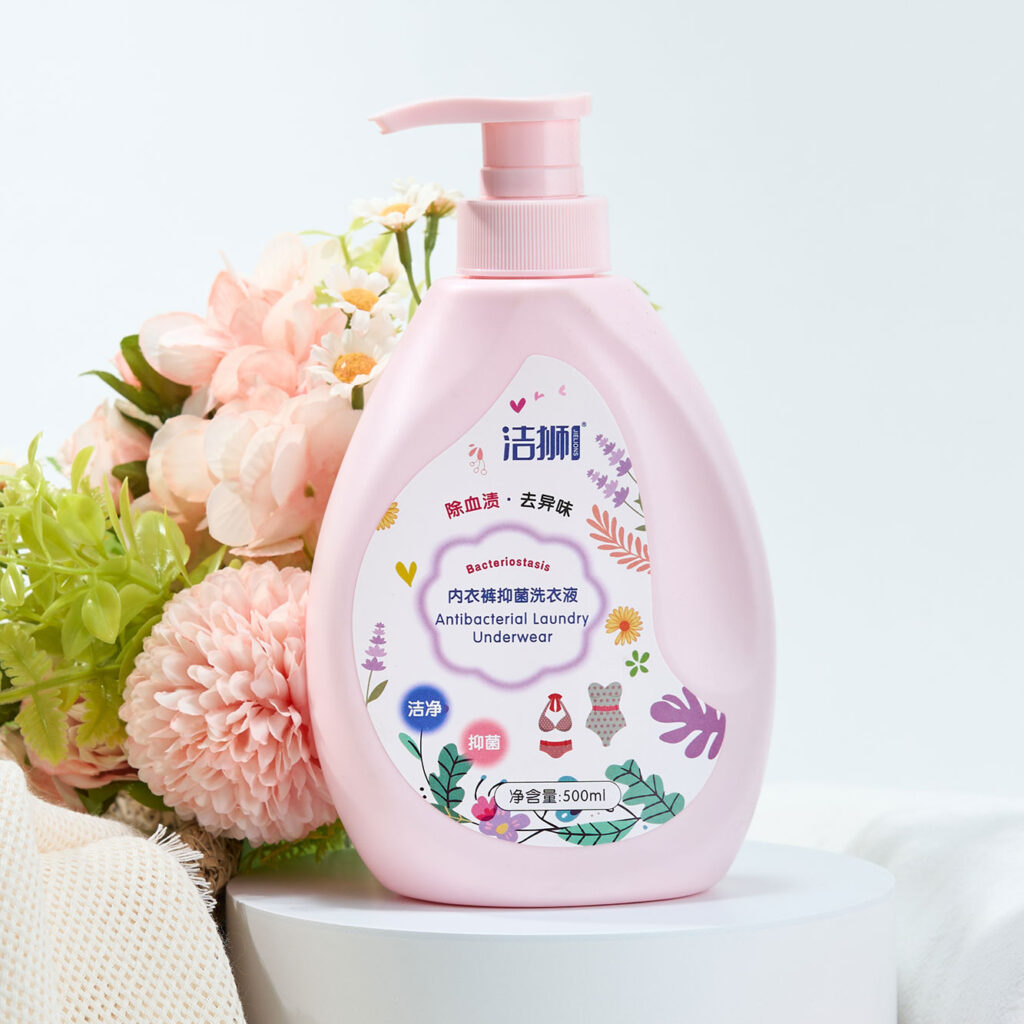
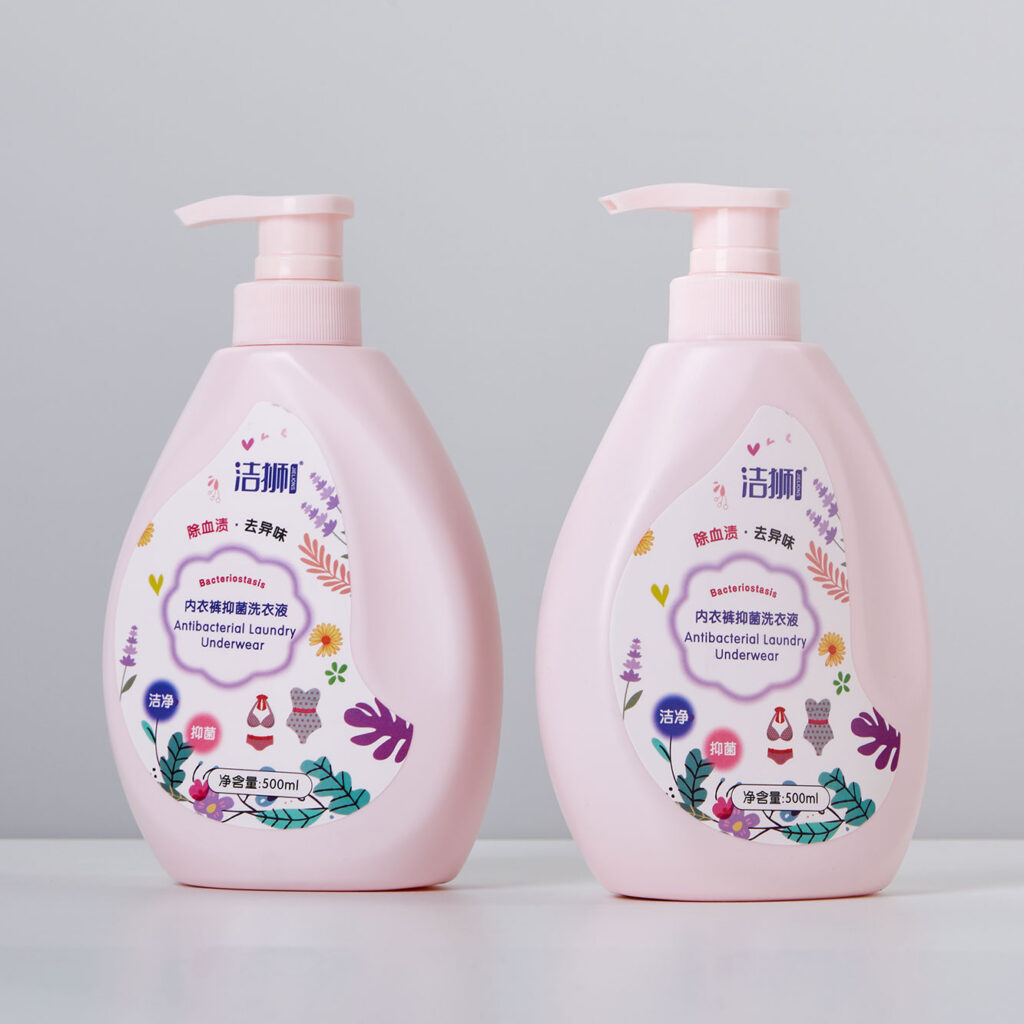
Some detergents use enzymes like protease. These ingredients break protein-based messes into tiny parts. This makes them easier to wash away. The Jieshi Underwear Antibacterial Laundry Liquid product page mentions its special formula. It contains protease. The maker designed it to clear blood spots in cold water.
Cleaning results still rely on the age of the mark. They also depend on the dose, soaking time, water quality, and cloth type. Users need to follow the detergent instructions and the clothing care label. They should never apply too much liquid.
Is Warm Water Better for Sweat and Everyday Soil?
Sweat spots do not always come from a single substance. They might contain water-soluble buildup, body oils, and deodorant. Skincare lotions and plain dirt can also be present. Therefore, the best temperature relies on the main type of dirt. The clothing material also matters.
Warm water boosts cleaning power for moderately dirty, colorfast clothes. However, you must not use it blindly on all types of underwear.
When Can Warm Water Be a Practical Choice?
Warm water works nicely for tough cotton underwear covered in daily sweat, body oil, or normal dirt. The care label just needs to allow it. Whirlpool defines a warm wash as roughly 40°C or 105°F. This setting balances good cleaning power with fabric safety for many moderately dirty items.
Always pretreat visible marks before the wash cycle begins. Warm water by itself might fail to clear deodorant buildup. It also struggles with oil-based residue or old spots. You still need a proper detergent and enough washing movement.
Do not jump straight from a cold blood-stain rinse to a hot wash if a mark stays visible. Make sure the dirt is completely gone before you apply any heat.
When Should You Stay with Cold Water?
Cold water is usually better for bras, lace, and highly stretchy underwear. It also protects dark colors and clothes that might shrink or fade. Whirlpool suggests cold water for bras. Hot water can ruin molded cups and damage stretchy elastic bands.
People often use cold or cool water for delicate machine cycles. These settings feature lower movement and slower spin speeds. This reduces stress on lingerie and other fragile pieces.
The care tag always acts as the main guide. Do not pick warm water just because the item has a bad smell or visible dirt. If the tag demands cold washing, you must follow it.
Which Temperature Is Best for Daily Underwear Washing?
For lightly dirty daily underwear, cold water serves as a handy default choice. It lowers the chance of fading, shrinking, and elastic damage. It also prevents shape loss, especially when clothes contain synthetic stretch threads.
You can pick warm water for compatible, heavily dirty clothing. This helps when you need extra cleaning power.
How Should You Choose by Fabric Type?
Cotton underwear often handles cold or warm washing well. This depends on its dyes, stretchy parts, and care instructions. Lace, microfiber, modal blends, and bras need extra care. Highly stretchy styles also gain from gentle handling and cooler water.
Period underwear demands special attention. Its absorbent design might use multiple fabric layers. Follow the brand directions for water temperature and detergents. You must also check rules for fabric softeners and drying. A washing method for basic cotton briefs might fail for specialized absorbent items.
When you machine wash delicate pieces, put them inside a mesh laundry bag. Then, pick a gentle cycle. Hand washing offers better control for fragile goods. Even so, you must avoid twisting or wringing the fabric.
Does More Detergent Improve Cleaning?
Adding too much detergent does not guarantee cleaner underwear. Extra soap creates more foam. This makes proper rinsing quite difficult. Measure the liquid based on the label and the clothing load size. Consider the washing method and the dirt level too.
The Jieshi product page advises washing used underwear right away. You should rinse the fabric until the foam disappears. Then, air-dry the clothes in a fresh, dry spot.
For hand washing, mix the detergent into the water first. Do not pour a large amount straight onto one small clothing piece. After cleaning, rinse the item with care. Press the moisture out gently without any forceful twisting.
How Can You Match Water Temperature to the Stain?
A basic decision process helps prevent common mistakes.
For blood and other visible protein-based marks, start with a cold rinse. You also need a cold pretreatment. For lightly dirty delicate underwear, pick cold water and a gentle washing style. For tough, colorfast underwear covered in normal sweat and body oils, warm water works well. The care label just needs to permit it. For mixed loads with delicate fabrics or unknown colors, cold water stays the safest option.
You must treat the mark separately from the main wash decision. For instance, a cotton item might allow warm washing. However, you still need to rinse a fresh blood spot in cold water first.
After the wash cycle, check the item before drying it. Do not apply high heat to fix a mark that remains visible.
Why Choose Guangdong Jieshi Biotechnology Co., Ltd.?
Retailers, brand owners, importers, and distributors require more than a basic detergent formula. They also need clear product details and steady manufacturing. Packaging support and custom formulas for specific markets are highly important too.
What Makes Jieshi a Reliable Underwear Laundry Liquid Supplier?
Guangdong Jieshi Biotechnology Co., Ltd. provides laundry-care goods. The company also offers OEM/ODM services. Its website notes that clients can ask for custom features. These match brand goals and market needs. Options include product functions, scent, color, and outer packaging.
The Jieshi Underwear Antibacterial Laundry Liquid page highlights a slightly acidic formula. It holds protease and targets intimate clothes. The site also lists OEM/ODM options, ISO9001 details, and MSDS data.
Professional buyers can talk about formula needs and bottle sizes. They can discuss scent choices, labeling, and packaging design. Target-market goals and order volumes are also covered before sampling and production.
What Is the Best Final Rule for Water Temperature?
Cold water acts as the suggested starting point for blood marks. It also suits delicate fabrics, dark colors, bras, and highly stretchy underwear. Warm water proves helpful for compatible cotton or colorfast clothes. It clears sweat, oils, and normal dirt.
No single temperature works perfectly for every clothing piece. Always check the care tag and identify the dirt type. Pretreat the spot quickly and use the right detergent dose. Rinse the item well, and look at the fabric before drying. These steps deliver better results than just picking the hottest wash cycle available.
FAQs
Can Warm Water Be Used After a Blood Stain Is Removed?
Yes, you can do this. The mark must be completely gone, and the clothing tag must allow warm washing. Begin with a cold rinse and pretreatment. Next, check the cloth closely before switching to a warmer cycle.
Is Cold Water Strong Enough for Everyday Underwear?
Cold water cleans lightly or moderately dirty underwear nicely. You just need to pair it with a good detergent and proper wash movement. Always pretreat visible sweat, blood, or oil marks. Do not rely on water temperature alone.
Can Jieshi Customize Underwear Laundry Liquid for Private Labels?
Yes. Jieshi offers OEM/ODM services. The company gives solid support for functions, scent, color, labels, and packaging. Brand owners can share their target market and formula goals. They can provide packaging size and expected order volume to get product development details.