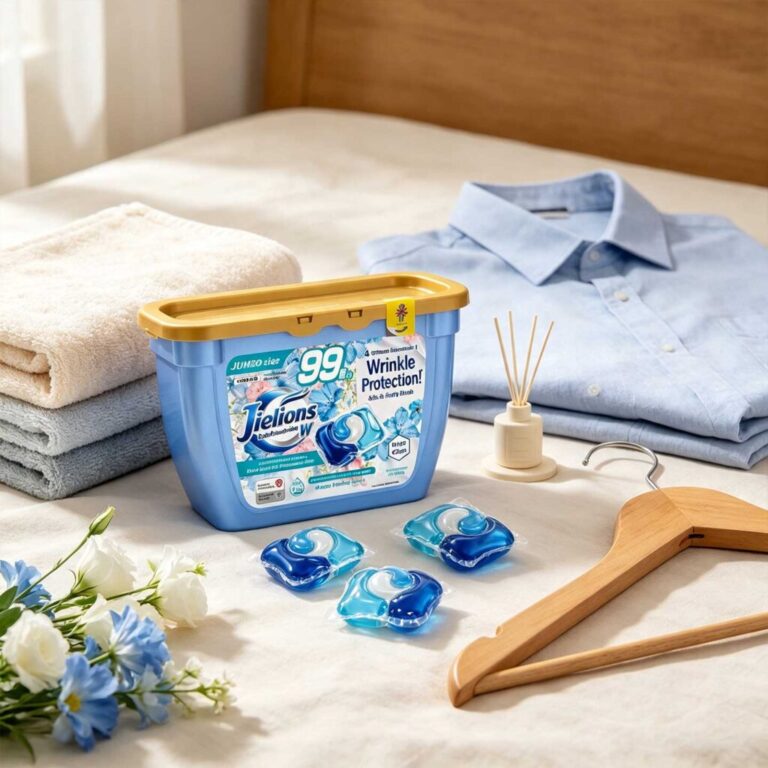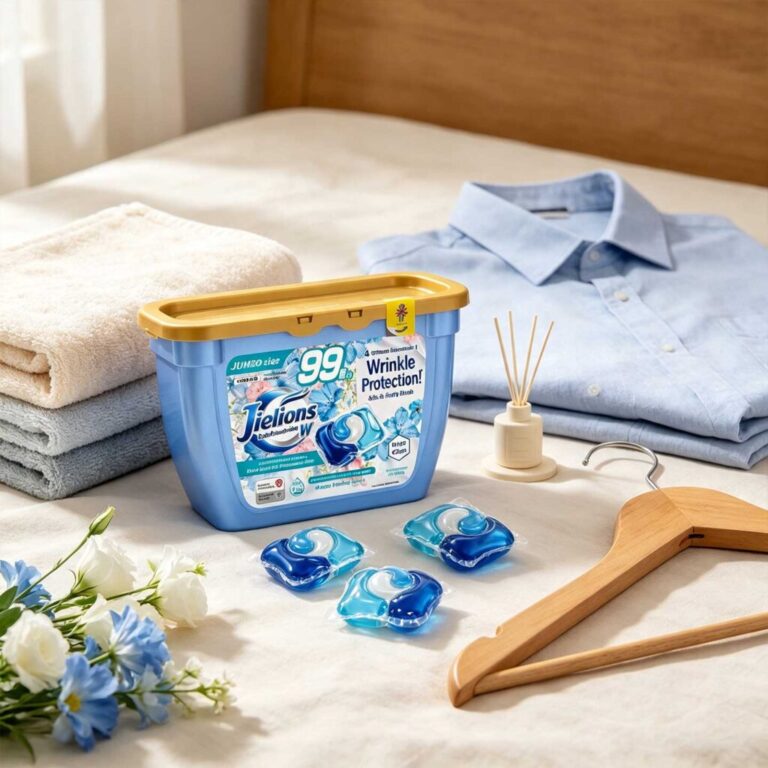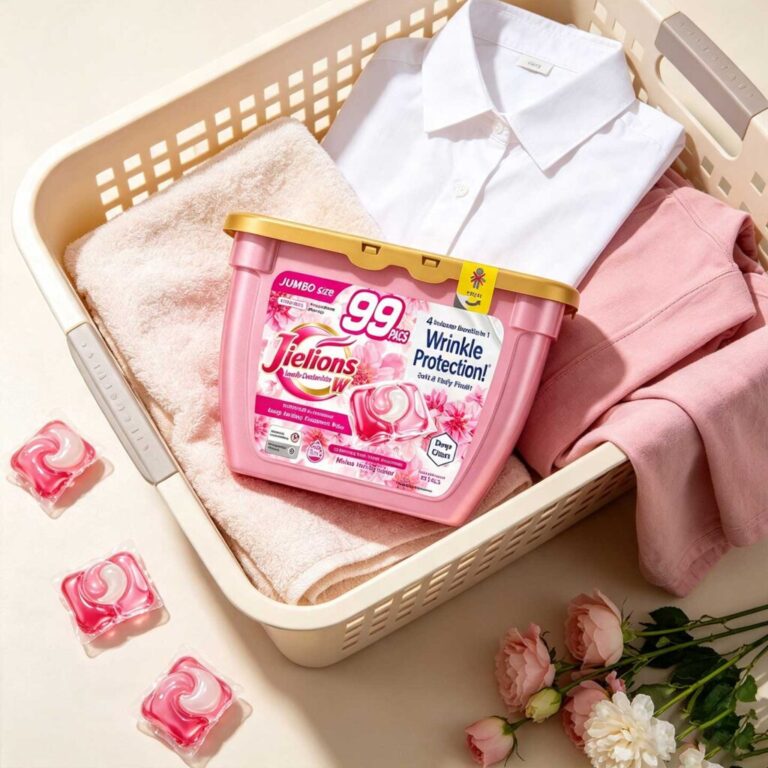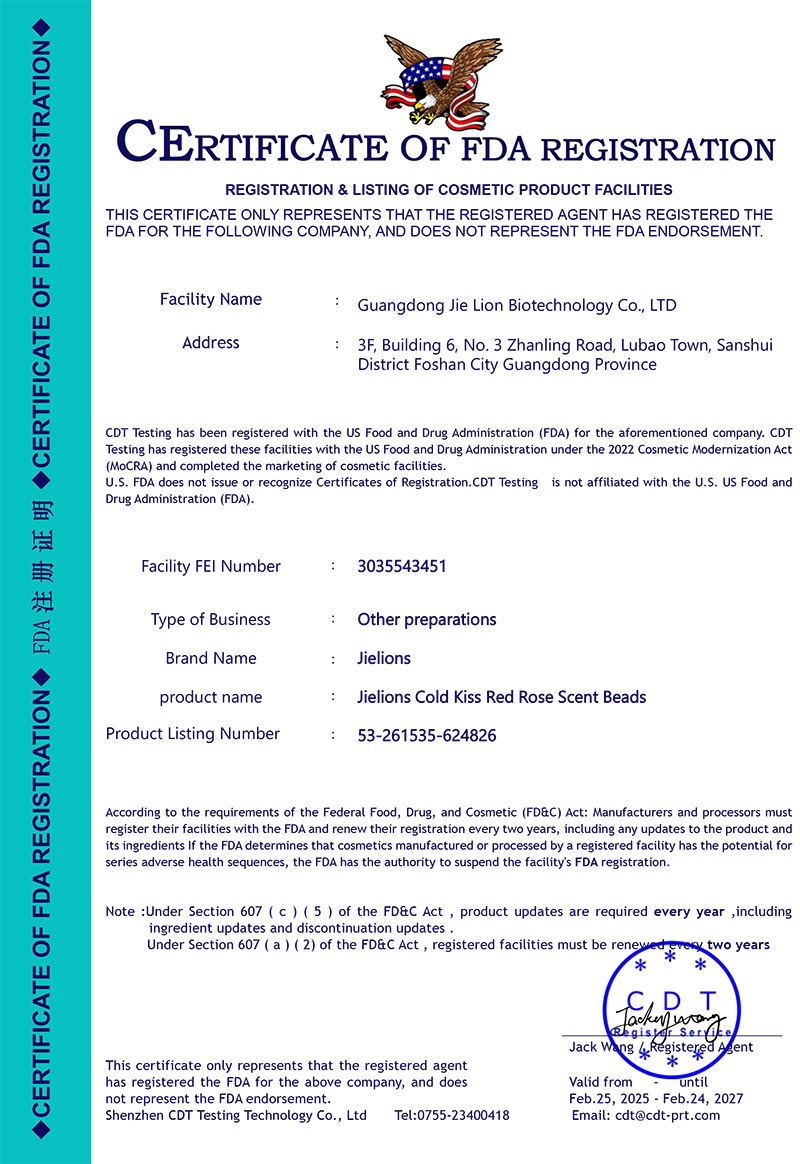
The phrase “99% sanitize and anti-mite” serves as a powerful laundry pod claim. However, buyers should never evaluate it based on packaging text alone. Retailers, distributors, private-label brands, and importers must verify specific details. They need to know what the lab tested and how the wash actually took place. They also must check if the final result applies to the exact formula they plan to buy. A solid verification process keeps consumers safe. It also reduces compliance risks. Furthermore, it allows buyers to compare suppliers with hard evidence instead of marketing slogans.
What Does a “99% Sanitize & Anti-Mite” Claim Mean?
This percentage only holds value when it connects to a specific test. Buyers must ask what “99%” truly represents. It could mean bacterial reduction or mite mortality. Alternatively, it might refer to physical mite removal, allergen reduction, or entirely separate results. These different outcomes are not interchangeable.
Which Microorganisms Were Tested?
A proper sanitizing report needs to identify every tested bacterium, fungus, or virus. It must list them by name and strain. The document should also show the microbial count both before and after the treatment. A 99% reduction translates to a 2-log reduction. Meanwhile, a 99.9% drop means a 3-log reduction. Therefore, buyers should never treat these two claims as the same thing.
Does “Anti-Mite” Mean Killing, Removing, or Reducing Allergens?
An anti-mite claim can point to several different effects. For instance, a product might kill live mites. It could also wash mites out of the fabric or lower the amount of mite-derived proteins. The test report must clearly define this endpoint.
The standard ISO 21326 outlines methods for testing textile products against house dust mites. Still, the selected testing protocol has to match the actual product. It must also align with the intended use conditions and the precise wording on the package.
Which Laboratory Tests Should Buyers Request?
A helpful report ought to recreate realistic product usage. It should not just prove that a single ingredient works by itself. The test conditions need to reflect the actual pod dosage and machine type. They must also account for water temperature, cycle time, fabric load, and the target market.
Was the Complete Finished Pod Tested?
Always ask if the laboratory evaluated the finished pod. Sometimes, labs only test the liquid from a single chamber or a separate antimicrobial ingredient. Data based solely on ingredients does not automatically prove the final product works. Factors like dilution, surfactants, enzymes, fragrance, and the pod film can alter overall performance. Actual wash conditions play a big role too.
The standard ASTM E2274 handles sanitizer evaluation for traditional top-loading machines. On the other hand, ASTM E2406 deals with high-efficiency washing setups. The correct method always depends on the intended use and the specific type of washer.
Were Realistic Wash Conditions Recorded?
The final report must list the exact pod dosage and load weight. It should also include water temperature, water hardness, and contact time. Furthermore, it needs to detail the machine type, wash cycle, control sample, and the total number of test repetitions.
A positive result achieved in warm water does not automatically back up a cold-water claim. This same rule applies to other variables. Quick cycles, heavy loads, handwashing, and high-efficiency machines all require their own specific proof.
Which Documents Prove the Claim?
No single file can answer every question a buyer might have. A strong evidence package brings together multiple items. It combines efficacy data with safety information. It also includes batch quality records and compliance documents specific to the target market.
Is the Test Report Complete and Traceable?
Make sure to check the laboratory name and its accreditation scope. You also need to look at the report number, date, and sample description. Review the testing method, final results, conclusion, and official signature. The tested sample must match the commercial formula or a clearly marked development code. Buyers should also ensure the formula remains exactly the same since the time of testing.
Are an SDS and ISO Certificate Enough?
No, they are not. An SDS or MSDS only covers safety hazards, safe handling, storage rules, and emergency steps. It simply does not prove any sanitizing or mite-removal performance. An ISO 9001 certificate builds trust in a factory’s quality management system. However, it cannot validate a specific efficacy percentage.
Because of this, the 99% claim demands a dedicated performance report.
Can the Supplier Link the Report to Production Batches?
You should request a detailed product specification and a certificate of analysis. Ask for their batch-code system, traceability records, and retained-sample policy. These documents help prove that ongoing commercial production stays consistent with the originally tested sample.
What Questions Should Buyers Ask Before Ordering?
Sending a standard supplier questionnaire helps prevent vague answers. It also ensures that testing, documentation, and labeling costs get factored in before setting the final price.
Can You Provide the Full Report?
A simple summary might leave out important organisms, controls, test conditions, or limitations. Always ask for the complete report. Furthermore, confirm if you can use it for retailer reviews or official product registration.
Does the Evidence Cover Our Customized Formula?
Making changes to the fragrance, color, or active ingredients can affect the existing evidence. The same applies to changes in pod weight, chamber design, or dosage. You must ask the supplier which modifications will require new testing or a fresh laboratory assessment.
Is the Claim Permitted in Our Target Market?
Terms like “sanitize,” “disinfect,” “antibacterial,” and “anti-mite” often fall into different legal categories depending on the country. You must review your label, product page, and advertising materials before the launch. Your market might require formal registration, approved wording, or even extra testing.
Why Choose Guangdong Jieshi Biotechnology Co., Ltd. as a 5-Chamber Laundry Pods Supplier?
Guangdong Jieshi Biotechnology Co., Ltd. focuses deeply on laundry and personal care products. The company offers comprehensive OEM/ODM services. These services cover formula development, sampling, and strict quality control. They also handle customized fragrance, color, packaging, third-party testing, and registration support.
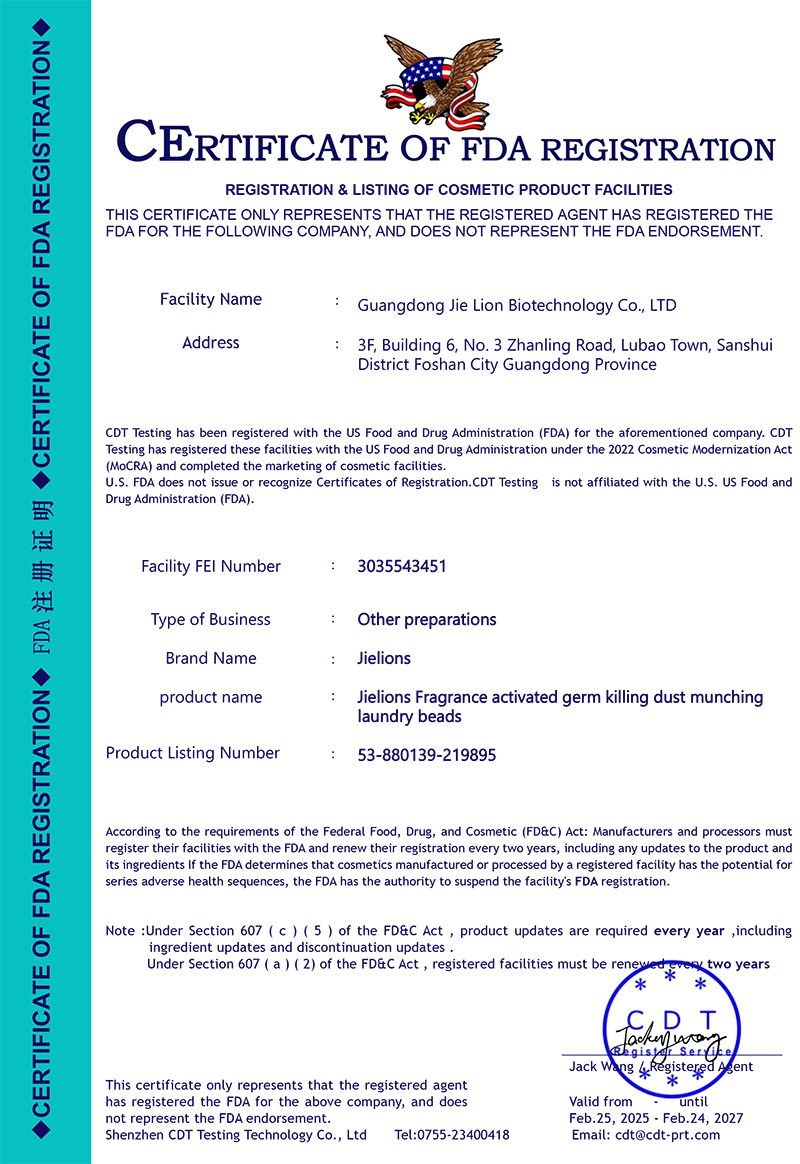
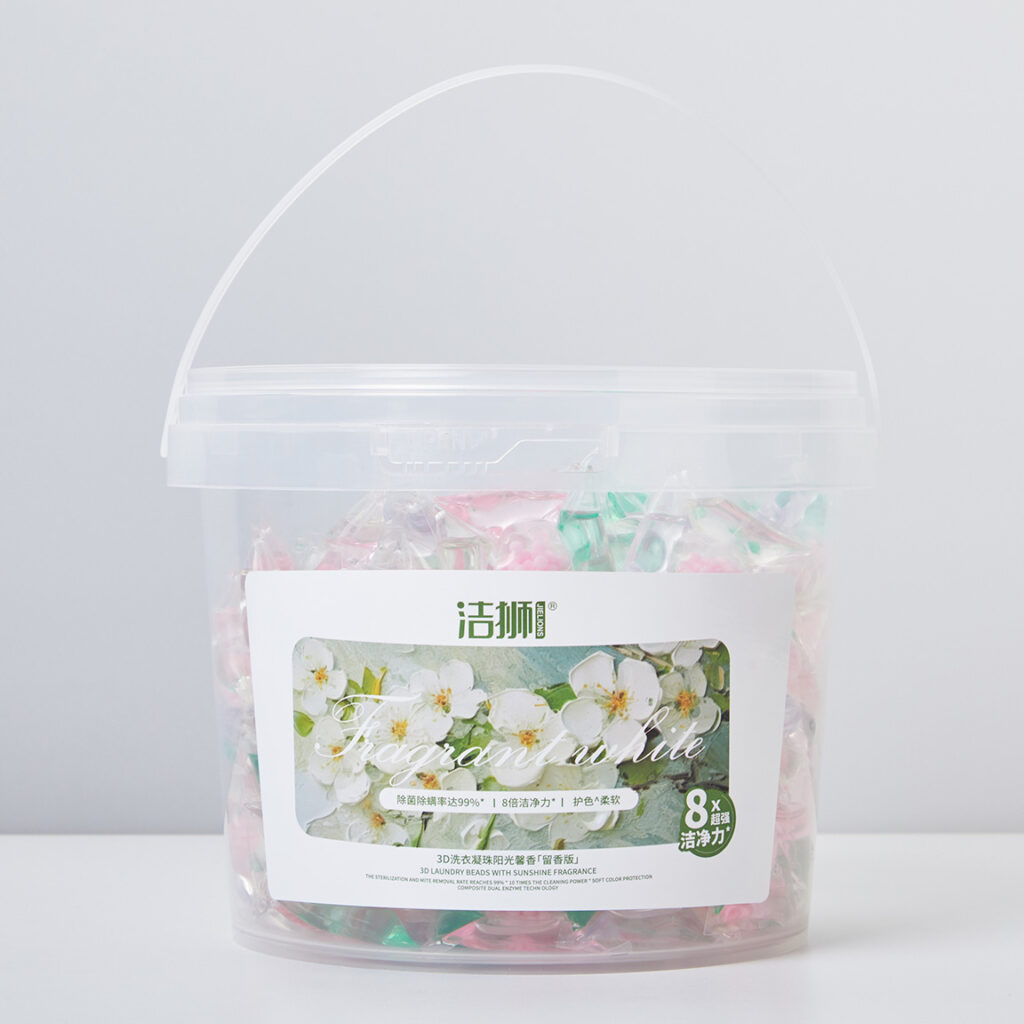
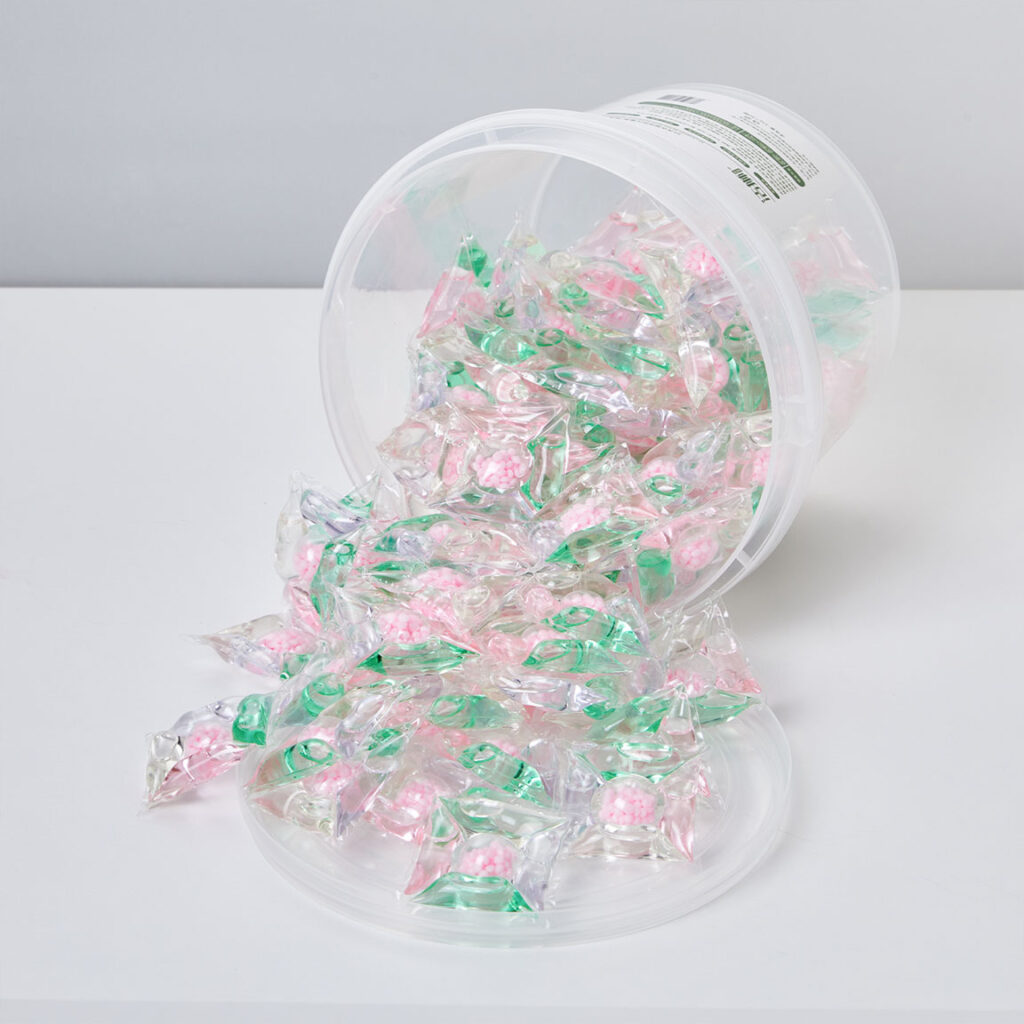
Their Clean Lion 5-Chamber Multi-Color Laundry Pods come as an 11 g, 80-piece family pack. These pods feature 8X concentrated cleaning power, color protection, and low-foam rinsing. They also use a water-soluble film and feature a pleasant pear blossom fragrance. Additionally, they carry a stated 99% sanitization and mite-removal function. Buyers can fully customize the packaging, color, and fragrance for private-label projects.
Conclusion
A reliable 99% claim must link the exact finished product to a suitable test method. It needs to include named test targets, realistic wash conditions, and a complete laboratory report. Buyers should also carefully review safety documents and batch controls. They must check formula-change policies and local claim rules. Following this evidence-based approach lowers sourcing risks. It also greatly improves communication with both retailers and consumers.
FAQs
Can an MSDS Prove a 99% Sanitizing Result?
No, it cannot. An MSDS or SDS serves purely as a safety and handling document. You will need a separate efficacy report to support any numerical sanitizing claim.
Must Every Customized Formula Be Retested?
This is not always necessary. However, changes to antimicrobial ingredients or dosage can affect the final result. The same applies to changes in chamber composition, pod weight, or use instructions. Buyers should always secure a written assessment directly from the supplier or the testing laboratory.
What Is the First Document a Buyer Should Request?
You should start with the complete third-party efficacy report. This document shows exactly what the lab tested and how they performed the test. It also reveals whether the final result truly matches the proposed marketing claim.