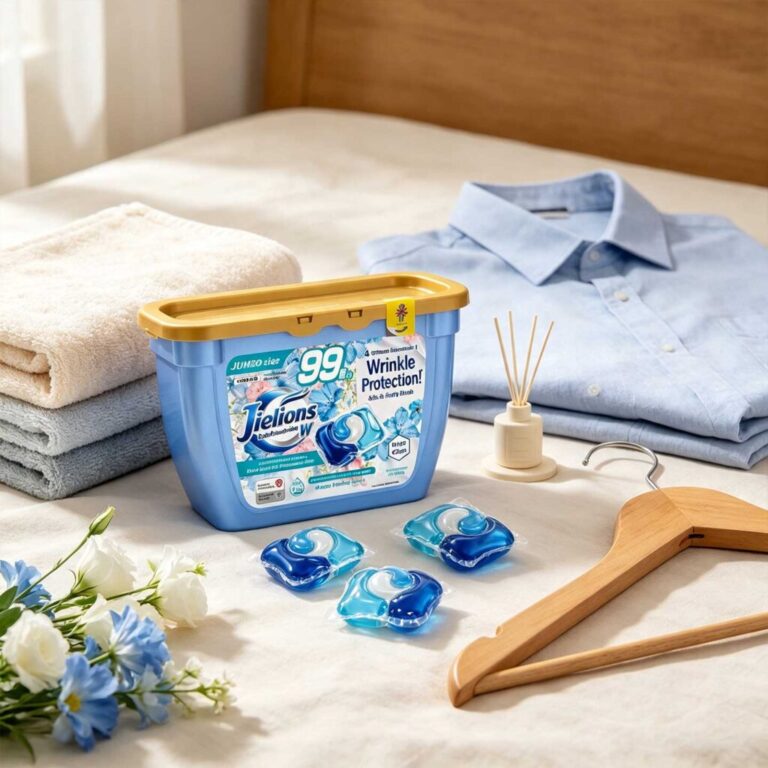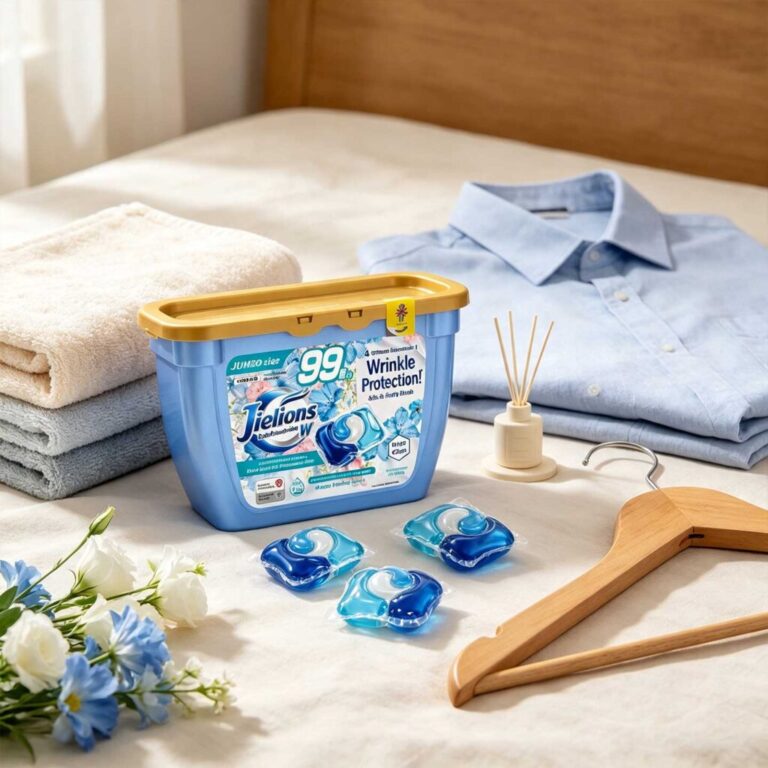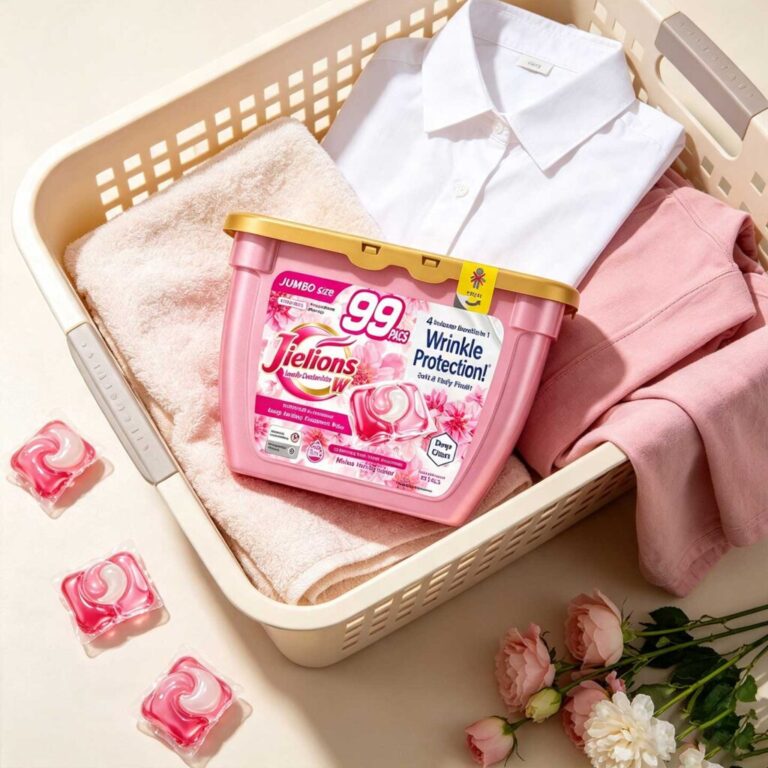
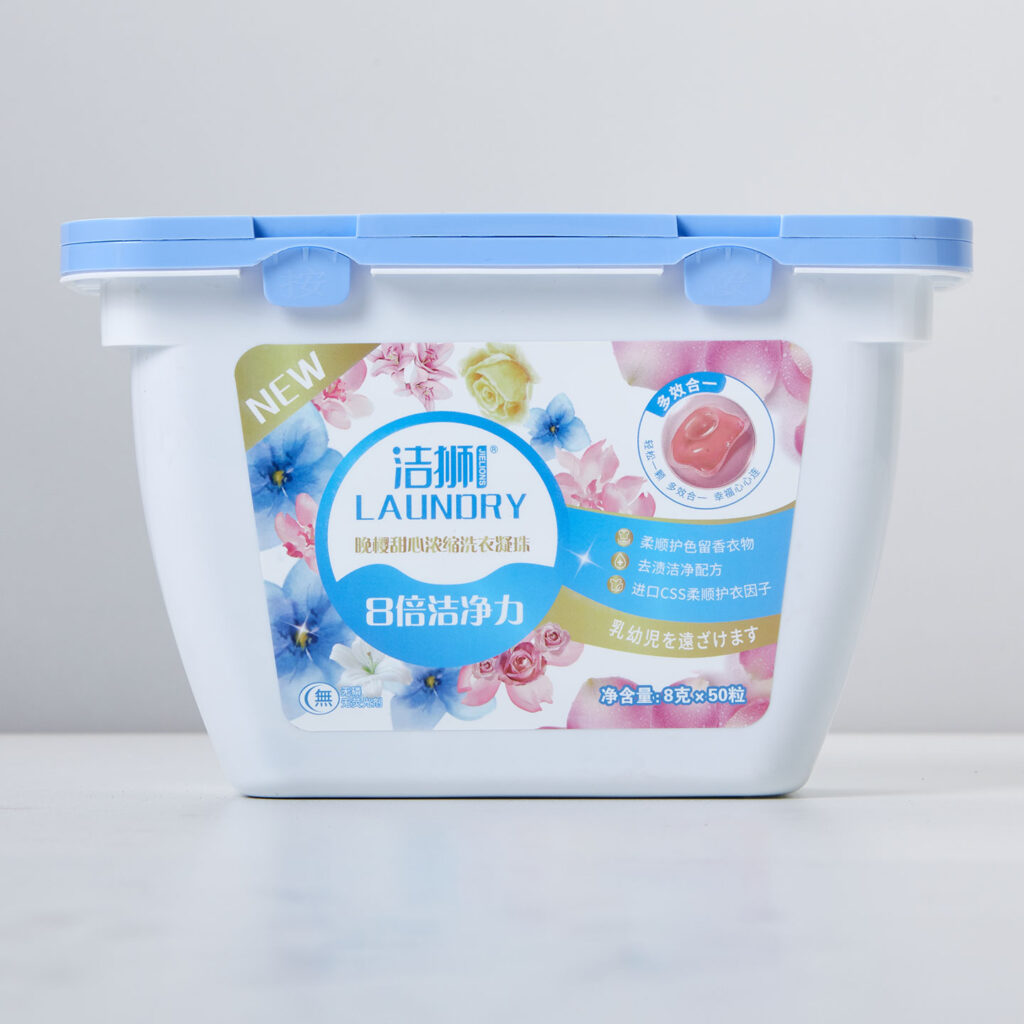
Laundry pods make washing highly convenient. However, finding a sticky film or a partly dissolved capsule on your clean clothes can feel quite frustrating. Several factors affect how well a pod dissolves. These include cold water, an overloaded drum, short washing cycles, and unsuitable storage methods. Below, you will find eight common causes for these issues. We also share practical ways to improve your results in cold water, quick wash programs, and high-efficiency machines.
Why Do Laundry Pods Leave Residue on Clothes?
A pod must become completely wet during the wash. At the same time, the clothing needs to move freely around it. If this natural process is restricted, the outer film might soften but fail to disperse entirely. Appliance guidelines point out several frequent causes for partly dissolved pods. These mainly include incorrect placement, overloading the machine, using very cold water, and running shortened cycles.
1. Was the Pod Added After the Clothes?
A pod placed on top of your laundry can easily get trapped. It might hide inside a sleeve, a thick towel, or a folded sheet. You should put it at the back or the bottom of the empty drum before you load your garments. Furthermore, do not use the detergent drawer. You should only do this if the washer instructions specifically permit pods in that section.
2. Is the Drum Overloaded?
Tightly packed clothing significantly restricts water circulation. It also stops the clothes from tumbling properly. Consequently, the pod might be compressed between heavy garments and receive too little water. You need to reduce the load size. This is particularly important for large towels, thick bedding, heavy jeans, and other bulky fabrics.
3. Is the Incoming Water Extremely Cold?
Many pods are specially manufactured for cold washing. Nevertheless, very low inlet temperatures can considerably slow down the film’s dissolution. You should select a cool or warm setting whenever the garment care labels allow it. Additionally, a longer cold-water cycle might give the pod more time to dissolve completely.
4. Is the Quick Wash Program Too Short?
A quick wash is typically intended for small, lightly soiled loads. A short program often provides less soaking and rinsing time. Therefore, you should use a normal cycle for full, heavily soiled, or bulky laundry loads.
5. Was the Pod Put in the Dispenser?
Most single-dose pods are specifically designed for direct drum placement. You must follow the pod label and the appliance manual carefully. When drum placement is clearly specified, add the pod before the clothes. Do not place it in the liquid or powder detergent compartment.
6. Is an HE Washer Using Too Little Accessible Water?
High-efficiency washers naturally use less water. This makes correct loading especially crucial. You must add the pod first. Then, leave enough open space for the garments to tumble freely. Do not assume that adding extra detergent will improve the overall performance. In fact, excessive detergent can create serious rinsing problems.
7. Was the Cycle Interrupted?
A paused program can cause issues. Similarly, low water pressure or an early cycle termination can leave a pod only partly dissolved. You should confirm that the inlet valves remain fully open. Also, ensure the machine fills normally and the selected cycle finishes completely.
If residue appears repeatedly, you must check the washer. Ensure it is receiving sufficient water throughout the entire program.
8. Has Moisture Damaged the Pod?
Wet hands can easily damage the product. High humidity or an unsealed container can also make pods sticky. This moisture weakens the outer film. You must always handle them with dry hands. Close the package promptly after use. Finally, store the container in a cool, dry location completely away from children.
How Can You Remove Laundry Pod Residue Safely?
Do not place the affected item in a hot dryer until the mark has completely disappeared. Heat can make the sticky residue much more difficult to remove. You must always check the garment care label before you decide to use warmer water.
What Should You Do First?
You should rinse the affected area thoroughly with warm water. Make sure this temperature is safe for the specific fabric. Gently loosen the softened film with your fingers. Do this without any forceful scraping.
If the residue remains visible, rewash the garment. Do this without adding another pod. Use the warmest temperature permitted by the clothing care label. Also, choose a cycle that provides sufficient water and thorough rinsing.
When Should You Inspect the Washer?
Residue might appear in several different loads. If this happens, check the drum, the door seal, the filter, and the dispenser. Look closely for any hidden detergent buildup. You must confirm that the machine fills and circulates the water correctly.
Persistent problems might require a dedicated washer-cleaning cycle. Alternatively, you may need to perform maintenance according to the appliance manual.
How Should You Use Pods in Cold Water, Quick Wash, and HE Machines?
You need to match the load, the cycle, and the detergent dose carefully. This gives the pod enough direct contact with moving water. The following practical habits can greatly reduce the risk of residue in common washing conditions.
What Works Best in Cold Water?
First, place a cold-water-compatible pod directly into the empty drum. Keep the laundry load moderate in size. Avoid using extremely short wash cycles. During very cold winter weather, you might want to use a slightly warmer setting. Do this only if the textiles permit higher temperatures.
Extremely cold water can noticeably reduce detergent dissolution. It also lowers the overall washing performance, particularly during the winter months.
What Works Best in a Quick Wash?
You should use a quick wash only for a small amount of lightly soiled clothing. Avoid washing bulky fabrics on this setting. Furthermore, do not exceed the recommended detergent dose.
You must choose a standard cycle when the load needs stronger cleaning. Standard cycles also provide longer agitation and much more thorough rinsing.
What Works Best in an HE Washer?
Use a pod that is suitable for HE machines. Follow its specific dosage directions carefully. Always leave enough drum space for the garments to move around. Adding extra pods might actually increase the residue rather than improve the cleaning results.
The pod should be placed where it can quickly contact the incoming wash water. Normally, this means putting it at the bottom or the back of the empty drum.
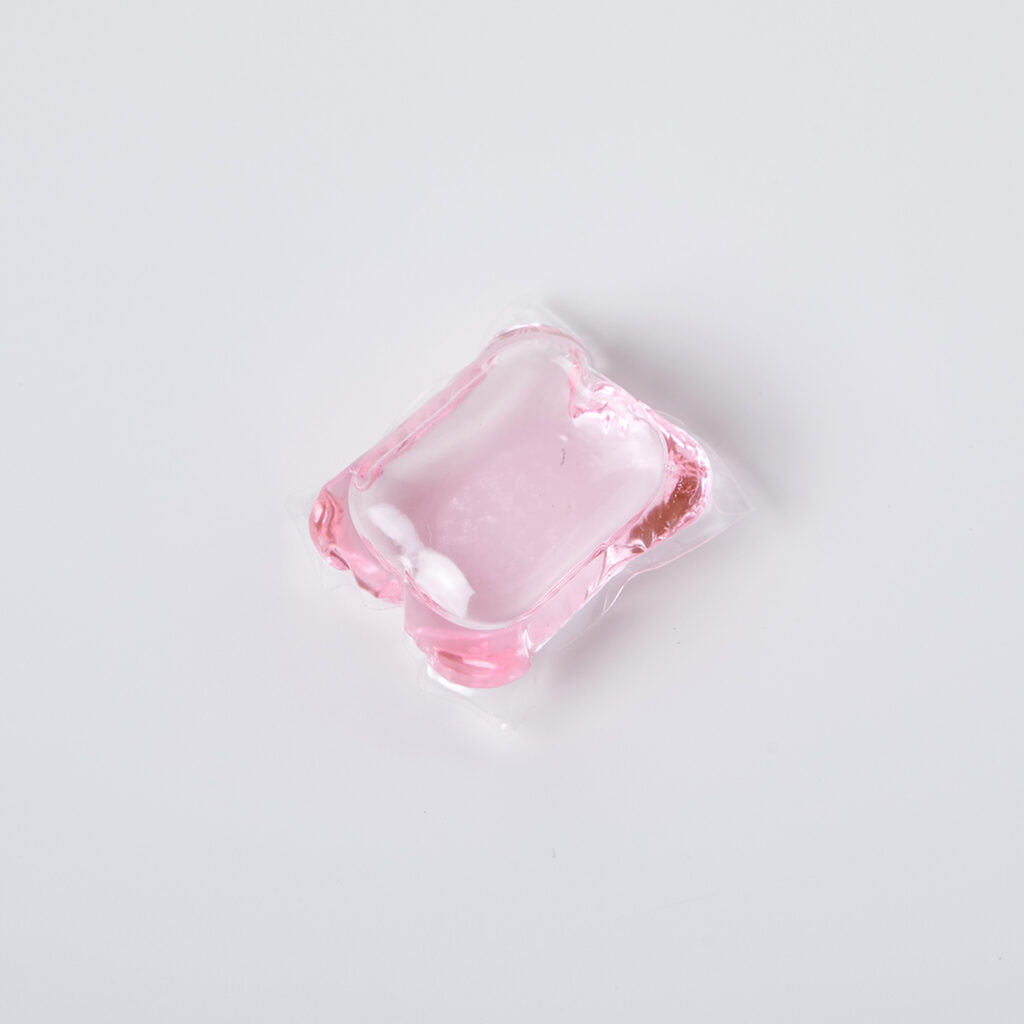
Why Is Guangdong Jieshi Biotechnology Co., Ltd a Reliable Laundry Pods Supplier?
Selecting a reliable supplier is extremely important for retailers, distributors, wholesalers, and private-label brands. These businesses constantly seek consistent laundry pod quality.
What Can Jieshi Provide for Brand Customers?
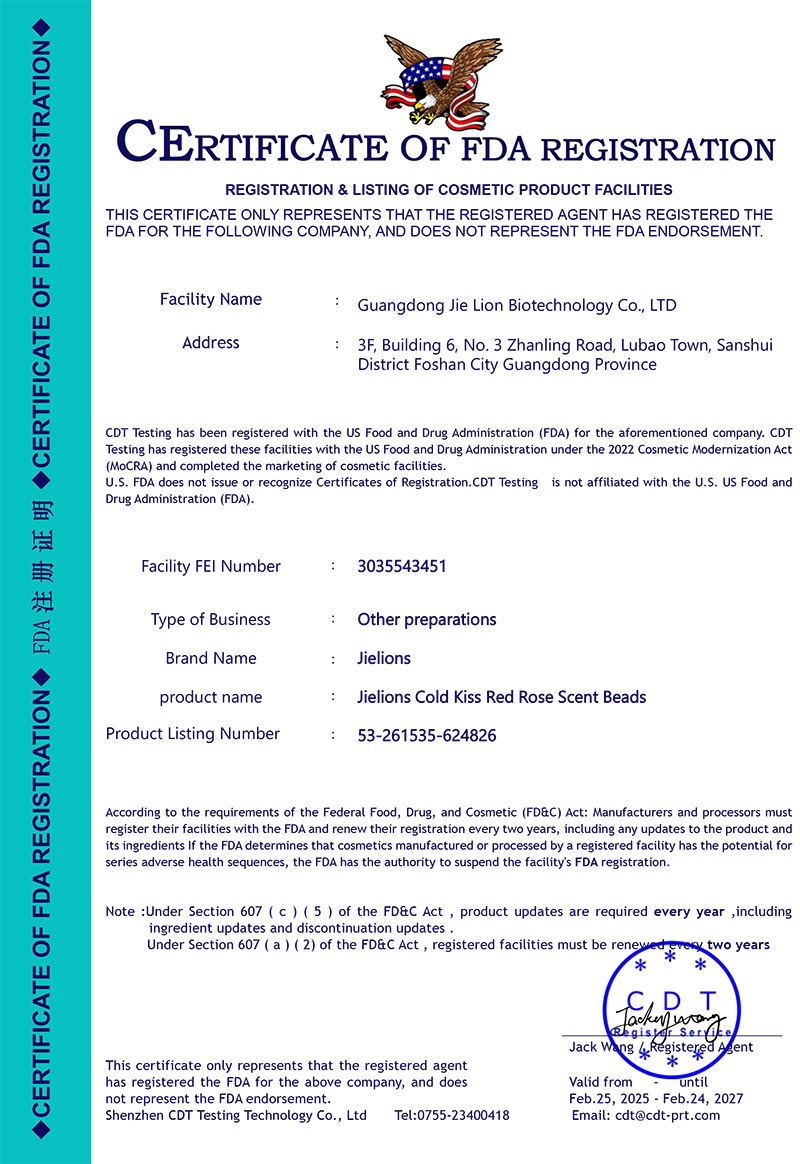
Guangdong Jieshi Biotechnology Co., Ltd proudly offers OEM and ODM support. They provide this for laundry pods and various other household cleaning products. Its professional services include the customization of fragrance, color, shape, and function. They also customize the pod size, chamber format, and outer packaging.
The company presents strong in-house R&D capabilities. They feature automated production lines and strict quality inspection. Furthermore, they offer packaging support and comprehensive supply-chain services. All these form part of its efficient one-stop manufacturing solution.
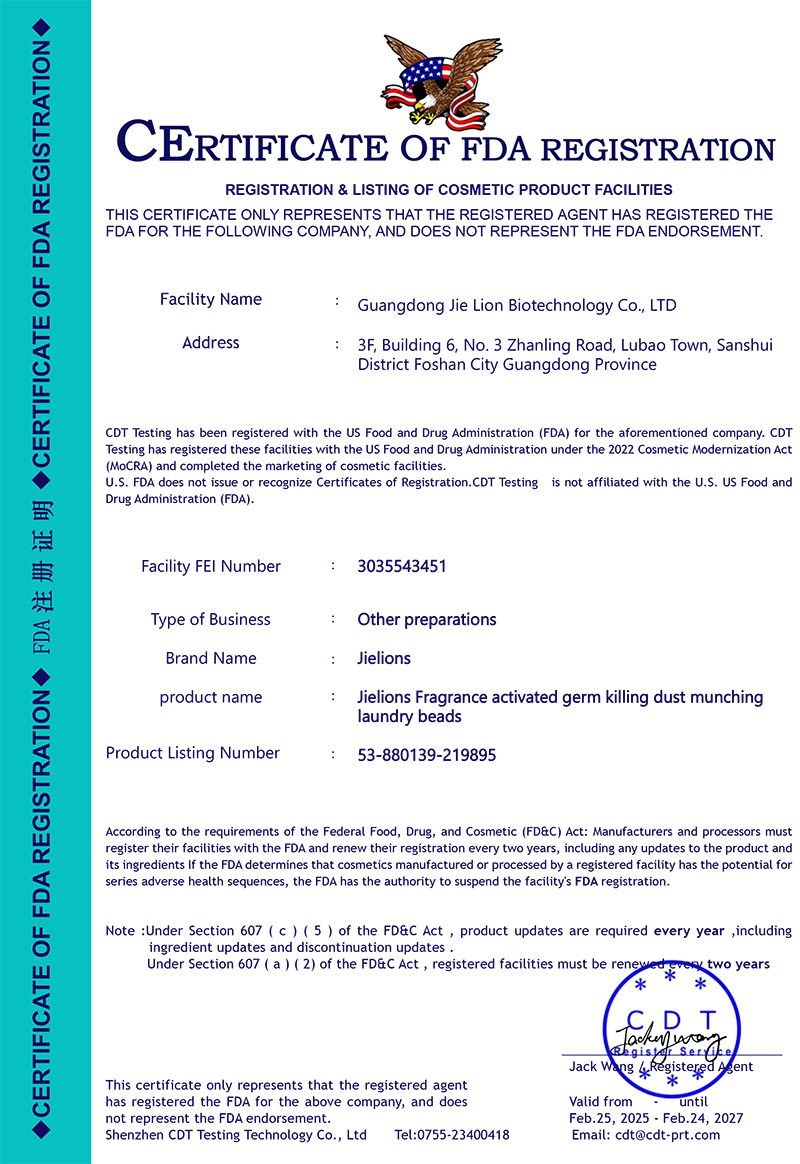
Jielions Cherry Sweetheart Laundry Pods are supplied in a convenient 50-count moisture-proof flip-top box. The product is described as featuring 8X concentrated cleaning power. It offers excellent color care and fabric softening. The pods have a pleasant cherry blossom fragrance. They feature a phosphorus-free formula with no fluorescent brightener. Finally, they are fully compatible with different washing-machine types.
Commercial customers can easily request customized fragrance, color, and packaging options. This helps them perfectly match their specific brand positioning and target market.
Conclusion
Correct placement is always the first crucial step. Put the pod directly into the empty drum before adding any clothes. Keep the laundry load loose. Select a washing cycle that is suitable for the load size and the soil level. Avoid exceptionally cold water whenever it is possible. Finally, always store the pods in dry, safe conditions.
These simple daily habits improve dissolution, detergent circulation, and overall rinsing. They also help reduce unnecessary rewashing. If residue continues despite correct usage, you should inspect the washing machine. Check its water supply, its loading capacity, and its general maintenance condition.
FAQs
Do Laundry Pods Dissolve in Cold Water?
Many laundry pods are specifically formulated for cold water. However, extremely low temperatures can cause problems. Overloading, poor pod placement, and very short cycles can also delay the dissolution process. Adequate wash time and proper water circulation remain highly important.
Can I Put a Laundry Pod in the Detergent Drawer?
Usually, you should not do this. Most single-dose laundry pods must be placed directly in the empty washer drum before the clothes. You should always follow the explicit directions supplied with both the detergent and the washing machine.
Does Residue Mean the Laundry Pod Is Defective?
Not necessarily. A single isolated incident is often caused by incorrect pod placement, improper load size, wrong water temperature, or a bad cycle selection. Repeated residue under correct washing conditions might indicate a washer problem. Alternatively, it could justify contacting your laundry pod supplier for advice.