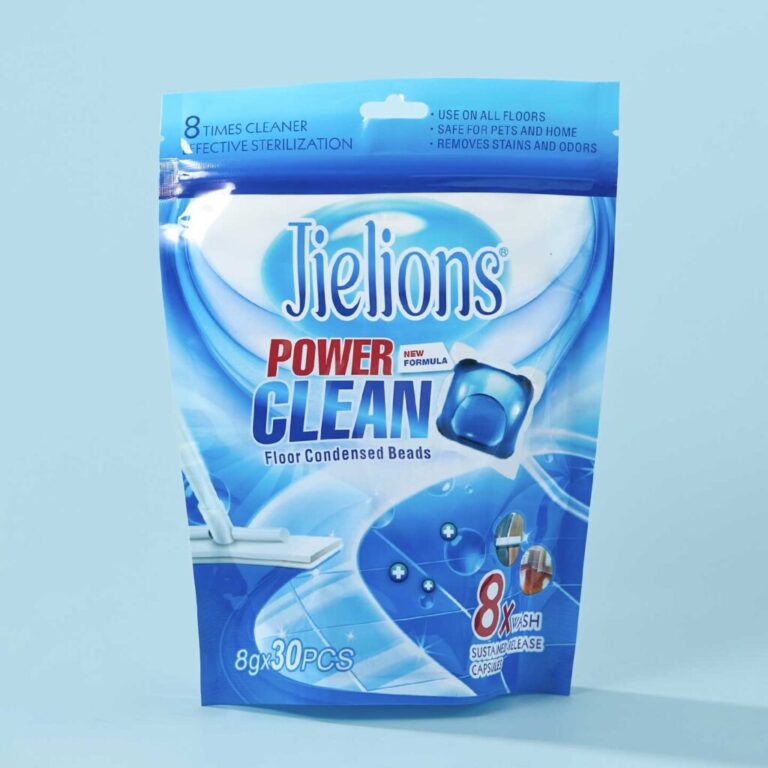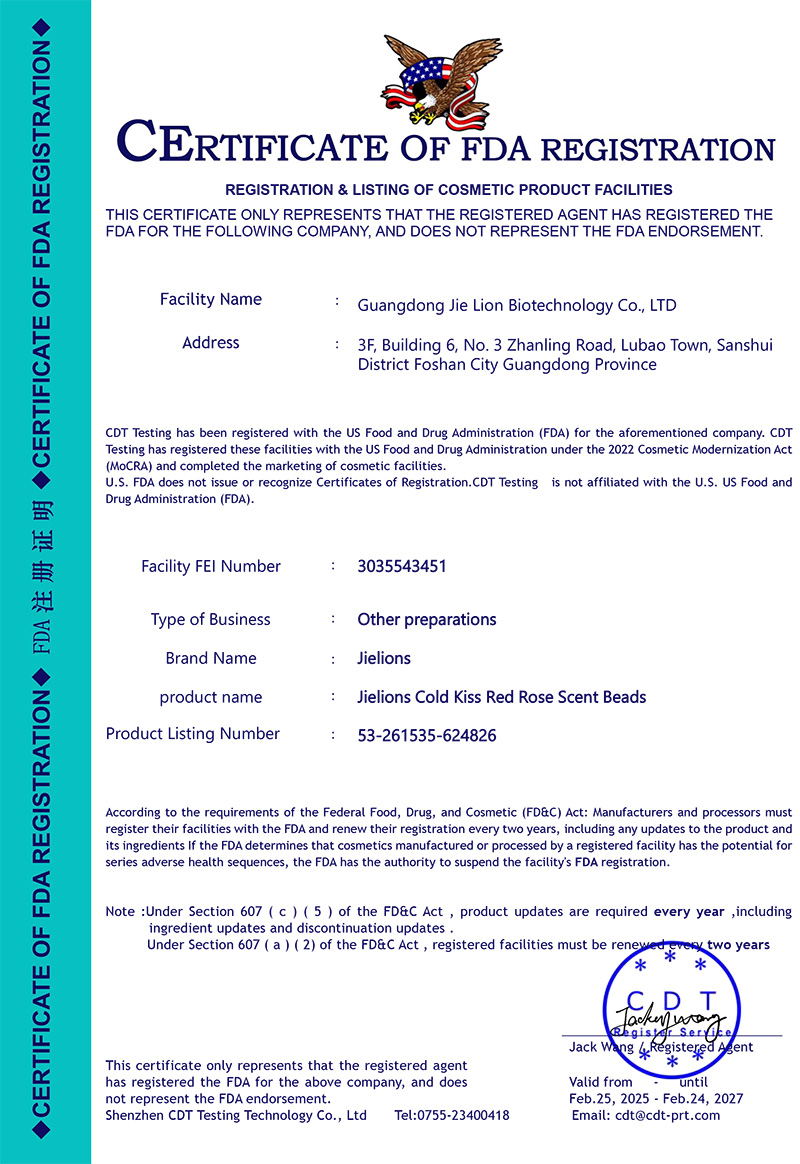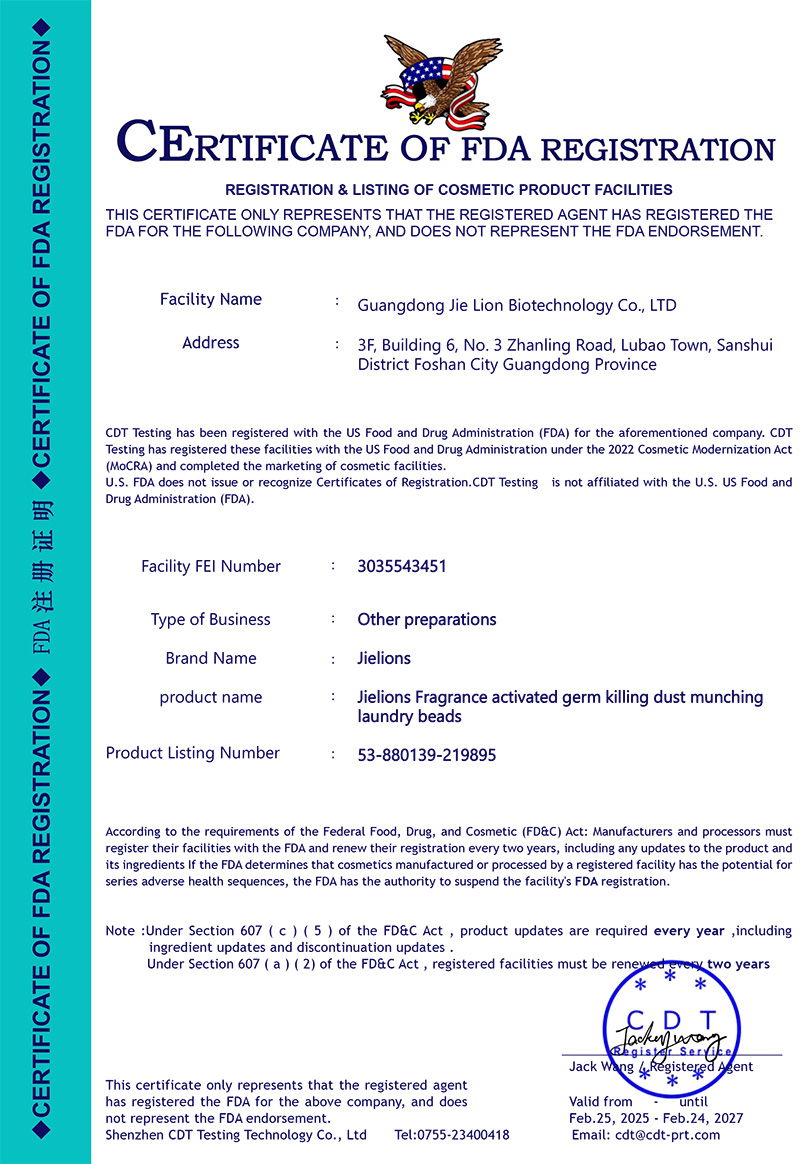
A laundry pod can smell appealing when its pack is opened but leave a very different impression after washing and drying. For a private-label brand, fragrance approval should therefore answer more than “Which sample smells best?” It must identify the product being evaluated, the conditions behind the decision and what will be compared if the fragrance changes before the next order.
JIELIONS offers fragrance selection and customization as part of its laundry pod OEM/ODM development service. Its published process includes fragrance selection, physical samples and evaluation before mass production. The checks below are a practical buyer-side approach, not a claim that every test or record is automatically included in a standard JIELIONS order.
Brands often receive a blotter, a pod sample and a proposed retail pack during the same development round. They are not equivalent references. A blotter can narrow a scent direction; a finished laundry pod shows that fragrance inside the actual detergent format; a washed garment shows how the fragrance is perceived after contact with water, fabric and the wash process.
Tell the supplier which decision is due. At an early stage, the team might select two fragrance directions for formulation. Later, it may need to approve one finished-pod sample for a particular SKU. Neither decision should be mistaken for final packaging approval or proof of a quantified fragrance-duration claim.
A useful fragrance brief identifies the target customer, desired scent family, acceptable intensity, market, washing conditions and positioning. “Fresh floral, noticeable after drying but not overpowering” gives more direction than “long-lasting fragrance.” Include any market-specific ingredient, allergen-disclosure or labeling questions for the supplier to confirm; the applicable requirements depend on the destination and formulation.
1. Initial scent direction
When reviewing scent strips or fragrance oils, judge the overall character, intensity and fit with the brand. Code the options so reviewers are not led by an attractive name. Keep notes on what people actually perceive—such as powdery, citrus-like or strongly floral—without treating subjective preference as a measured product benefit. This stage is useful for shortlisting, not for releasing a finished laundry pod.
2. Fragrance in the finished pod
Review the proposed scent in the actual pod formulation and intended dose. Detergent ingredients, film and storage can change the impression compared with a fragrance strip. Note the sample version, whether the pod was sealed, how it was stored and whether a strong odor is only noticeable when the container is opened. Check that competing candidates use a comparable product format before attributing differences solely to fragrance.
3. Scent on fabric after washing
If the customer promise concerns clean laundry, a wash trial is essential. Check the scent on fabric after drying and, if relevant, after a pre-agreed storage interval. A pleasant odor from an unopened pod does not establish what customers will notice on a shirt. Fabric type, drying method, wash temperature and storage conditions can all affect the impression; record them rather than treating one trial as a universal result.
The objective is not to turn every sourcing review into a laboratory study. It is to compare candidates fairly enough for a product decision. Use the same agreed pod dose, machine program, load composition, water conditions and drying method for the candidates being compared. If a variable cannot be controlled, record the difference and limit the conclusion accordingly.
Give reviewers neutral sample IDs and ask for independent notes before the group discussion. Separate four questions: Does the fragrance fit the brief? Is the strength acceptable after washing? Is it still appropriate after drying or storage? Are there unexpected odors or interactions with the product? Capture specific comments rather than only a score such as “8/10.”
Commercial teams should also decide whether a small internal panel is enough or whether the launch warrants a larger consumer evaluation. An internal preference vote can guide development; it is not evidence that consumers in an entire target market will prefer the same scent. A statement such as “72-hour freshness” needs its own substantiation for the exact product and claim conditions.
A scent the team likes does not automatically approve cleaning power, water-soluble film behavior, leakage resistance or label safety. These checks belong to the finished product evaluation and may need different methods. The fragrance decision should state whether it covers only sensory preference or the specific completed pod formulation.
One useful approval sentence is: “Fragrance option F-03 is accepted for the proposed finished-pod trial; cleaning performance, packaging artwork and destination-market claims remain under review.” When the project reaches production approval, link the final scent to the exact pod/SKU reference and any remaining conditions. The words “approved fragrance” should not quietly expand into “all product claims approved.”

Repeat orders need a clear rule for changes that might affect the approved scent. Ask the supplier to identify what changed and whether the finished-product fragrance could be affected. The response should drive the level of review, not a blanket assumption that every administrative update requires a full sensory study.
| Change reported | Buyer-side review to consider |
|---|---|
| Document correction with no product change | Update the record once the parties confirm the product reference is unchanged. |
| Fragrance ingredient, supplier, concentration or blending revision | Request an impact explanation and compare a revised finished-pod sample with the approved reference. |
| Detergent formula, film or pod configuration change | Check whether fragrance perception or performance could change; repeat the relevant finished-product and wash review. |
| Storage, transport or packaging conditions changed | Investigate possible scent loss or odor transfer and review a representative stored or shipped sample if needed. |
These are suggested decision routes, not universal pass/fail thresholds. The appropriate testing depends on the extent of the change, product risk, commercial agreement and applicable market requirements. If the supplier cannot establish whether a revised pod matches the approved reference, leave the change unresolved rather than silently replacing the old approval.
For repeat production, retain a retrievable approval record: final sample identifier, SKU, fragrance name or code, relevant revision, approval date, decision-maker and outstanding conditions. If a physical reference is stored, agree who holds it, under what conditions and when it must be replaced. Fragrance can evolve during storage, so an old or damaged reference may not remain suitable for comparison indefinitely.
Before a new batch is released, confirm that the order refers to the current approved version and ask whether any relevant fragrance or formula changes were made. Where the supply agreement provides batch comparison samples or quality documentation, compare them against the agreed reference under a consistent review method. Batch identifiers support traceability; by themselves they do not prove scent consistency.
Keep customer complaints specific. “The fragrance has changed” should lead to questions about the affected lot, date, packaging condition, storage and comparison sample—not an immediate assumption about the perfumer or formula. The supplier can then investigate the right batch with the relevant records.
Start by selecting the appropriate product format from the JIELIONS laundry pods range. The category includes several scented laundry pod formats; these are starting points for a discussion, not proof that any two fragrances will perform identically in a private-label formula.
Send a short inquiry describing the target market, proposed pod format, desired scent family, acceptable intensity, initial sample quantity and the decision your team will make at the next review. Ask which fragrance options can be sampled in the proposed pod, what information will identify each revision, and how formula or fragrance changes would be communicated during repeat production.
For project-specific availability, sampling terms and written confirmation of the change-control arrangement, contact JIELIONS. Avoid assuming a fixed sample lead time, MOQ or testing package without a quotation for the exact project.
The best fragrance sample is not simply the one that smells strongest in its container. Private-label brands need to compare scent direction, the finished pod and the washed fabric before deciding what they have approved. Once that decision is attached to a specific product version, later fragrance changes can be reviewed deliberately instead of disappearing inside a repeat order.
Can a scent strip approve a private-label laundry pod fragrance?
A strip can help shortlist fragrance directions, but it cannot establish how the scent will behave in the finished detergent pod or on washed fabric. Use finished-product samples for the actual product decision.
What should a fragrance wash trial record?
Record the sample and pod references, dosage, fabrics, machine program, relevant water conditions, drying method, review timing and feedback. Note differences between candidates so the result is interpreted in context.
Does a pleasant scent after opening prove long-lasting freshness?
No. Container aroma and fragrance on dried clothing are different observations. A published duration claim needs evidence that matches the exact product, test conditions and intended wording.
When should a revised fragrance sample be reapproved?
Request another review when a fragrance ingredient, dose, supplier, formulation or other relevant condition might affect the accepted scent. The supplier and buyer should agree the scope based on the change and its possible effect.
How can a buyer check fragrance consistency across orders?
Identify the approved sample and formulation, ask about relevant changes, retain traceable batch information and agree how representative samples will be compared. Consistency needs an agreed evaluation method; a matching product name alone is not sufficient.