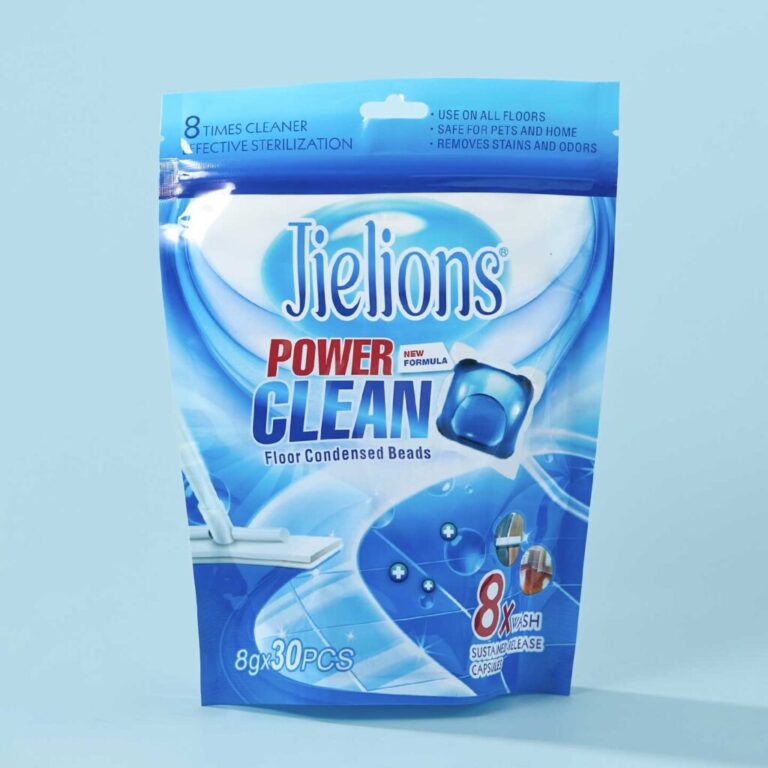
Here is a common quoting problem. The bottle quote is for 20 printed pods; the bag quote is for 30 unprinted pods. The two totals can sit in adjacent spreadsheet cells and still describe different offers. Ask the supplier to reprice the same count, print scope, closure or seal, and delivery assumption. Then handle the filled samples. That sequence gives the buyer something concrete to compare: how the proposed pack holds the selected pods, how it opens, and what the quote actually covers.
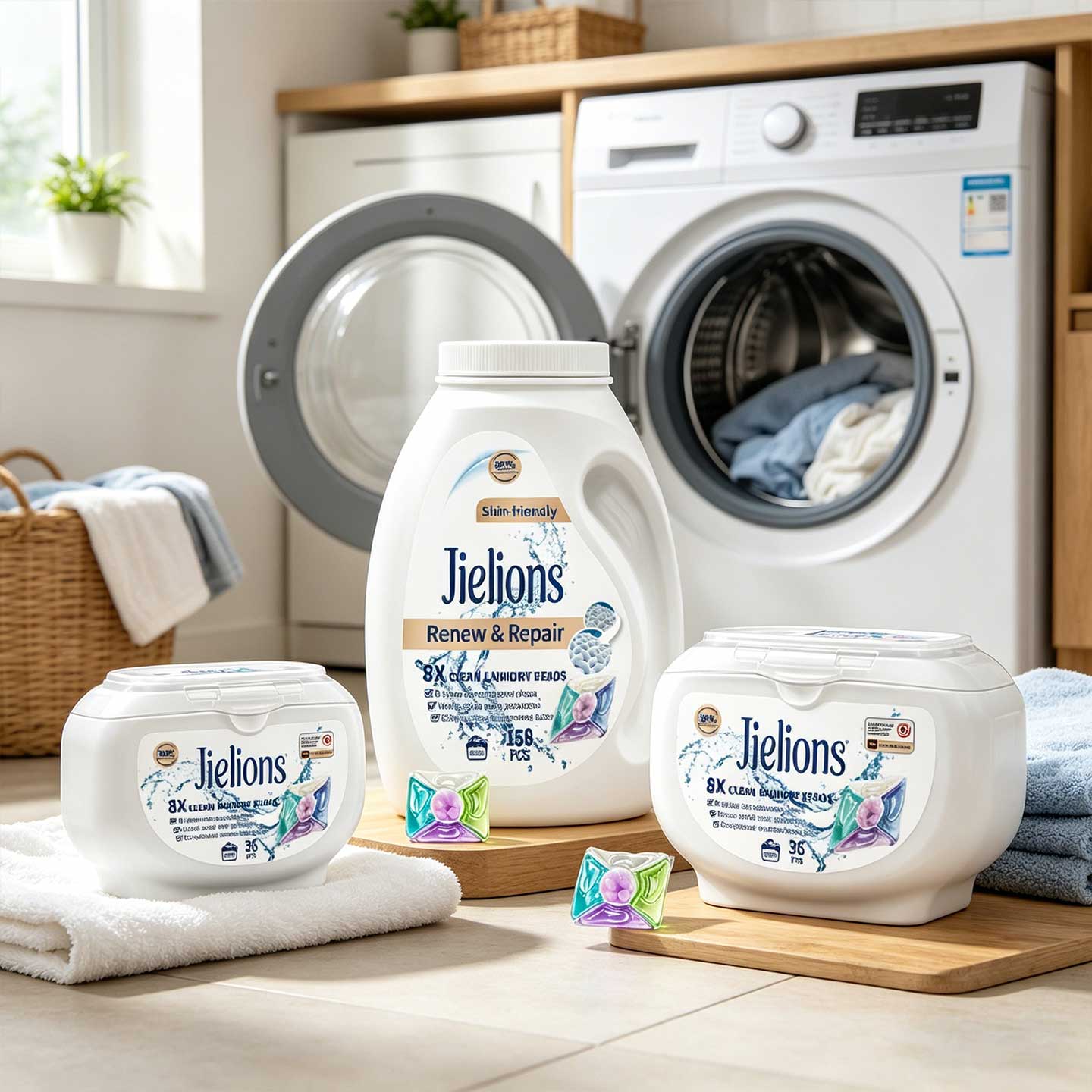
Where the pack goes after the first wash
Put equal attention on the opened pack. Where can a buyer find the directions on the second or tenth use? What will they do with the opening after removing a pod? For a proposed refill, make the intended use explicit in the brief: transfer to the first container, or keep the new pack in use. If transfer is assumed, check what happens for buyers who no longer have that container.
The sales channel changes what the team should put on the review table. For a store launch, use the filled pack to judge the visible panel and the space it occupies. For an online order, examine the filled pack as it would be shipped. Record what is being checked; otherwise a beautiful front-panel proof can be mistaken for approval of the entire package.
What to put on the sample table
| Format | Bring to the review | Look for |
|---|---|---|
| Bottle | Filled bottle with its proposed closure and printed label | Fit, readable directions and the opening experience |
| Bag | Filled bag with final style of seal and artwork | Usable opening, storage route and legible print |
| Refill | Filled refill and the container it is meant to follow | A clear transfer or storage method and matching count |
A photo can settle color direction. It cannot tell the team how a filled bag opens or whether the final instructions fit on the label. Put the real pack on the table. Open each filled pack and set it back down. Read the directions without enlarging a screen image. If the sample and quote differ in count, pod shape or print, write that variance on the sample record. The team can still learn from the mockup, but it has not approved the SKU it plans to sell.
On the sample record, put the sample code next to its quote number. Add the count, dimensions, closure or seal, artwork version and date checked. If a new bag arrives two days later, a colleague should know whether it replaces the first one, offers another construction or is only a color mockup. If 30-count artwork sits on a 20-count sample, leave that mismatch in plain view. That record lets the next buyer find the handled item and the unanswered question without reconstructing the email chain.
For the refill, place the first pack beside the proposed repeat pack. If pods must be transferred, the instructions and opening should support that act. If the repeat pack stays in use, review its own storage and directions. The word “refill” alone leaves both questions unanswered.
Keep the pod specification attached to the pack
The current Jielions OEM/ODM material mentions pod chamber choices alongside shape, fragrance, color, function and outer-pack customization. That gives the buyer useful topics for an inquiry. It does not identify a finished combination for this order. Put the selected pod and packaging on one sample request. If the pod changes after that request, reopen the fit check; if the label wording changes, reopen the print proof.
One artwork field should point to the evidence behind any performance language. Antibacterial, biodegradable, low-allergy and cold-water statements are examples that need product-specific support and market-specific wording review. A signed graphic proof records the placement and spelling of a claim; it cannot verify the claim itself.
Write the RFQ so replies line up
Put both formats in one RFQ and keep the product assumptions identical. State the pod type and count, desired packaging direction, intended market, package language, artwork status and delivery destination. Ask each quotation to identify the material and closure or seal it assumes, whether printing is included, and which physical sample represents it. Leave an explicit “to confirm” field where the answer is not yet known.
That last field matters. Provisional numbers have a place in the planning sheet. Put “count assumed” and “printing included?” next to each one. Do the same for MOQ, lead time and requested documents, asking the supplier to confirm these for the exact version under discussion. Once a different sample or artwork is chosen, refresh the commercial record rather than carrying the old numbers forward. Before sending the request, enter the known fields: target count, language, selling channel and destination. Mark the rest as open instead of guessing. A supplier can price an open field, but the reply should show that assumption clearly. Keep that assumption beside the quote until the sample and artwork are approved.
Approve one matched set
Before release, lay out four things together: the filled sample, artwork, packaging specification and pod specification. Check that the count, dimensions, opening, instructions and storage text describe the same item. Record the revision that was accepted. Otherwise a change that seems small in one file can leave the commercial team quoting one pack and the factory preparing another.
Discuss formats with Jielions
The Jielions OEM/ODM packaging process describes customization and mentions bottle, bag and refill directions in its process. Its Jielions laundry pod product range and Jielions packaging and service information provide further context. Send a single brief covering your pod, count, market and use case, then ask which assembled formats it can actually sample and quote for that brief.
Conclusion
Choose from filled, matched samples. The container, pod, print and quotation should describe one offer. If they do, the brand can compare formats on the handling and selling needs that matter to its customers.
FAQs
Can a bag replace a bottle for a retail pod?
Possibly. Review both as filled packs for the same pod and count. Read the label at its intended size and try the opening and storage method before choosing.
Can a brand request pricing before the pod count is final?
Yes, as a provisional comparison. Show the assumed count and print scope beside each number. Once the count is selected, revisit the filled sample, artwork, dimensions, closure or seal and price; a provisional figure should not silently become the production specification.