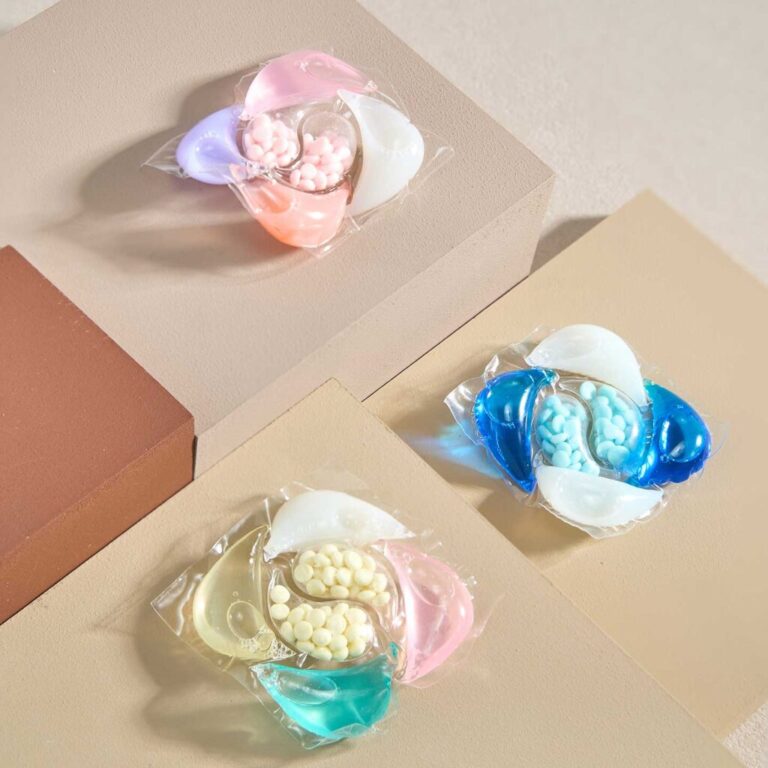
Laundry detergent and fabric softener usually sit next to each other on store shelves. However, they serve distinct purposes. Detergent eliminates dirt, body oils, food stains, and bad smells. Softener, on the other hand, mainly alters how clothes feel and act after a wash. A modern laundry detergent with fabric softener blends cleaning power, pleasant scents, and conditioning within a single formula. Still, this does not make a standalone softener useless for all homes or fabrics. The best option relies on the material type. It also depends on the preferred level of softness, your daily washing habits, and the specific product blend.
Shoppers often face a practical question. Can one bottle make washing easier without hurting cleaning power or fabric health? For brands and sellers, this represents a major market choice. A 2-in-1 detergent needs to balance soil removal, fabric conditioning, pleasant smells, and proper rinsing.
What Is the Difference Between Laundry Detergent and Fabric Softener?
Both items play a role in standard washing routines. Yet, their main jobs cannot replace one another. Understanding their shared traits helps people make better choices. It shows when a blended formula works well. It also highlights when an extra product might still bring benefits.
Laundry Detergent Focuses on Soil Removal
Liquid laundry detergent relies on surfactants. These active agents loosen dirt from cloth threads. Furthermore, enzymes often assist in breaking down tricky stains from proteins, starches, or fats. People can apply liquid detergent directly onto spots before the main wash. Therefore, it stays highly effective for treating food drops, sweat oils, makeup marks, and heavily soiled clothes.
Fabric Softener Changes Fabric Feel
Fabric softener cannot replace detergent. It simply does not wash away daily grime. Instead, its main job is to lower rubbing between threads. It boosts overall softness and cuts down on static cling. Sometimes, it also adds a fresh scent. Users usually add a separate softener during the final rinse cycle. This timing allows the conditioning agents to stick to the cloth surface right after the detergent finishes cleaning.
Can a 2-in-1 Laundry Detergent Do Both Jobs?
A blended product can wash clothes and offer some conditioning at the same time. However, the actual results vary. Success depends on the maker’s skill in mixing the formula. They must balance the cleaning agents with the compounds meant to stay on the cloth.
When a Combined Formula May Be Enough
A 2-in-1 formula works well for normal household washing. It fits perfectly when people want easy pouring, fair softness, and a steady smell without buying a second bottle. This approach proves highly useful for basic shirts, bed sheets, everyday wear, and mixed family loads. Shoppers looking at liquid laundry detergent should check more than just the “with softener” label. They need to test the actual washing power. They should also check the final rinse feel, the smell strength, and the overall effect on standard cloth types.
When Separate Fabric Softener May Still Help
Some people prefer a much softer feel or a very specific scent. In these situations, a standalone softener gives them better control over the poured amount. Other factors also change how soft clothes feel. These include local water hardness, the chosen drying method, the age of the garments, and personal taste. A mixed detergent might lower the need for extra softeners. However, it cannot promise perfect results for every single wash.
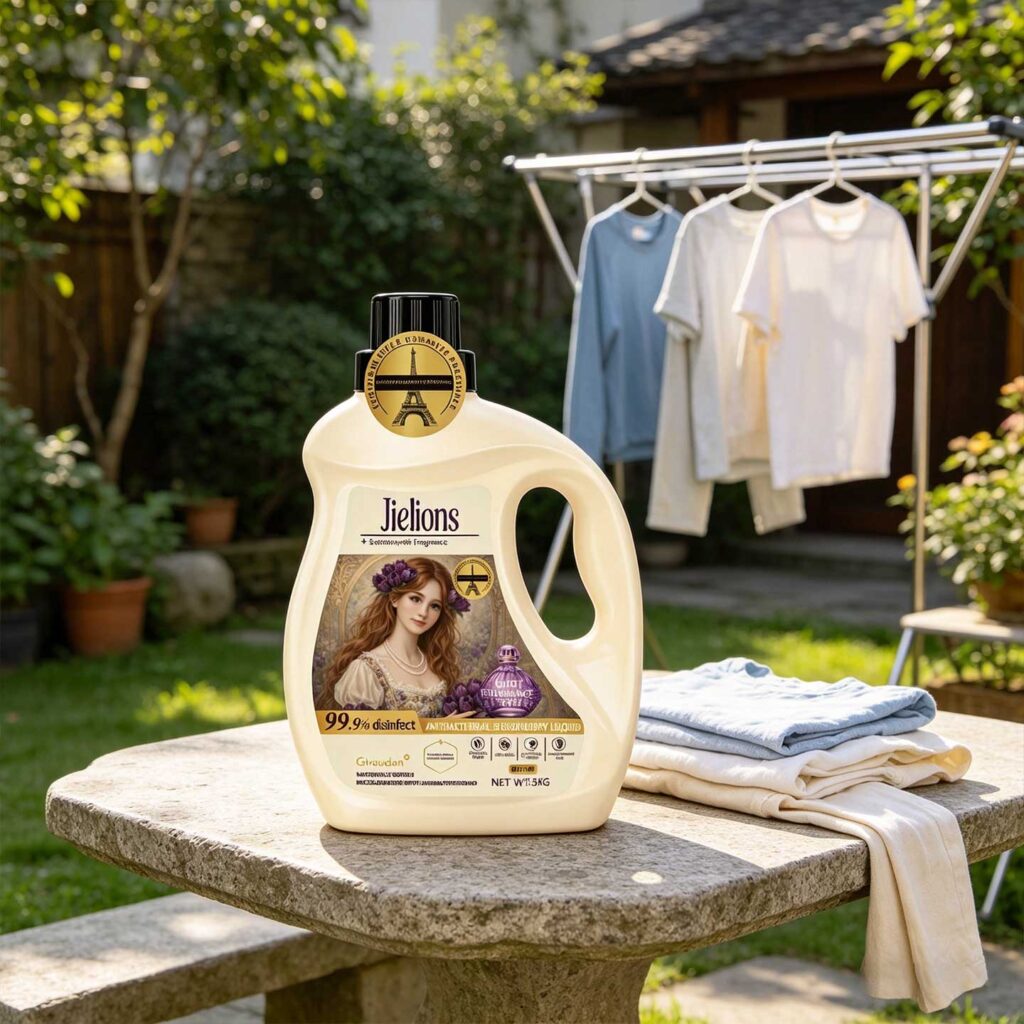
Which Fabrics Need Special Care?
Adding more conditioning agents does not always yield better results. Users should read the care labels first. The purpose of the clothing should also guide this choice. This rule matters most for items that need to absorb water or feature special technical coatings.
Towels and Absorbent Fabrics
Softening elements certainly make towels feel smoother. Yet, using too much over time can ruin their ability to soak up water. Buyers might want to pick a mild 2-in-1 formula. They should avoid pouring too much liquid. Furthermore, they can wash their towels without any extra softeners from time to time.
Sportswear and Performance Textiles
Gym clothes usually feature special moisture-wicking layers. Leftover conditioning chemicals can block this helpful function. They might even lock in bad smells after many workouts. People should always read the clothing tags carefully. They must pick a detergent made for technical gear. They should never assume that extra softness is always a good thing.
What Should Consumers Check Before Replacing Fabric Softener?
Reading the front label alone will not prove if a detergent fits a family’s needs. Running a quick test on a few typical wash loads works much better. This hands-on approach beats judging the item just by its smell or its bottle size.
Users should test the product on normal stains. They must also check the cloth texture after a few washing cycles. It is important to watch out for leftover soap or overpowering smells. This step is vital when using strong, concentrated liquids in high-efficiency washing machines. Always stick to the suggested amount. Pouring too much makes rinsing difficult. It can also leave clothes feeling heavy and coated.
The product format plays a big role too. A detailed look at laundry pods, liquid detergent, and powder detergent reveals a clear trend. Liquids stay popular because they allow easy measuring and quick spot treatments. A family that often scrubs oily spots might favor liquid detergent. They can still use a separate softener for special wash loads when needed.
What Should Private-Label Buyers Evaluate?
B2B buyers need to look at the detergent-plus-softener idea as a fully finished retail item. The chemical mix, the user experience, the box design, and the sales claims must all match. They need to support one clear market goal.
Formula and Performance
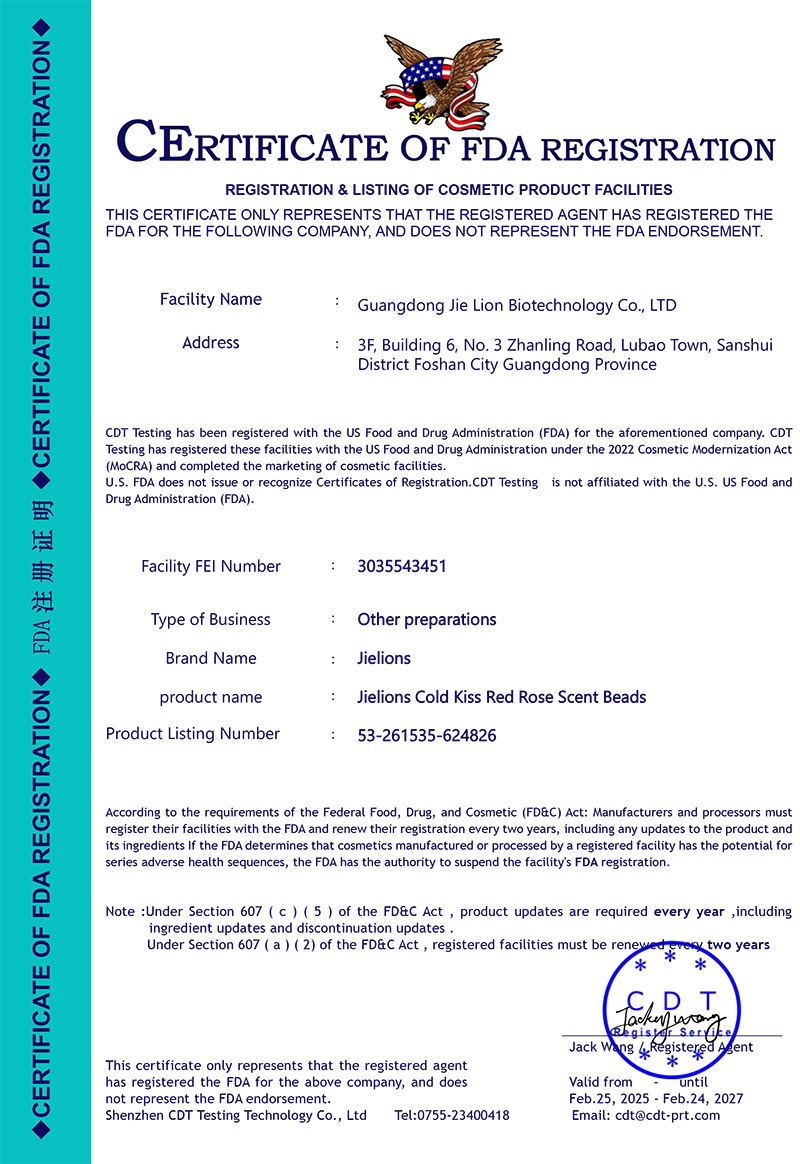
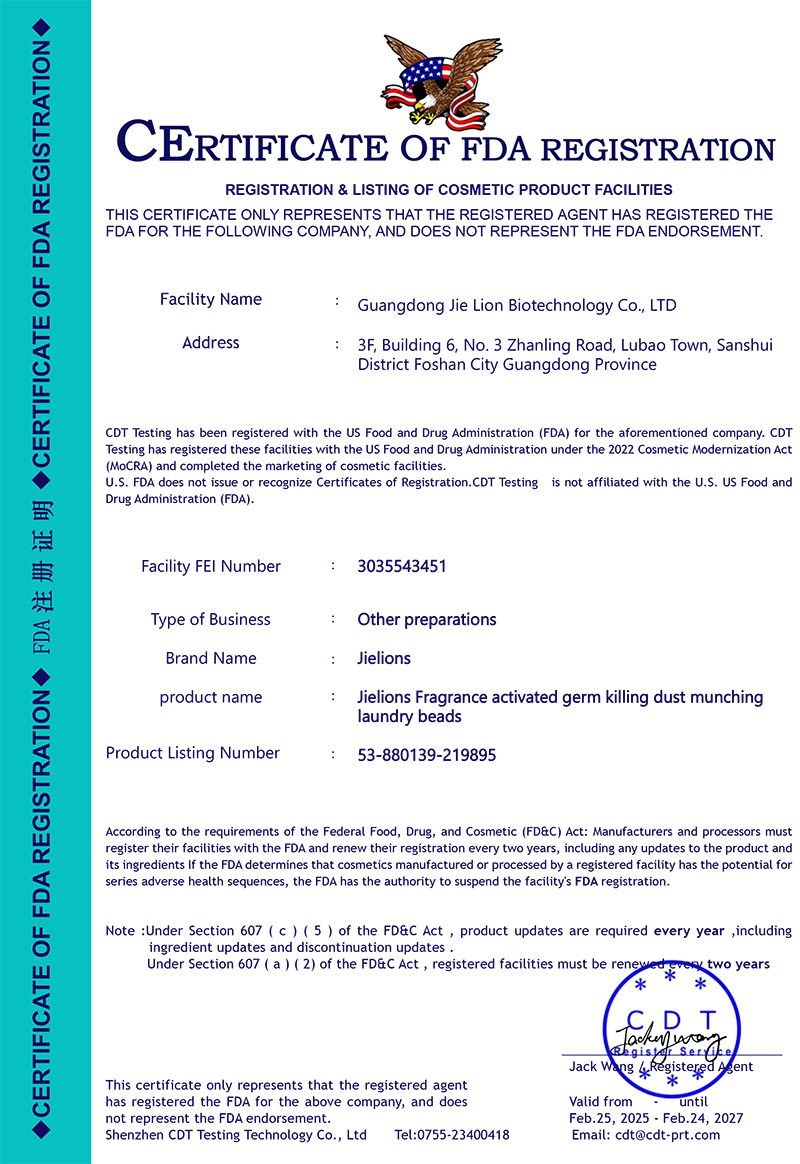
Purchasers must clearly define their goals before asking for samples. They should list the target dirt types, the wanted softness, and the preferred smell strength. They also need to outline machine compatibility and rinsing needs. Testing should check both the washing power and the cloth texture at the suggested dose. Sometimes, brands want to make antibacterial claims or show specific success numbers. If so, they must provide solid proof for the final mix in the target region. A simple safety data sheet or a basic quality certificate does not prove actual cleaning rates.
Packaging and Market Positioning
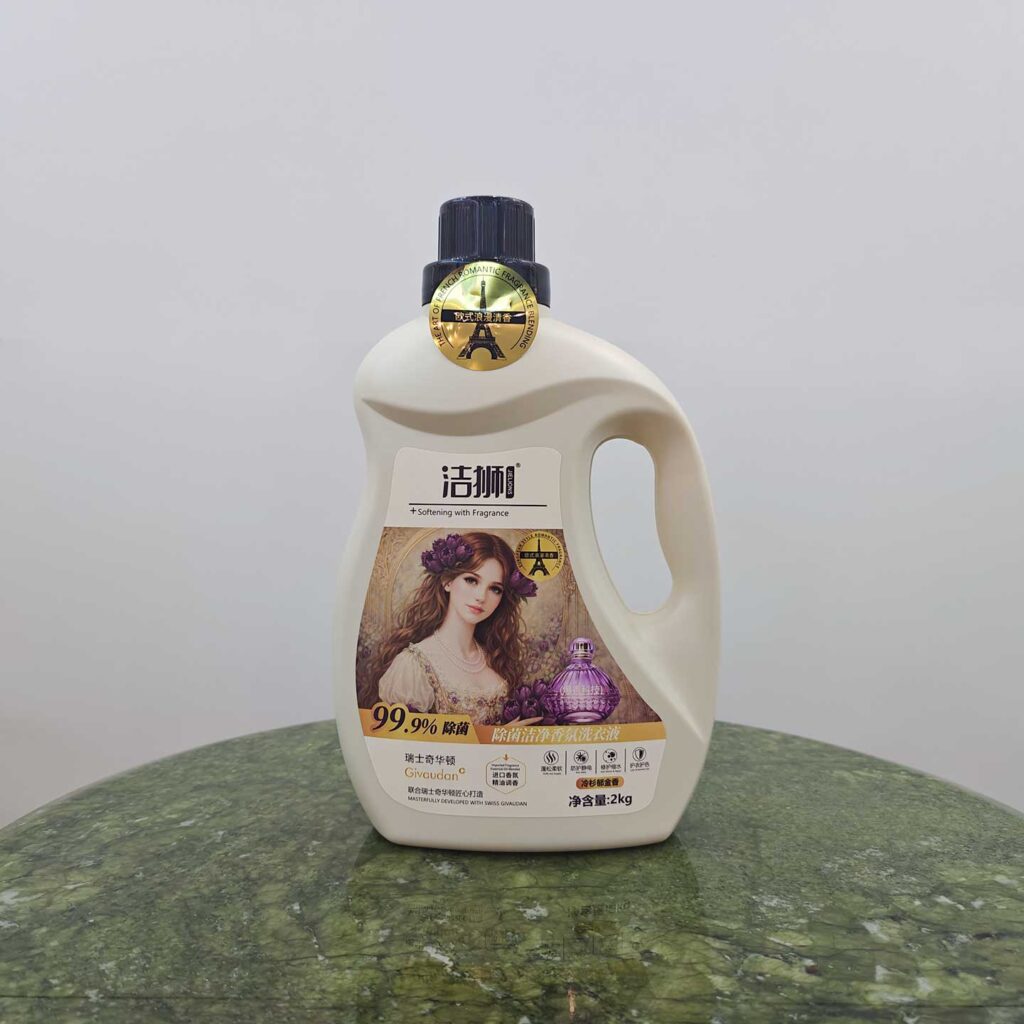
Several factors change the final cost and the customer experience. These include the bottle dimensions, refill options, lid shapes, and total shipping weight. A 2 kg box often fits standard retail stores perfectly. Meanwhile, a 5 kg size works better for big families or wholesale buyers. The outer labels must explain the pouring steps clearly. They should also state if adding extra softener is a choice.
Why Consider Guangdong Jieshi Biotechnology Co., Ltd.?
Guangdong Jieshi Biotechnology Co., Ltd. creates and builds laundry and personal care goods in Foshan, China. Their main washing lineup features a special mix. This blend brings together cleaning agents, softeners, pleasant scents, and active enzymes. Clients can order these items in 2 kg and 5 kg sizes. They can also change the smells, colors, and outer boxes to fit their needs. The firm actively backs OEM/ODM development projects. This service covers recipe tweaks, sample making, box design, mass creation, and strict quality checks. Still, buyers must review the final details carefully. They need to check all testing papers and local sales claims before starting their market launch.
Conclusion
A good laundry detergent can lower or completely remove the need for extra softeners. This happens when the liquid already holds enough conditioning agents and the clothes do not need special care. However, a pure softener can never replace actual soap. Also, a mixed item will not give the exact same results for every cloth type or personal taste. Shoppers need to look at the whole picture. They should check the washing power, the softness, the water soaking ability, the smell, and the rinse quality all at once. Private-label buyers must test both the cleaning and softening traits thoroughly. After that, they should print honest and helpful usage tips on the outer boxes.
FAQs
Can I use fabric softener with a 2-in-1 laundry detergent?
Yes, you certainly can. However, you might not need it for every single wash. Try using just the detergent first and check the final outcome. If you still want more softness or a stronger smell, you can add it. Just make sure to read both labels closely. Always avoid pouring too much liquid into the machine.
Is laundry detergent with fabric softener suitable for towels?
Yes, it works fine in most cases. This is especially true if the softening power stays mild. Yet, using too many conditioning chemicals can hurt the fabric over time. It might stop the towels from soaking up water after many washes. Therefore, always use the suggested amount. You should also think about washing your towels without any added softeners when drying power matters most.
What should buyers test in a private-label 2-in-1 detergent?
Business buyers must check several key factors. They need to test spot removal, fabric softness, and how long the smell lasts. They should also look at rinsing ease, liquid stability, and machine safety. Checking the box quality and the overall results at the suggested dose is also crucial. Finally, any antibacterial or special performance claims require strong proof. This evidence must match the exact final formula sold in stores.