Hard water often turns a normal dishwasher cycle into a frustrating experience. Glasses might appear hazy. Plates might show a thin, white film. Also, tough mineral scale can build up inside the machine. This problem is very important for brands and distributors. They serve areas with mineral-rich water. A good dishwasher pod can help control spots and leftover dirt. However, the formula design and proper dosing must work together. Machine settings and local water hardness play a big role, too. This guide explains how you should evaluate dishwasher pods for hard water. It also shows how users can get much better washing results.
What Problems Does Hard Water Cause in a Dishwasher?
Hard water holds high amounts of dissolved calcium and magnesium. These extra minerals are mostly a water-quality issue. They do not usually cause health problems. Still, they can ruin cleaning results. They also make appliance maintenance much harder. Water droplets eventually dry up during the cycle. When this happens, minerals stay behind on your dishes. They also stick to the internal walls. Detergent can react with these minerals. This reaction makes the final rinse less effective.
Why Do Glasses Develop Spots or a Cloudy Film?
Ugly spots usually form when mineral-rich drops dry on your glassware. A hazy layer can also trap mineral deposits. It might hold leftover detergent or tiny food particles. The look of the glass alone does not tell you the exact cause. You might see the film fade after a proper descaling wash. In that case, water hardness is likely the main reason. Sometimes, the cloudy look stays. If it remains, you might be dealing with permanent glass etching. Incorrect detergent dosing is another possible reason. Always read the dishwasher and glassware manuals first. Do this before you try any strong acidic cleaner.
Where Does Limescale Accumulate Inside the Machine?
Thick scale can grow on heating elements and filters. It also blocks spray-arm holes, rubber seals, and interior walls. These hard deposits can slow down water flow. They also stop the detergent from spreading well. You must still clean the filter regularly. Basic machine care is always necessary, even when you use a special hard-water detergent. A single pod cannot fix extreme water hardness all on its own.
How Can Dishwasher Pods Help in Hard Water?
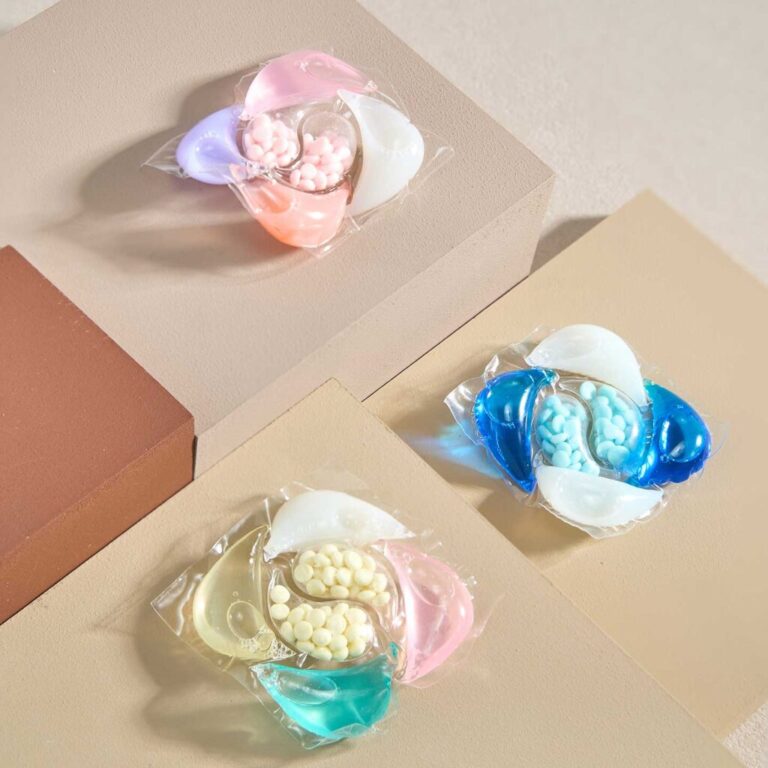
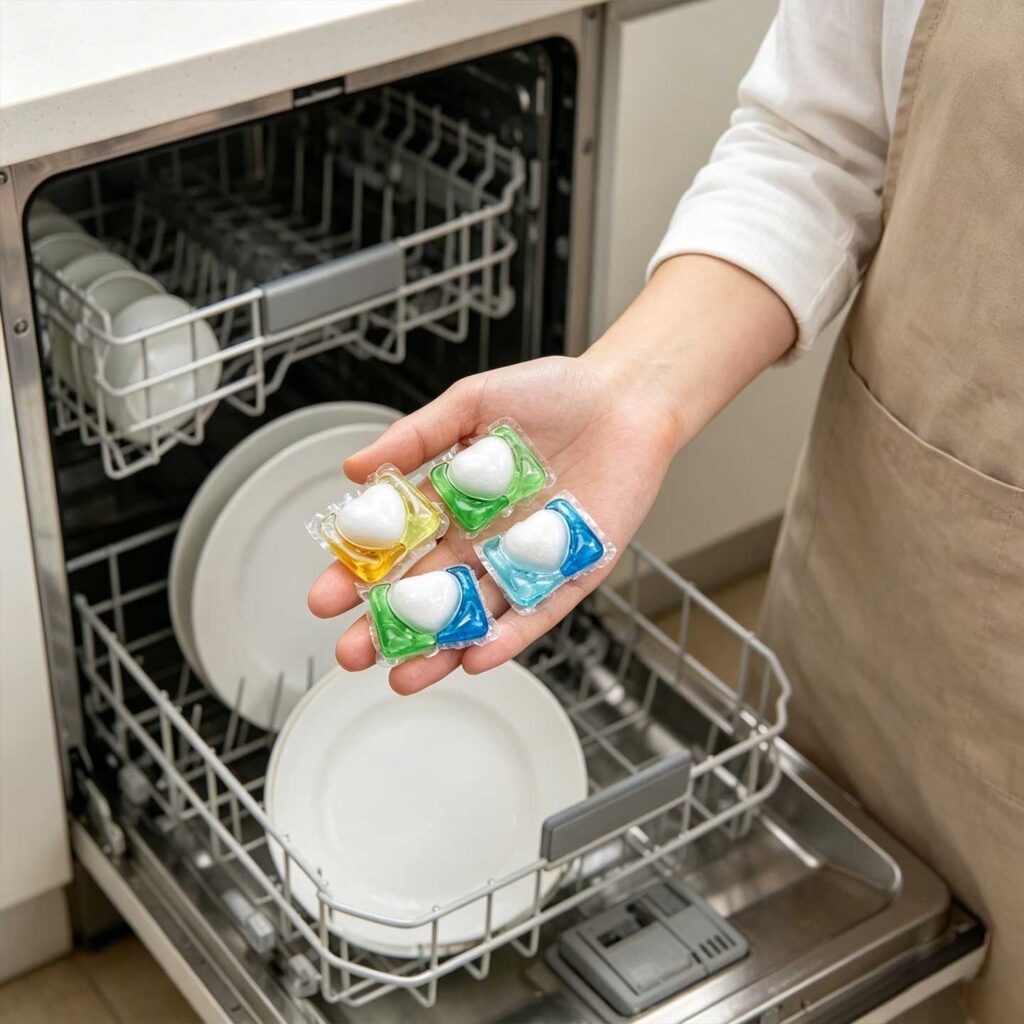
A well-made unit-dose formula mixes strong cleaning ingredients with helpful mineral-control agents. These parts work together to improve rinsing and drying. Buyers should look closely at the entire formula. Do not just judge a pod by its bright color or the number of small chambers. Front-of-pack marketing claims are not enough. Actual performance must be tested carefully. You need to check it in the specific water conditions of your target market. You must also test it using common dishwasher programs.
What Do Water-Softening Components Do?
Builders and special chelating agents can block the bad effects of calcium and magnesium. They do this actively during the main wash. Some products talk about built-in salt functions. However, buyers need to understand the difference. Ingredients inside a pod are not the same as pure dishwasher salt. That special salt goes into a separate machine reservoir. The appliance manual will tell you if extra dishwasher salt is necessary. You must never put a detergent pod inside the salt tank. Also, regular table salt is never a safe replacement for real dishwasher salt.
How Does Rinse Aid Reduce Water Spots?
Rinse-aid chemicals help water spread out smoothly. They allow water to slide off dish surfaces quickly. This prevents the water from sitting there as separate drops. Faster and more even draining cuts down on ugly spots. It also helps the dishes dry much better. Sometimes, the local water is extremely hard. In these tough cases, an all-in-one pod might still need extra help. You may have to fill the machine’s own rinse-aid dispenser. Users should always check their appliance settings first. Read the product directions carefully. Do not just throw in more pods to fix the problem.
Why Must Cleaning and Drying Be Balanced?
Good hard-water performance needs more than just simple mineral control. Thick grease, sticky starch, and dried food must be broken down first. The formula must lift them up so they can wash away easily. The Jieshi Dishwashing Beads product combines strong cleaning ingredients with a helpful rinse aid. It also includes a specialized salt function. You must prove it fits a specific market well. Do this through strict finished-product testing. Use standard food soils and match the local water hardness. Test it across different dishwasher models and normal cycle temperatures.
How Should Consumers Use Dishwasher Pods in Hard Water?
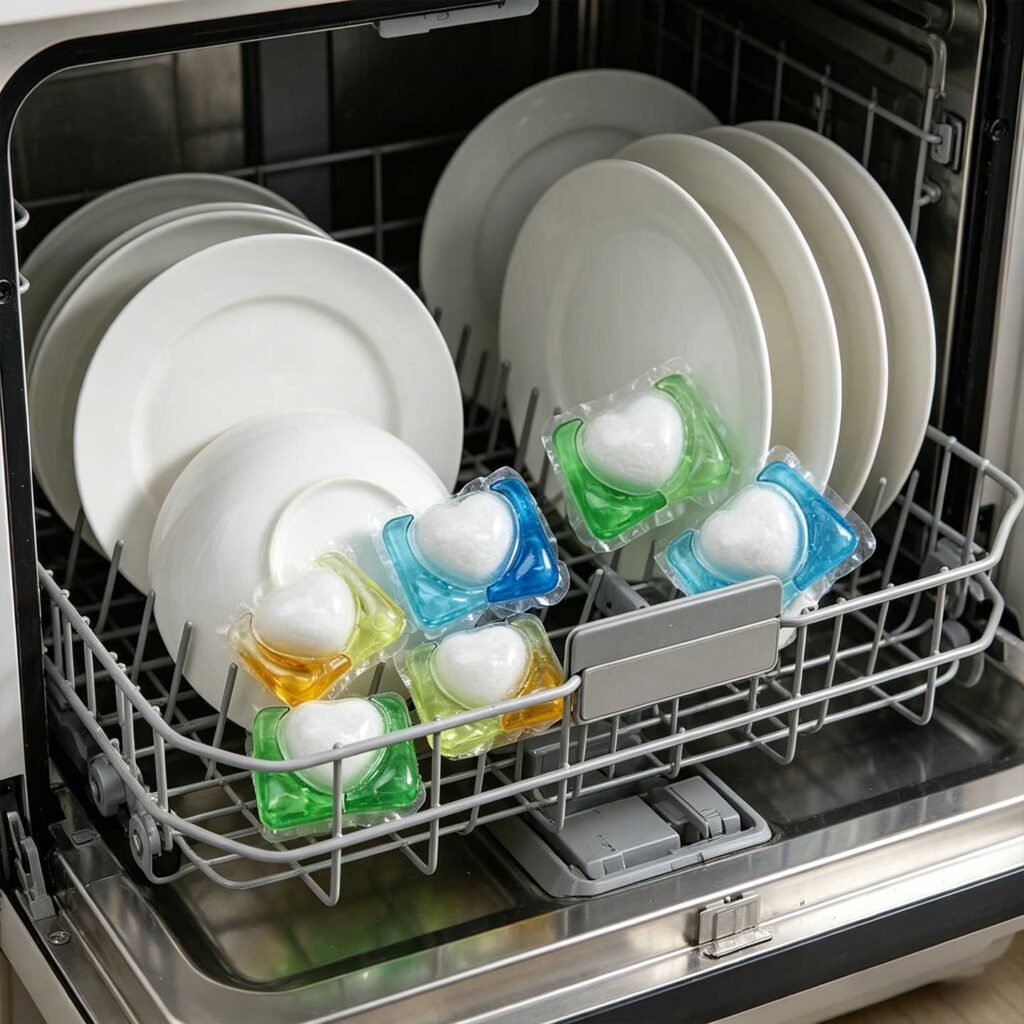
Using the product correctly is just as vital as picking the right brand. Bad loading habits can ruin a wash. A blocked spray arm or a filthy filter will cause problems. Choosing the wrong wash program can leave a messy residue behind. This happens even if the detergent formula is perfect. Users should always start by reading the dishwasher manual. They should also follow the directions printed on the retail package.
Should You Add More Than One Pod?
Adding more detergent does not mean your dishes will get cleaner. Too much product can actually leave a soapy film. It raises the cost of every wash. It also makes finding the real problem much harder. You should stick to the recommended dose. Pick a wash cycle that truly fits your current load. Sometimes, the washing results stay poor. If so, check the local water hardness and your rinse-aid level. Look at the salt setting if your machine has one. Make sure the spray arm spins freely. Inspect the filter condition and the incoming water temperature. Finally, look at how you arrange the dishes before you decide to add more soap.
How Can You Reduce Film and Scale?
Always scrape off big food chunks before loading. However, do not pack the items too closely together. If you do, the water cannot reach every surface. Make sure the spray holes and filters stay perfectly clear. Refill the special rinse-aid or salt tanks whenever the machine asks for them. Use a regular machine-cleaning routine that the manufacturer recommends. Some areas suffer from extremely hard water. In these places, a whole-house water softener is very helpful. A built-in dishwasher softening system is another great option. These physical systems offer better control than just changing your detergent.
What Should B2B Buyers Test Before Sourcing Hard-Water Pods?
A bold brand claim like “for hard water” must link directly to strict test conditions. Importers and wholesalers need clear rules. Private-label owners also require a detailed specification. This document must connect the water chemistry with true cleaning power. It must also cover the packaging and the target price point. The main goal is steady, repeatable performance across all production batches. A single lucky result from one perfect test is never enough.
Which Performance Tests Matter?
You must test the product at multiple realistic hardness levels. Always record the exact mineral concentration. Note the machine type, wash cycle, and water temperature. Document the load pattern and the specific food soils used. Check how well the pod removes heavy grease and baked-on food. Look for any white film or annoying spots on the glass. Evaluate the drying speed, the final smell, and how fast the pod dissolves. Make sure no soapy residue stays in the dispenser. Running multiple cycles in a row is very smart. This method can uncover hidden scale or film that one single wash might miss. All marketing claims must match the actual tested formula. They must also follow the strict labeling rules of each target country.
What Should Be Confirmed Before Packaging Approval?
You need to confirm the exact unit weight first. Check the melting speed of the water-soluble film. Test the moisture resistance, the smell, and the pod color. Verify the total pack count and all child-safety features. Review the label directions and the required storage conditions. The wider dishwashing beads category helps buyers easily compare different available styles. Meanwhile, the approved physical sample and the written rules must guide the mass production. Good packaging is absolutely critical. It must protect the sensitive water-soluble pods from damp air. This protection is needed during warehouse storage and long sea freight. It is also vital for retail store displays and daily consumer use.
How Can a Private-Label Brief Prevent Rework?
You should clearly name the target country first. State the normal water hardness range there. Note how many homes actually own dishwashers. List the most common cycle temperatures. Write down your desired marketing claims and your target cost per wash. Decide on the final retail pack style before you ask for any samples. During the OEM/ODM development phase, you must request specific formula trials. Ask for packaging samples that truly match these local conditions. A highly detailed brief makes comparing price quotes much more accurate. It also prevents annoying late changes to the box artwork. It secures the dosage instructions and the final performance claims early on.
Why Work With Guangdong Jieshi Biotechnology Co., Ltd.?
Guangdong Jieshi Biotechnology Co., Ltd. makes laundry and household-cleaning goods in Foshan, China. The factory strongly supports OEM and ODM development. For a new dishwasher-pod project, buyers can easily discuss the main formula direction. They can pick the fragrance, the color, and the water-soluble film style. They can also plan the packaging and meet specific target-market rules. The company uses a clear, step-by-step process. This covers early demand confirmation, custom formulation, and quick prototyping. It includes strict testing, mass production, and careful quality inspection. They also handle logistics and offer reliable after-sales support. Buyers must still approve the exact written specification. They need to validate the finished product for their own market before the big commercial launch.
Conclusion
Dishwasher pods designed for hard water can easily fix common washing problems. This happens when their cleaning, mineral-control, rinsing, and drying parts are perfectly balanced. Great results also rely on correct dosing and clear water paths inside the machine. You need a clean filter and the right appliance settings. Proper machine maintenance is very important. Consumers should always find the real cause of the spots before they just add more soap. B2B buyers must test the exact pod in realistic hard-water setups. They need to back up every single claim with solid, recorded proof. This careful method leads to much clearer glassware. It lowers the risk of customer complaints. It also builds a much more trusted private-label product.
FAQs
Do dishwasher pods remove all hard-water stains?
No single pod can promise perfect stain removal in every possible water condition. A well-made formula will usually reduce ugly spots and white film. However, extreme water hardness might require extra steps. You might need a liquid rinse aid. You may have to add dishwasher salt if your machine allows it. Routine descaling or a full home water treatment system could be necessary.
Do I still need rinse aid with all-in-one dishwasher pods?
This choice depends heavily on your local water hardness. It also depends on the pod formula and your specific dishwasher model. Sometimes, the drying is slow or the spotting is still bad. If so, check your appliance manual carefully. You should think about using the machine’s dedicated rinse-aid dispenser. Set it to the level that the manufacturer recommends.
Can dishwasher pods be placed at the bottom of the machine?
You should always use the main detergent dispenser. Do this unless the appliance manual or the pod box clearly says otherwise. The built-in dispenser is important. It drops the detergent at the exact right moment during the wash cycle.